Author calls for federal tax revolt to protest Trump administration policies
A movement rooted in civil disobedience is advocating for tax resistance to protest the lack of congressional authorization for military actions in Iran. Proponents argue that withholding funds is a way to avoid supporting a conflict they deem morally reprehensible.

As the Trump administration navigates a volatile, months-long conflict with Iran, a growing segment of the American public is weighing whether to withhold federal income taxes as a form of protest against the administration’s foreign policy and the ongoing war. This movement, rooted in the philosophy of civil disobedience, has gained visibility as domestic frustration mounts over the lack of congressional authorization for the conflict and the potential for a renewed, expanded war.
The calls for a tax revolt center on the moral objection to funding an military campaign that critics describe as both illegal and deeply unpopular. Proponents of the protest argue that taxpayers, by allowing the automatic withholding of income taxes, are providing the essential financial fuel for a conflict that has bypassed traditional legislative oversight. As noted by advocates, the strategy echoes the historical approach of Henry David Thoreau, who argued that citizens should not "lend" themselves to government actions they deem morally reprehensible.
Related media
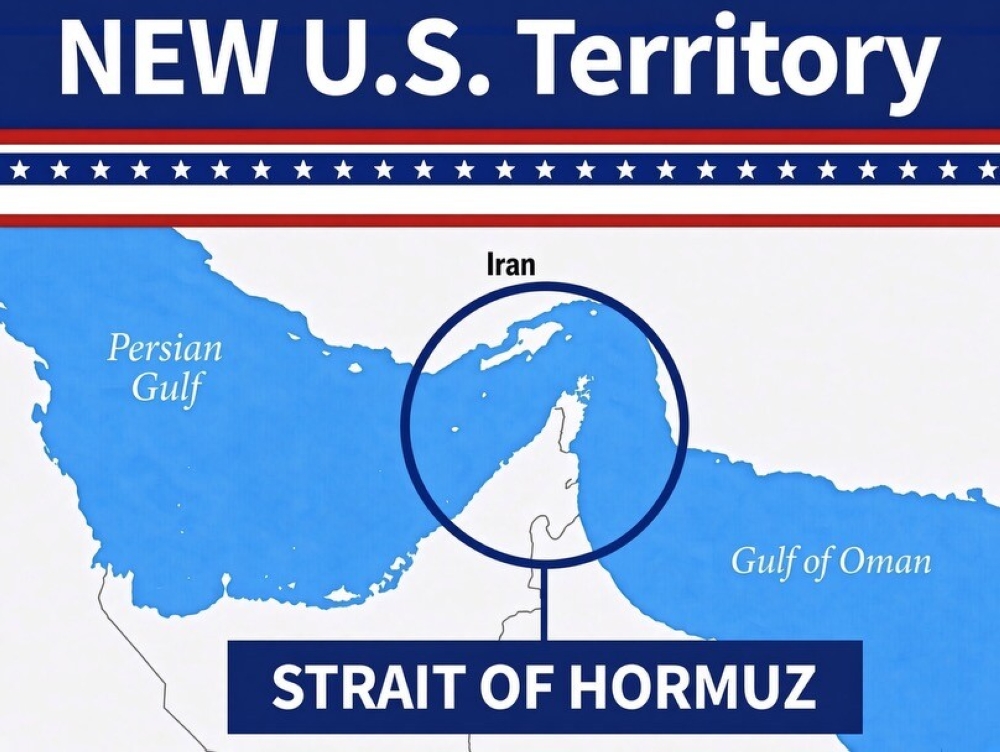
Currently, the administration finds itself at a delicate crossroads. While President Trump has publicly signaled that the temporary ceasefire agreed upon in mid-June is "over," his diplomatic team — including Vice President JD Vance, special envoy Steve Witkoff, and advisor Jared Kushner — continues to engage in indirect, Qatar-mediated negotiations with Iranian officials. These talks are aimed at securing a broader memorandum of understanding that would address the status of the Strait of Hormuz and Iran's nuclear program before the August 18 deadline.
The Diplomatic and Military Standoff
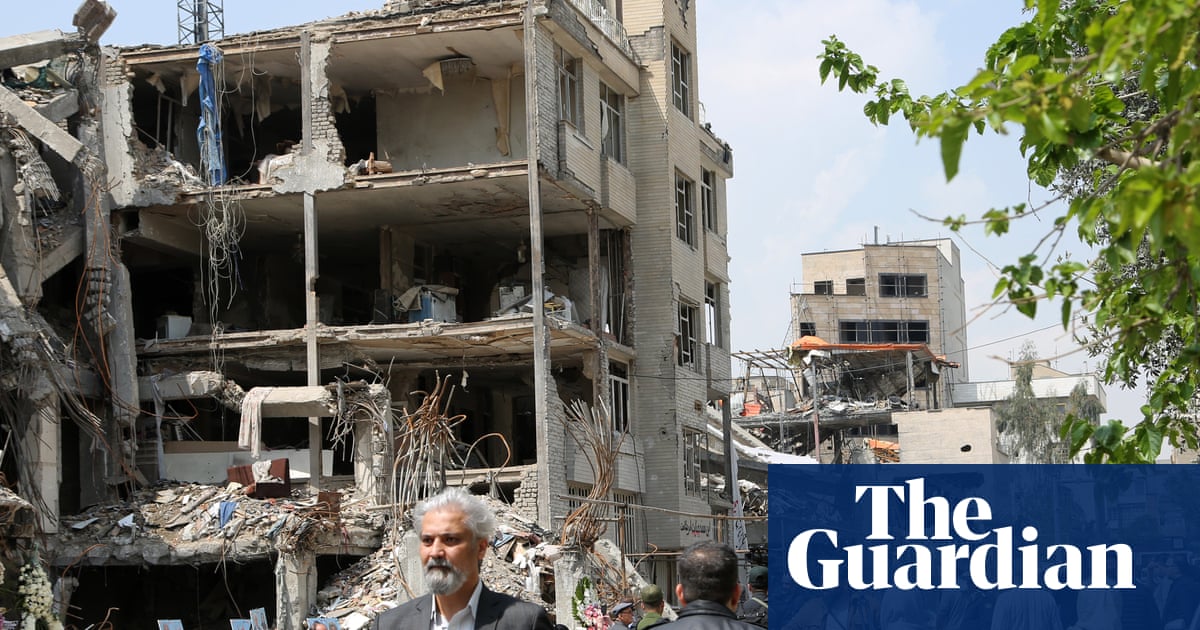
The situation in the Strait of Hormuz remains the primary flashpoint. After Iranian forces fired on commercial vessels, acts that Iranian officials later characterized privately as the work of an "errant" sect of hardliners, the U.S. Launched an extensive series of strikes. CENTCOM reported hitting 90 targets, including military headquarters and infrastructure, while other reports indicated strikes damaged fishing piers and rail lines. Despite this, the administration has, for the moment, opted to maintain a path of diplomacy rather than launching a full-scale, shock-and-awe invasion.
Disagreements persist, however. While the U.S. Insists that the vital waterway remain free of tolls, Iran continues to assert its right to control navigation and collect fees. This impasse has left the global energy market on edge, with gasoline prices and fuel supplies fluctuating as international shipping lines navigate the heightened risks.
Legislative and Legal Questions
Legal experts offer differing views on the risks involved for potential tax resisters. While Thoreau’s historic refusal to pay taxes led to his brief incarceration, modern tax resistance movements report that actual prison time for such protests remains rare. Nevertheless, the Internal Revenue Service requires quarterly estimated tax payments from those who eliminate withholding, and failure to comply can lead to significant financial penalties.
What to Watch Next
- August 18: The current deadline for the Memorandum of Understanding. If no deal is reached, President Trump has indicated the administration will consider returning to full-scale military action.
- Economic Indicators: Continued monitoring of the Strait of Hormuz is essential, as the volume of shipping traffic remains a key metric for whether the ceasefire is effectively holding or collapsing.
As the administration weighs its options, the tension between the push for a decisive military conclusion and the commitment to a fragile diplomatic process remains the defining characteristic of the conflict. For the time being, the government is proceeding with what Secretary of Defense Pete Hegseth described as a policy of "wait and see," while critics and taxpayers alike are deciding how, or if, to continue their support for the ongoing effort.
Archypedia is dedicated to independent, evidence-backed reporting. This briefing was synthesized from primary source reporting, corroborated across independent newsrooms, and verified against our Editorial Standards.
Transparency record
Evidence behind this report
This report synthesizes 7 distinct sources. Open the source ledger below to compare the underlying coverage.
Prepared under the Archypedia Editorial Policy by the Mara Ionescu editorial desk profile. AI-assisted tools may support drafting and verification; public accountability remains with Archypedia. Report an error.