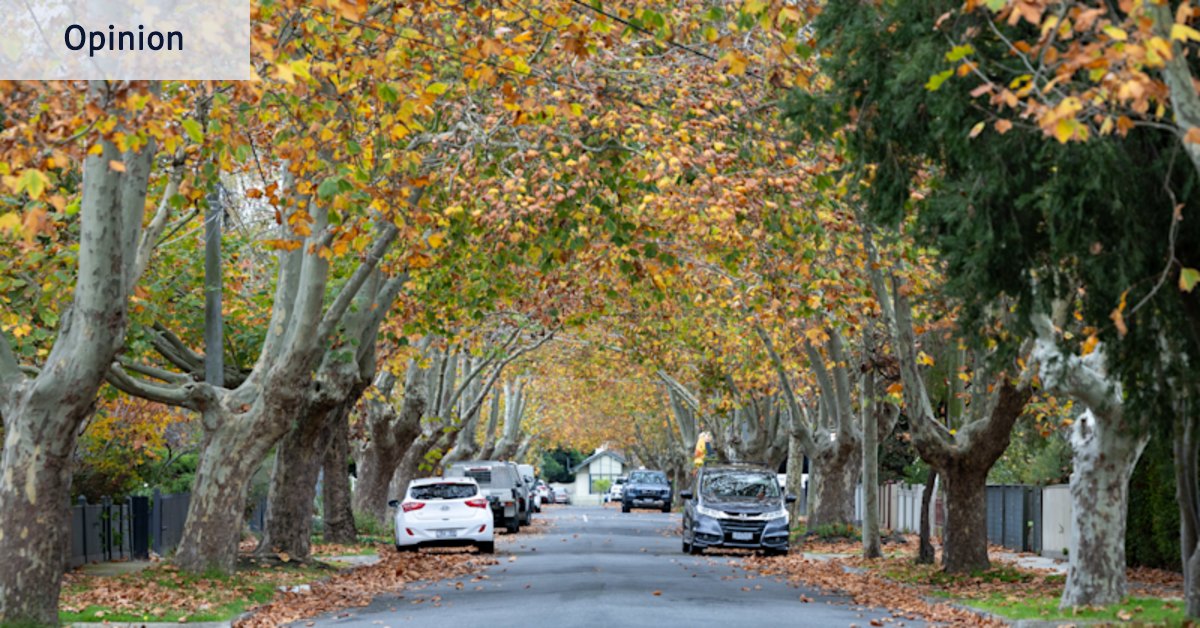
My Suburb’s Green Haven: Overcoming Challenges to Create a Vibrant Urban Retreat
For many residents, the concept of an urban oasis is a rare and cherished ideal. Yet, in a neighborhood often overshadowed by its reputation, a quiet transformation has taken root. Once plagued by a lingering, unpleasant odor and the presence of a local motorcycle group, this community has emerged as a model of resilience and innovation. The story of how this suburb overcame its challenges offers valuable insights into the delicate balance between urban development, public health, and community engagement.
The Unlikely Transformation of a Urban Space
What began as a local complaint about a persistent, rotting cabbage smell has evolved into a broader narrative about environmental stewardship and civic pride. The issue first came to light when residents reported an unusual, pungent odor emanating from a nearby industrial zone. Initially dismissed as a minor inconvenience, the problem escalated over time, affecting air quality and dampening the neighborhood’s appeal. Meanwhile, the presence of a motorcycle club, often associated with noise and occasional disturbances, added another layer of complexity to the community’s identity.
However, what could have been a source of division instead became a catalyst for collective action. Local authorities, community leaders, and residents collaborated to identify the root causes of the odor and implement long-term solutions. The result? A renewed focus on sustainability, improved infrastructure, and a stronger sense of community cohesion.
The Science Behind the Smell: A Hidden Environmental Challenge
The rotting cabbage smell was traced to an aging waste management system in a nearby processing facility. Over time, organic waste had begun to decompose improperly, releasing volatile compounds that permeated the surrounding area. While not a direct health hazard, the odor significantly impacted the quality of life for nearby residents, particularly those with respiratory sensitivities.
Experts from the local environmental department conducted a series of tests, revealing that the issue stemmed from a combination of inadequate ventilation and outdated waste segregation practices. Addressing this required a multi-pronged approach, including upgrading the facility’s infrastructure, introducing stricter waste management protocols, and engaging with the community to ensure transparency and accountability.
Community-Led Solutions: From Complaints to Collaboration
The success of the cleanup effort hinged on the active participation of residents. A neighborhood association was formed to coordinate efforts, with members acting as liaisons between the community and local government. Regular town halls provided a platform for residents to voice concerns, while volunteer initiatives focused on planting native vegetation to absorb pollutants and enhance the area’s aesthetic appeal.
One particularly impactful project involved the creation of a community garden. Not only did this initiative help mitigate the odor by improving soil health, but it also fostered a sense of shared ownership among residents. As one participant explained, “It’s not just about fixing a problem—it’s about building something that benefits everyone.”
Navigating the Presence of Motorcycle Clubs: Balancing Identity and Harmony
While the odor issue dominated headlines, the suburb’s relationship with its motorcycle club community remained a topic of discussion. Known for their strong presence and occasional clashes with local authorities, the group initially faced criticism for contributing to noise pollution and public safety concerns. However, over time, a more nuanced understanding of their role emerged.
Local leaders recognized that the motorcycle club had deep roots in the community, with many members having lived in the area for decades. Rather than viewing them as a threat, some residents began to see them as part of the suburb’s unique character. This shift in perspective led to constructive dialogue, with the club agreeing to adopt noise-reduction measures and participate in community events.
“It’s about finding common ground,” said a local council member. “We don’t have to eliminate everything that makes a place unique—we just need to ensure it aligns with the needs of all residents.”
Broader Implications for Urban Development
The suburb’s experience offers lessons for other communities grappling with similar challenges. From the importance of proactive environmental management to the value of inclusive policymaking, the case highlights how urban spaces can thrive when residents, authorities, and stakeholders work together.
Experts in urban planning note that the suburb’s approach could serve as a blueprint for addressing complex issues in densely populated areas. “This isn’t just about solving a smell or a noise complaint,” said Dr. Emily Carter, a researcher at the Urban Sustainability Institute. “It’s about creating systems that are resilient, adaptable, and responsive to the needs of all community members.”
What’s Next for the Suburb?
With the immediate environmental concerns addressed, the community is now turning its attention to long-term sustainability. Plans are underway to expand the community garden, introduce renewable energy sources, and enhance public transportation options. These initiatives aim to further reduce the suburb’s environmental footprint while improving accessibility and connectivity.
At the same time, the suburb continues to navigate the delicate balance between preserving its identity and fostering inclusivity. Ongoing dialogue between residents, local businesses, and community organizations will be critical in ensuring that growth does not come at the expense of the area’s unique character.
Key Takeaways: A Model for Urban Resilience
- Proactive Problem-Solving: Early identification and collaborative resolution of environmental issues can prevent long-term harm to public health and quality of life.
- Community Engagement: Involving residents in decision-making processes fosters trust, ensures diverse perspectives are considered, and strengthens social cohesion.
- Adaptive Governance:
