The Dutch electricity grid is facing a critical strain as a 50% surge in connection requests overwhelms local networks, leaving thousands of households in limbo and threatening new housing developments. The crisis highlights a growing mismatch between rising demand for renewable energy infrastructure and the pace of grid expansion, with economic and practical consequences for consumers and developers alike.
Key Points
- Electricity connection requests have risen 50% year-over-year, driven by electrification trends and solar adoption.
- Over 7,300 households in Flevoland face wait times of up to three years for grid capacity.
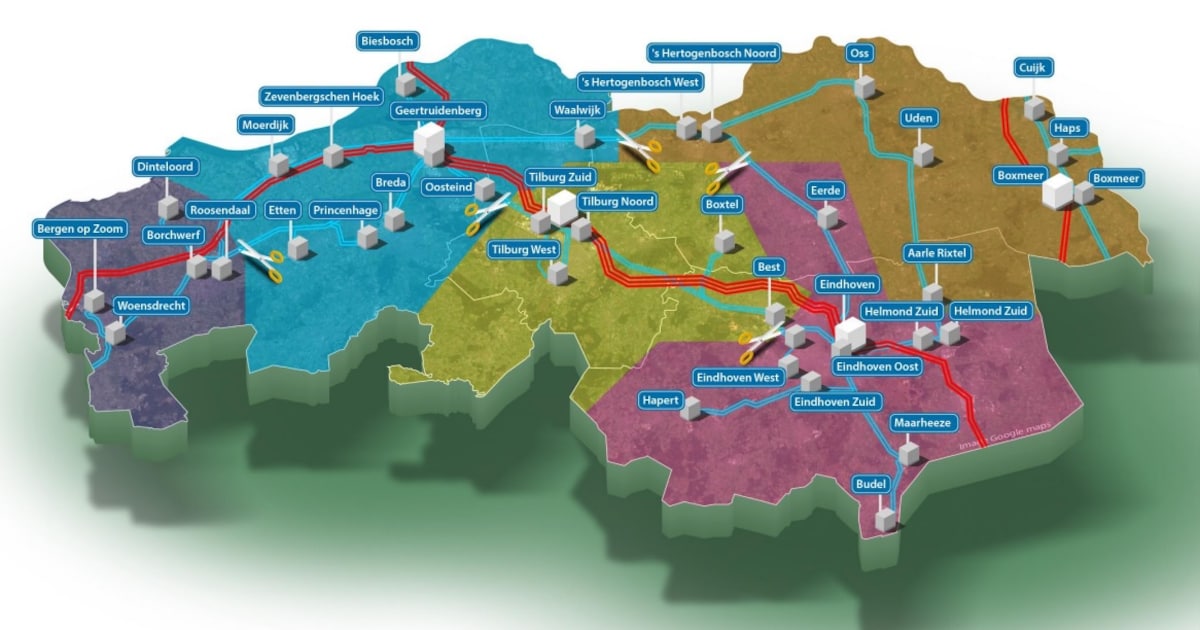
- Regional grid operators warn that capacity limits will be reached by July 1, delaying hundreds of new housing projects near Tilburg.
- Industry experts warn prolonged delays could increase costs for homeowners and slow the transition to clean energy.
Local media reports reveal a stark reality for Dutch households and developers: the country’s electricity grid is struggling to keep pace with the rapid shift toward electric vehicles, solar panels, and heat pumps. Netbeheerder Liander, which manages infrastructure in Flevoland, has confirmed that 7,300 customers are currently on hold for new connections, with some facing wait times exceeding three years. This backlog has sparked concerns about the feasibility of upcoming housing projects, particularly in regions like North Brabant, where developers anticipate delays due to grid constraints.

The crisis stems from a combination of factors. While renewable energy adoption has surged—driven by government incentives and climate goals—the underlying grid infrastructure has not expanded at the same rate. Regulatory timelines for upgrades often lag behind demand, creating bottlenecks that ripple through the economy. For homeowners, extended wait times mean higher upfront costs, as temporary energy solutions like diesel generators become necessary during construction. For developers, the uncertainty complicates planning, potentially leading to delayed completions and increased project expenses.
Regional grid operators have warned of an impending capacity crunch. A July 1 deadline for new connections in certain areas has intensified pressure on networks already operating near maximum capacity. In Tilburg, for example, hundreds of planned residential units now face uncertain timelines, with some projects at risk of being shelved. “The system is operating at full tilt,” one industry analyst noted. “Without urgent investment, we’ll see more disruptions in both housing and energy markets.”
The situation underscores broader challenges in balancing infrastructure development with decarbonization goals. While the Netherlands aims to phase out fossil fuels by 2040, the current grid limitations highlight the need for faster modernization. Experts suggest that public-private partnerships and targeted subsidies for grid upgrades could alleviate the crisis, but such measures remain in early discussion stages.
