
Mercedes-Benz has entered the defense sector through a collaboration with Tytan, leveraging its Sprinter and Classe G models as platforms for anti-drone systems, according to company statements. The initiative, disclosed in recent reports, marks a strategic shift for the automaker into military technology, with production oversight by a startup, ERC, as part of a broader agreement with Rheinmetall, a German defense company.
Technical Details of the Anti-Drone System
The anti-drone system integrates advanced detection and neutralization technologies, designed to protect critical infrastructure and military assets from unauthorized drone activity. Mercedes-Benz’s Sprinter van and Classe G SUV serve as mobile platforms, equipped with specialized hardware to deploy counter-drone measures. The partnership with ERC, a firm specializing in heavy-load drones, underscores the need for robust, adaptable solutions in modern defense applications.
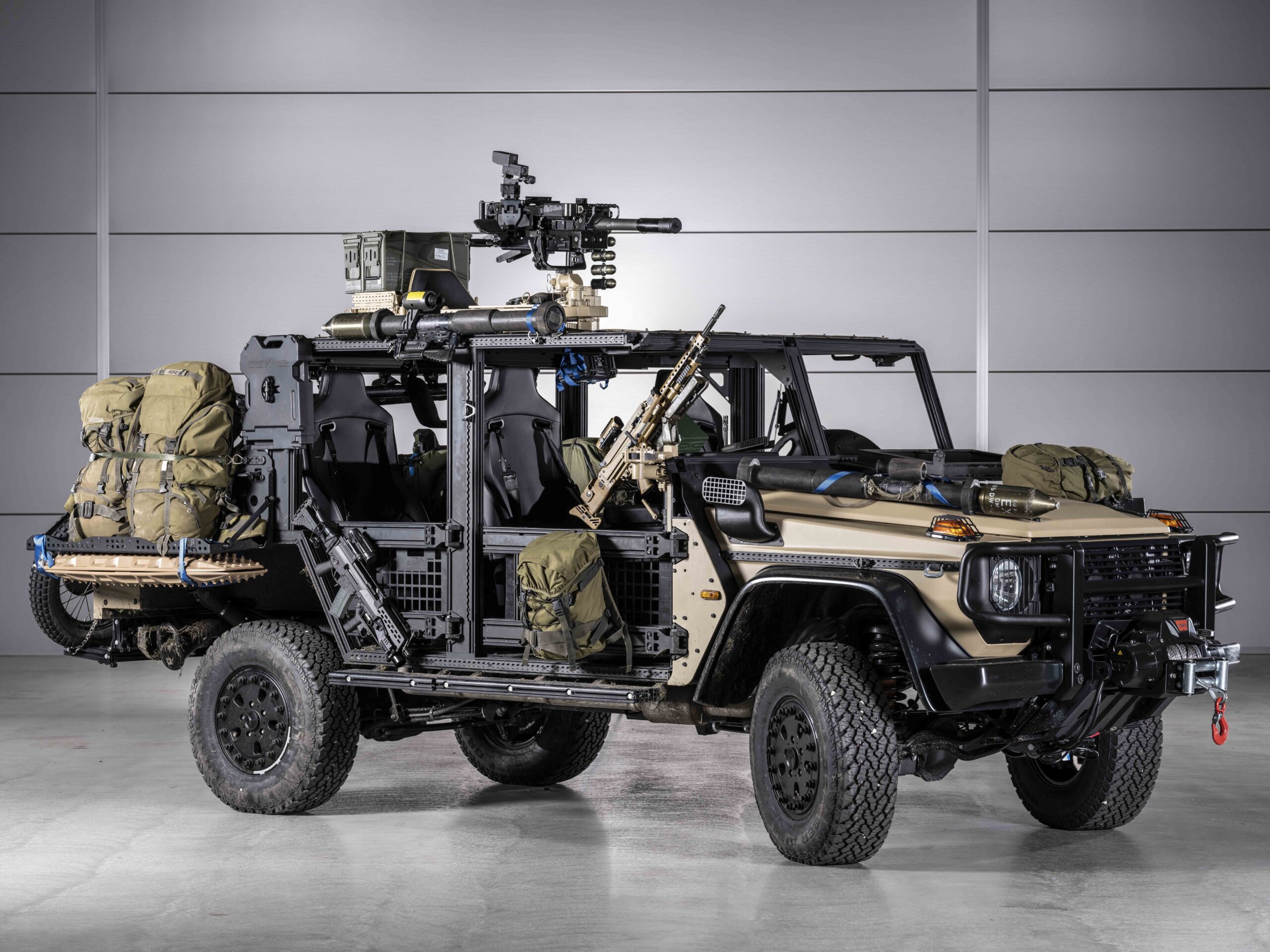
Rheinmetall, a leading defense contractor, confirmed its role in coordinating the project, though specific technical specifications remain under development. The collaboration aims to combine Mercedes-Benz’s vehicle engineering expertise with Rheinmetall’s defense systems and ERC’s drone technology to create a scalable anti-drone solution.
Market Implications and Strategic Context
This move aligns with broader industry trends of automotive companies diversifying into defense and security sectors. Mercedes-Benz’s entry into this space could signal growing demand for hybrid civilian-military technologies, particularly as nations prioritize airspace security amid rising drone proliferation. The use of existing vehicle models reduces development costs and accelerates deployment timelines, a key advantage in defense contracts.
The partnership also reflects Germany’s increasing focus on domestic defense innovation. Rheinmetall’s involvement highlights the country’s efforts to strengthen its defense supply chain, while ERC’s role emphasizes the growing importance of startups in developing niche military technologies. Analysts note that such collaborations could set a precedent for future public-private partnerships in the sector.
While the financial terms of the agreement remain undisclosed, the project’s scale suggests significant investment in research and production. Mercedes-Benz has not commented on potential revenue impacts, but the venture could position the company as a key player in the emerging anti-drone market, estimated to grow at a compound annual rate of 12% through 2030, according to industry forecasts.
What’s Next for the Collaboration
The next phase of the project involves testing the anti-drone systems on Mercedes-Benz platforms, with a timeline for deployment yet to be announced. Regulatory approvals and partnerships with government agencies will likely determine the project’s pace. No further details on production volumes or commercialization plans have been released at this time.
