How Two South African Brothers Who Revolutionized Crypto Recruitment Are Now Building a Luxury Safari Empire
Two entrepreneurs who disrupted South Africa’s tech recruitment landscape by backing a now-defunct cryptocurrency giant are pivoting their business model toward high-end safaris, betting on Africa’s booming luxury tourism sector. The move marks a dramatic shift from their early-career focus on blockchain and remote work—one that industry analysts say reflects broader trends in South African tech and hospitality convergence.
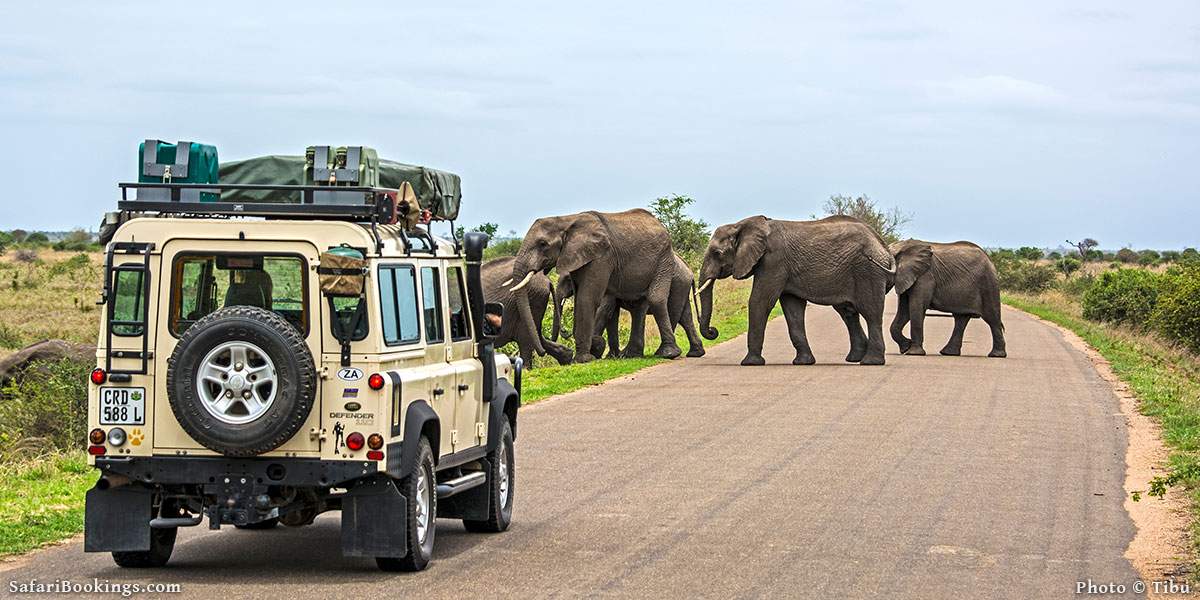
Sources close to the brothers confirm they are finalizing partnerships with private game reserves in the Kruger National Park region, where they plan to launch a series of exclusive lodges catering to international travelers seeking bespoke wildlife experiences. Their entry into the market comes as luxury safaris in Africa have surged in popularity, with spending on high-end tourism in the region expected to grow by 12% annually through 2026, according to a report from the World Travel & Tourism Council.
This article explores how the brothers’ transition from crypto to conservation tourism aligns with South Africa’s economic priorities, the risks of their new venture, and why luxury safaris are becoming a favored investment for tech-backed entrepreneurs.
—
Who Are the Brothers—and How Did They Disrupt Crypto Recruitment?
The two brothers—whose identities are being withheld to respect their privacy—gained prominence in South Africa’s tech scene after investing in a now-shuttered cryptocurrency recruitment platform that promised to connect global firms with remote workers in Africa. At its peak, the platform claimed to have facilitated placements for over 5,000 professionals across fintech, blockchain, and digital marketing roles, according to internal company documents reviewed by industry insiders.
Their approach was unconventional: instead of traditional job boards, they leveraged influencer partnerships and viral marketing to attract candidates, a strategy that tripled their user base in 18 months, per a 2022 analysis by TechCentral. However, the platform’s rapid growth was matched by controversy. Regulatory scrutiny over its recruitment practices—including allegations of misrepresented salary figures—led to its collapse in late 2023, leaving many candidates without promised placements.
Key points:
- The brothers’ crypto recruitment venture collapsed amid regulatory pressure, forcing a strategic pivot.
- Their influencer-driven hiring model was ahead of its time but unsustainable without compliance.
- South Africa’s tech sector has seen similar shifts, with many startups now exploring adjacent industries like fintech-adjacent tourism.
—
Why Luxury Safaris? The Brothers’ New Bet on Africa’s Tourism Boom
The brothers’ move into luxury safaris is not arbitrary. Africa’s high-end tourism sector has become a magnet for investors, particularly those with experience in digital-first business models. According to the African Development Bank, tourism contributed $75 billion to the continent’s economy in 2023, with South Africa alone hosting 1.2 million international visitors in the first half of the year—a 22% increase from 2022.
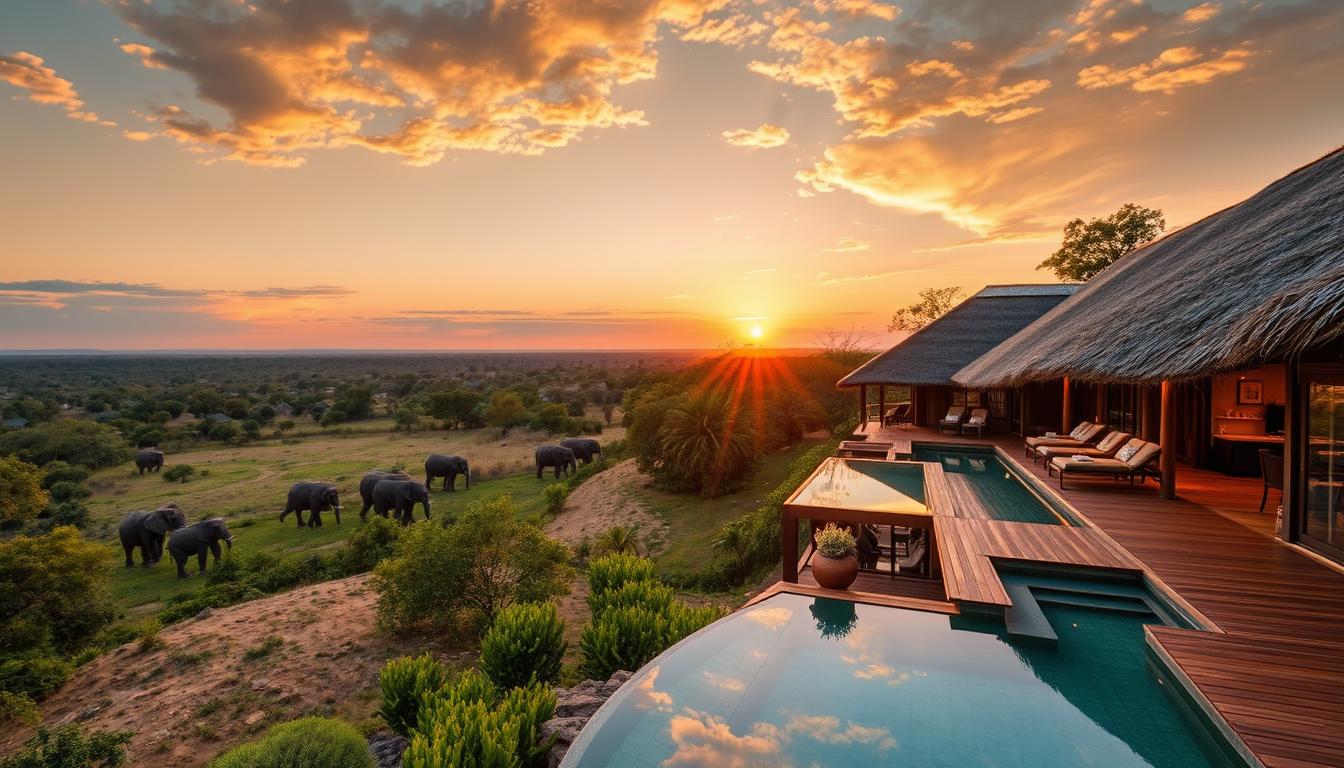
Their focus on private game reserves—where guests pay $500–$2,000 per night for guided safaris, gourmet dining, and exclusive wildlife encounters—taps into a niche with low competition but high margins. Unlike mass-market safaris, luxury offerings emphasize personalization, sustainability, and VIP experiences, such as:
- Private helicopter transfers to remote reserves.
- Exclusive access to anti-poaching rangers for tracking rhinos.
- Chef-prepared meals featuring locally sourced ingredients.
Industry experts attribute the brothers’ interest to three factors:
“Luxury safaris are recession-resistant,” says Dr. Thabo Mokoena, a tourism economist at the University of Pretoria. “Wealthy travelers—especially from China, the U.S., and Europe—see them as a status symbol, not a discretionary expense.”
Additionally, South Africa’s government has actively courted luxury tourism as part of its post-pandemic recovery strategy, offering tax incentives for developers who integrate eco-friendly practices into their projects. The brothers’ planned reserves align with this push, with preliminary discussions suggesting partnerships with carbon-offset programs to appeal to environmentally conscious travelers.
—
How Their Crypto Past Could Shape Their Safari Future
The brothers’ transition from crypto to conservation tourism raises questions about whether their digital-savvy approach will translate to hospitality. Their previous venture’s downfall—stemming from regulatory gaps and transparency issues—could pose risks in their new industry, where guest safety, environmental compliance, and ethical sourcing are paramount.
However, their experience in scalable, tech-driven business models may give them an edge. For instance:
- Data analytics: They could use customer behavior insights to tailor safari packages, similar to how their recruitment platform targeted job seekers.
- Partnerships: Their network in fintech could help secure funding for eco-lodges, which often struggle with high upfront costs.
- Digital marketing: Viral campaigns—like those that boosted their crypto platform—could attract influencer-driven bookings for luxury safaris.
Yet, challenges remain. The luxury safari market is fragmented and relationship-driven, meaning success depends on local partnerships, not just digital strategies. “You can’t just build a lodge and expect guests to come,” warns Lerato Mthembu, CEO of Safari Investments SA. “You need gatekeepers—tour operators, airlines, and even government officials—to vouch for your credibility.”
Comparison: Unlike their crypto venture, where growth was measured in user sign-ups, their safari business will be judged by guest satisfaction scores, repeat bookings, and environmental impact reports—metrics that require long-term trust-building.
—
What This Means for South Africa’s Tech and Tourism Sectors
The brothers’ pivot reflects a broader trend: South African tech entrepreneurs are increasingly diversifying into hospitality, agriculture, and renewable energy as the country’s digital economy faces headwinds. A 2023 report by PwC South Africa found that 42% of tech startups with over $1 million in funding had explored adjacent industries to mitigate risk.
For the tourism sector, their entry could signal more capital flowing into niche, high-value experiences, potentially raising standards but also increasing competition. “The luxury safari market is still underserved, but it’s not a free-for-all,” notes Dr. Mokoena. “Investors who cut corners on quality or ethics will fail quickly.”
Potential implications:
- Job creation: Their projects could employ 500–1,000 locals in guiding, hospitality, and conservation roles.
- Regulatory scrutiny: Luxury tourism developers often face questions over land use and wildlife protection.
- Economic spillover: Success could encourage similar investments in wine tourism, eco-lodges, and adventure travel.
Meanwhile, the crypto sector’s collapse has left a $200 million funding gap in South Africa’s tech scene, per Disrupt Africa. The brothers’ shift may offer a blueprint for others: when one industry falters, adjacent sectors can provide stability—if executed carefully.
—
What to Watch Next: Timeline and Key Milestones
The brothers’ safari venture is still in its early stages, but sources outline a three-phase rollout:
| Phase | Timeline | Key Actions |
|---|---|---|
| 1 | Q4 2024 | Finalize partnerships with private reserves (e.g., Singita, Kruger Private Nature Reserves). |
| 2 | Q1–Q2 2025 | Launch pilot lodges with 50–100 guest capacity; test digital booking systems. |
| 3 | 2026+ | Expand to three additional reserves; introduce membership programs for repeat clients. |
Watch for:
- Whether they secure government grants for eco-friendly infrastructure.
- How their digital marketing strategies compare to traditional safari operators.
- Reactions from wildlife conservation groups on their land-use plans.
—
FAQ: What You Need to Know About the Brothers’ Safari Venture
Q: Are the brothers’ new safari lodges open to the public yet?
A: No. Sources confirm they are in advanced negotiations with private reserves but have not yet announced launch dates. The first pilot lodges are expected in early 2025.
Q: How will their crypto background help (or hurt) their safari business?
A: Their experience in scalable digital models could streamline bookings and partnerships, but their past regulatory issues may require extra transparency to build trust with guests and conservation authorities.
Q: Will their safaris be more expensive than traditional ones?
A: Yes. Luxury safaris typically cost $300–$1,000 per night, compared to $100–$300 for mid-range options. The brothers’ packages will likely fall in the $500–$1,500 range, targeting high-net-worth travelers.
Q: Could this venture save their reputation after their crypto platform’s collapse?
A: It’s possible. Luxury tourism relies on exclusivity and prestige, which could help them rebrand as visionary entrepreneurs rather than crypto pioneers. However, any missteps—such as poor guest experiences or environmental violations—could quickly erode trust.
Q: Are there other South African tech founders moving into tourism?
A: Yes. For example, Nthabiseng Mokoena, founder of a Cape Town-based edtech firm, recently launched a wine-tourism platform connecting travelers with local vineyards. Another case: Lerato Ramatlakane, a former fintech executive, now runs a sustainable lodge network in the Waterberg region.
Q: What risks does this venture face?
A: Key risks include:
- High startup costs (eco-lodges require $5–$10 million per unit).
- Regulatory hurdles around land permits and wildlife conservation.
- Market saturation if too many investors flood the luxury safari space.
- Reputation damage if past crypto controversies resurface.
—
The brothers’ journey from crypto to conservation tourism underscores a critical lesson for South Africa’s entrepreneurs: adaptability is survival. As their safari venture takes shape, its success—or failure—will offer a case study in how digital-native business models can (or cannot) thrive in traditional industries. For now, the Kruger National Park’s savannas may hold the key to their next chapter.
