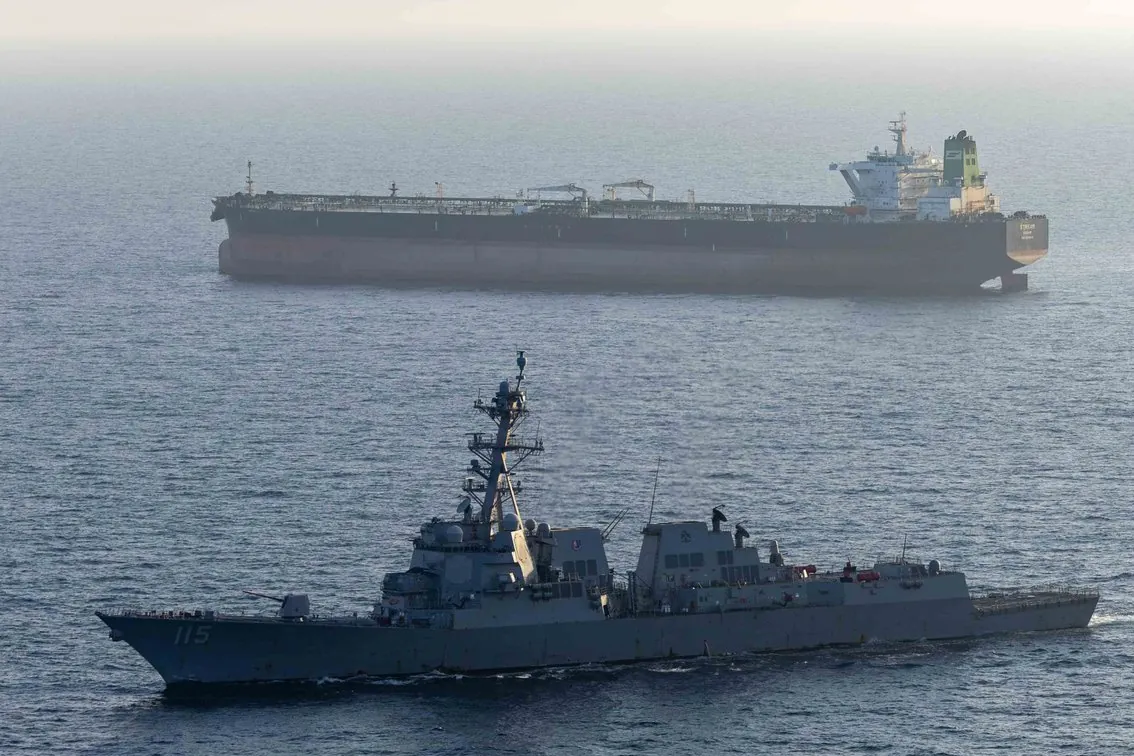
Oil prices have fallen back to levels last seen before the Iran war escalated, dropping nearly 4 percent in a single day as global markets reacted to a U.S.-Iran peace agreement that could reshape energy flows and ease supply tensions.
The benchmark Brent crude contract settled at $83.50 per barrel on Wednesday, down 3.8 percent from its Tuesday close, according to trading data. West Texas Intermediate crude, the U.S. benchmark, fell 4.1 percent to $79.20 per barrel. The declines came as investors priced in the potential for Iran to reopen the Strait of Hormuz—a critical chokepoint for global oil shipments—without the disruptions that had kept prices elevated for over a year.
Why the Market Shift Matters for Consumers and Investors
The price correction reflects a broader reassessment of risks in global energy markets. Before the agreement, geopolitical tensions had pushed Brent crude to a peak of $92 per barrel in early March, as traders anticipated prolonged disruptions to Iranian oil exports and potential attacks on shipping lanes. Now, with the Strait of Hormuz expected to reopen, analysts say the market is recalibrating toward a more stable supply outlook.
“This isn’t just a price correction—it’s a structural shift,” said a London-based oil trader, who requested anonymity to discuss market sentiment. “The market had priced in a worst-case scenario for Hormuz. Now, the baseline assumption is back to normal flows, which means lower premiums for insurance and shipping.”
For European consumers, who face some of the highest fuel prices in the world, the drop could offer modest relief at the pump. Gasoline prices in Germany, already down 8 percent from their summer peak, may see further declines if oil remains near current levels, according to a report from the German Energy Agency. However, analysts warn that any savings will be limited, as global demand for refined products—particularly diesel—remains strong.
How the Deal Could Reshape Global Oil Flows
The agreement between the U.S. and Iran marks a turning point in energy geopolitics, potentially reversing supply constraints that have dominated markets since 2023. Before the war escalated, Iran exported around 2.5 million barrels of oil per day, according to OPEC data. While sanctions and attacks on tankers had slashed that figure to roughly 500,000 barrels by early 2024, the deal could restore a significant portion of those volumes within months.
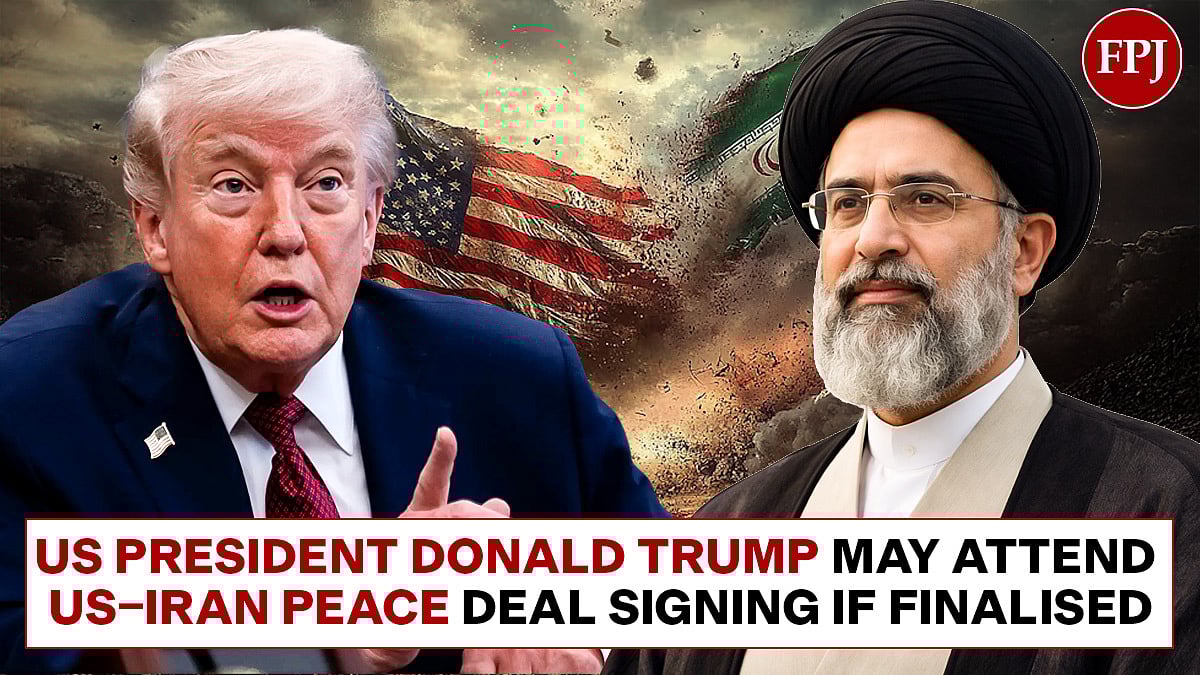
City traders in London anticipate a gradual normalization, with Iranian oil gradually returning to markets rather than a sudden flood. “It won’t be an immediate surge,” said a senior trader at a major European bank. “Iran will likely ramp up exports in stages, testing how the market absorbs the additional supply. The first shipments could appear as early as June, but full capacity might take until late 2025.”
This cautious approach contrasts with the abrupt reopening of Libya’s oil fields in 2020, which triggered a price crash as 1 million barrels of additional supply hit markets overnight. Traders say Iran’s strategy—if it holds—could avoid a repeat of that volatility.
What Happens Next for Markets and Policies
The immediate impact on oil prices is clear, but the longer-term effects hinge on two key factors: the speed of Iran’s reintegration into global markets and how OPEC+ responds. The cartel has already signaled it will monitor the situation closely, with Saudi Arabia and Russia likely to adjust production quotas to prevent a supply glut.
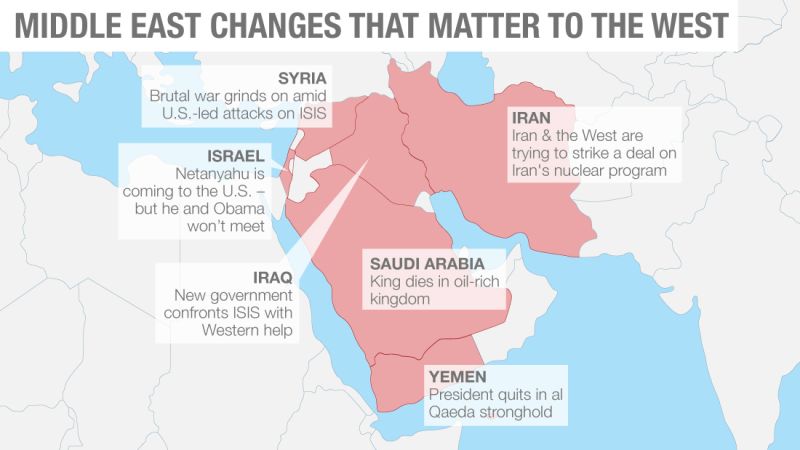
For now, the focus remains on the Strait of Hormuz. Satellite imagery and shipping data suggest Iranian naval activity near the strait has decreased since the agreement was announced, reducing the risk of attacks on commercial vessels. However, some analysts caution that regional tensions—particularly between Iran and Israel—could still flare up, keeping a floor under oil prices.
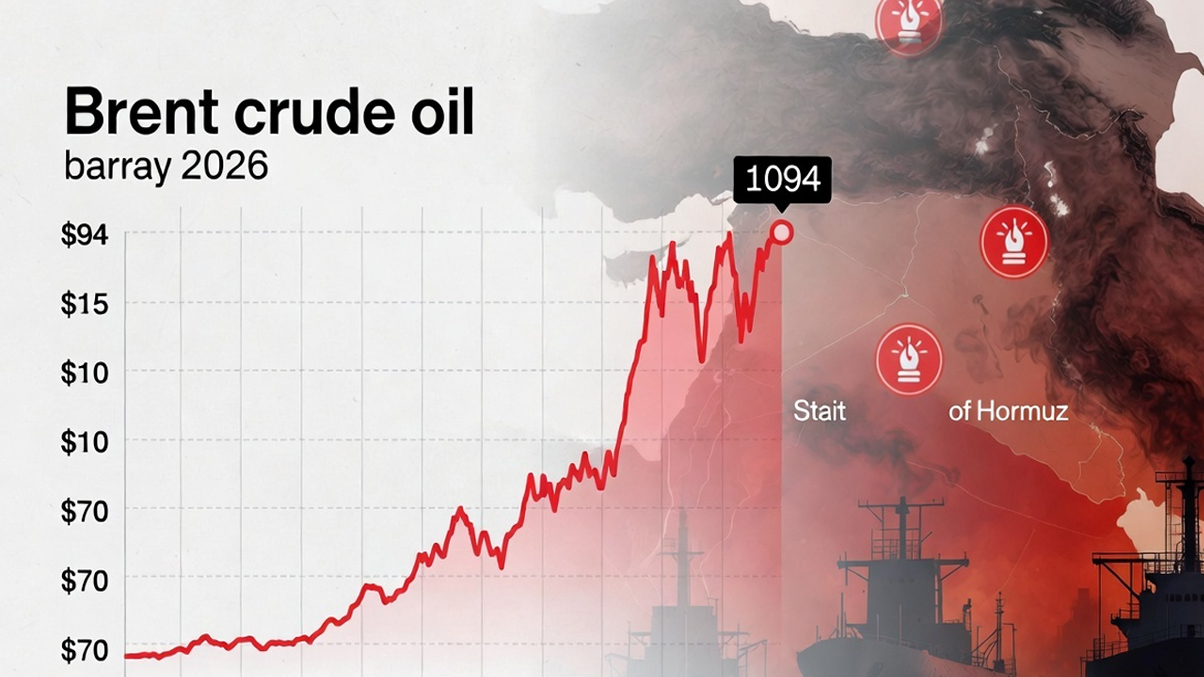
“The market is pricing in a best-case scenario, but geopolitics is never binary,” said a risk analyst at a Frankfurt-based commodity firm. “If Hormuz reopens smoothly, we could see Brent trade back toward $75 by year-end. But if there’s even a hint of renewed conflict, prices could spike again.”
Investors are also watching how European energy policies adapt. The EU’s price cap on Russian oil, which has kept discounts in place for months, may face pressure to adjust if Iranian supply floods the market. Meanwhile, refiners in India and China—major buyers of Iranian crude—are already positioning to take advantage of potential discounts as soon as new shipments arrive.
Key Questions for the Coming Weeks
- Will Iran meet its export targets? Pre-war data suggests Iran could restore up to 2 million barrels per day, but sanctions and logistical hurdles may limit initial volumes.
- How will OPEC+ react? Saudi Arabia and Russia have historically cut production to offset supply shocks; their next meeting in July will be critical.
- What does this mean for European gas storage? With Russian pipeline flows still below pre-war levels, any drop in oil prices may not directly translate to lower gas costs.
- Could Israel’s response derail the deal? Recent strikes on Iranian targets in Syria suggest tensions remain high, raising the risk of renewed disruptions.
