Study Highlights Key Welfare Needs for Seal Pups in Rehabilitation – Phys.org
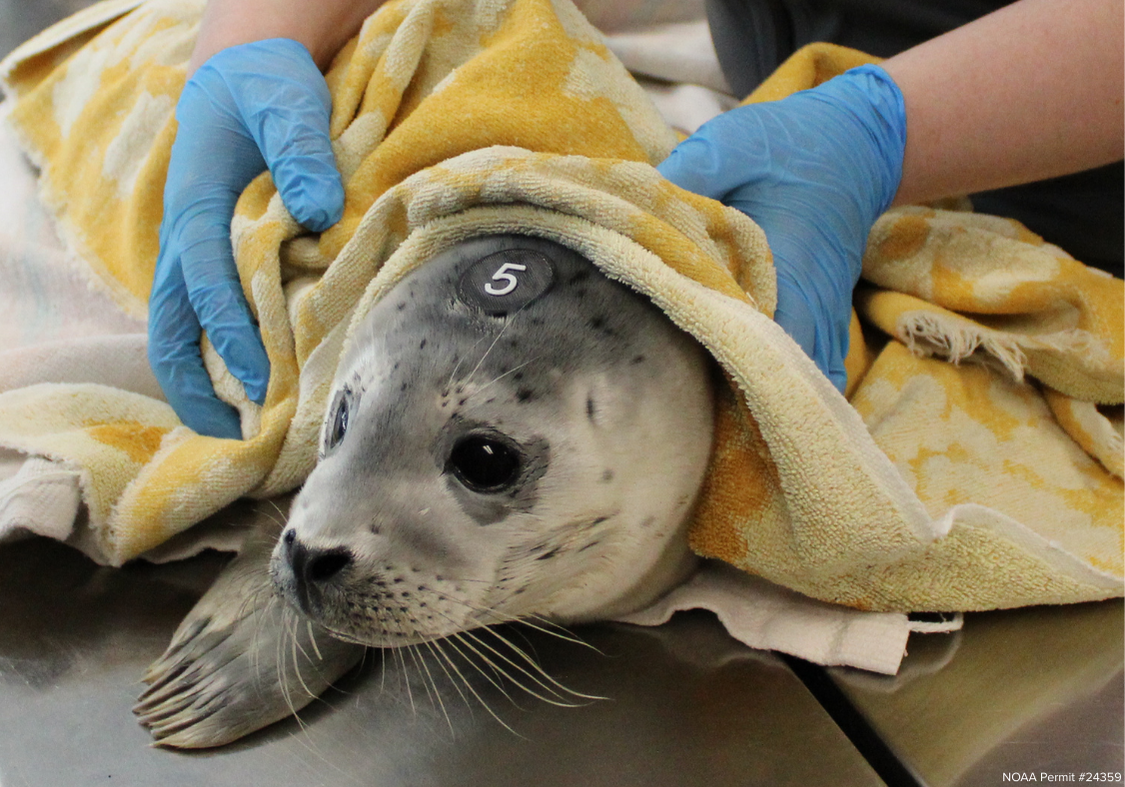
The survival of marine mammals often hinges on the critical window of time spent in rehabilitation centers after they are rescued from the wild. A recent study, as detailed in “Study highlights key welfare needs for seal pups in rehabilitation – Phys.org,” has brought urgent attention to the specific biological and psychological requirements of seal pups during their recovery. By examining the nuances of how these animals respond to captive care, researchers have identified pivotal welfare markers that can determine whether a pup successfully returns to the ocean or remains permanently dependent on human intervention.
Rehabilitating pinnipeds—specifically harbour and grey seal pups—is a complex operation that extends far beyond the administration of antibiotics or the provision of fish. It involves a delicate balance of medical stabilization, nutritional optimization, and the prevention of human habituation. The findings from this research suggest that the quality of life during rehabilitation is not merely a matter of survival, but a prerequisite for the animal’s eventual ability to hunt, avoid predators, and navigate the challenging marine environment.
The Complexities of Seal Pup Rehabilitation
Seal pups are frequently admitted to rescue centers due to a variety of stressors, including premature separation from their mothers, malnutrition, parasitic infections, or injuries caused by human activity. Once they enter a rehabilitation facility, the goal is clear: return them to the wild. However, the process of getting them “release-ready” is fraught with challenges. The transition from a wild state to a managed environment can introduce new stressors that, if not managed, can impede recovery.
The study highlights that welfare in these settings must be viewed through a holistic lens. It is not enough for a pup to gain weight. it must also maintain the behavioral instincts necessary for survival. This creates a tension within rehabilitation protocols: the need for intensive human care to save the animal’s life versus the need to minimize human contact to ensure the animal remains wild.
Common Causes for Rehabilitation Admission
- Maternal Separation: Pups may be separated from mothers due to environmental disturbances or natural causes, leaving them without essential colostrum and early-life guidance.
- Nutritional Deficiencies: Pups that fail to thrive or are found emaciated require precise caloric interventions to rebuild muscle mass and blubber.
- Environmental Toxins: Exposure to pollutants or plastic ingestion can lead to internal injuries and systemic illness.
- Disease and Parasites: Lungworm and other parasitic infections are common threats that require targeted medical treatment.
Core Welfare Pillars for Recovering Pups
To optimize the recovery process, the research emphasizes several key welfare pillars. These are the non-negotiable elements of care that contribute to both the physical health and the psychological stability of the pups.
Nutritional Precision and Weaning
Nutrition is the cornerstone of seal pup rehabilitation. The study underscores the importance of a diet that mimics the natural prey available in the pup’s native habitat. High-fat content is essential for the development of the blubber layer, which provides both insulation and energy reserves. However, the method of delivery is just as important as the nutrients themselves.
One of the most critical phases is the transition from tube-feeding or bottle-feeding to independent foraging. If a pup becomes too reliant on humans for food, it may lose the drive to hunt. Welfare-focused rehabilitation now emphasizes “enrichment feeding,” where fish are hidden or provided in ways that encourage the pup to use its natural sensory capabilities to locate food.
Environmental Enrichment and Habitat Design
The physical environment of a rehabilitation pool can either accelerate or hinder recovery. The study points to the necessity of environments that provide sensory stimulation and allow for natural behaviors. Sterile, concrete tanks are increasingly viewed as insufficient for high-welfare care.
Key environmental considerations include:
- Water Quality and Temperature: Maintaining precise salinity and temperature levels to prevent skin infections and support thermoregulation.
- Substrate Variety: Providing sandy or pebbled areas for pups to haul out, mimicking the coastlines they will eventually return to.
- Acoustic Management: Reducing noise pollution from machinery or high-traffic human areas, as seals are highly sensitive to sound.
The Psychology of Socialization
While seals are often viewed as solitary in some contexts, pups have significant social needs. The study suggests that social interaction with other pups of a similar age and species can reduce stress levels and encourage natural play behaviors. Play is not merely a leisure activity; it is a critical mechanism for developing the motor skills and social cues necessary for life in a colony.
Addressing the Habituation Paradox
One of the most significant insights from the research is the management of the “habituation paradox.” Habituation occurs when a wild animal ceases to perceive humans as a threat. In the context of a seal pup, This represents a dangerous development. A pup that is “friendly” toward humans is far more likely to approach boats, piers, or fishermen after release, increasing the risk of injury or death.
The goal of rehabilitation is to save the animal’s life without stealing its wildness. Every interaction with a human must be weighed against the long-term survival of the pup in the open ocean.
To combat this, many facilities are implementing “low-contact” protocols. This includes the use of specialized feeding equipment that hides the human provider and limiting the amount of verbal and physical interaction during medical checks. The study indicates that pups managed under these strict low-contact regimes show higher levels of natural caution and better integration upon release.
Comparative Needs: Grey Seals vs. Harbour Seals
While both species are frequently rehabilitated, they possess different biological and behavioral traits that require tailored welfare approaches. Understanding these differences is essential for practitioners to provide the highest standard of care.
| Welfare Factor | Grey Seal Pups | Harbour Seal Pups |
|---|---|---|
| Growth Rate | Rapid initial weight gain; high caloric demand. | Steady growth; different metabolic requirements. |
| Social Behavior | Tendency toward larger, more boisterous groups. | Often more cautious; different social hierarchies. |
| Environmental Preference | Prefer larger haul-out areas with more space. | Comfortable in slightly more confined, sheltered areas. |
| Feeding Response | Stronger initial drive for high-fat fish. | More varied dietary preferences during weaning. |
Long-Term Implications for Conservation
The implications of the findings in “Study highlights key welfare needs for seal pups in rehabilitation – Phys.org” extend beyond individual rescue centers. By standardizing welfare needs, the scientific community can improve the overall success rates of pinniped conservation efforts globally.
When welfare is prioritized, the “revolving door” effect—where animals are released only to be readmitted weeks later due to an inability to forage—is significantly reduced. This efficiency is crucial because rehabilitation resources are often limited. Higher success rates per animal mean that more pups can be saved with the same amount of funding and manpower.
The Role of Data-Driven Rehabilitation
The shift toward data-driven care allows centers to move away from anecdotal “best practices” and toward evidence-based protocols. By tracking specific markers—such as cortisol levels (a stress hormone), weight gain curves, and behavioral milestones—staff can make objective decisions about when a pup is truly ready for release.
For those interested in the broader context of marine health, exploring a related explainer on marine ecosystem restoration can provide insight into how the health of individual seals reflects the health of the wider ocean.
Common Misconceptions About Seal Rescue
Public perception of seal rehabilitation is often romanticized, leading to misconceptions that can actually harm the animals. The study and associated welfare guidelines aim to correct these narratives.
“The More Love and Attention, the Better”
Many believe that providing affection to a rescued pup helps it recover from trauma. In reality, the opposite is true. Emotional bonding with humans is a detriment to a wild animal. Professional rehabilitation focuses on “clinical care” rather than “emotional care” to ensure the animal does not lose its fear of humans.
“Any Fish is Good Fish”
There is a common belief that simply feeding a seal any available fish is sufficient. However, the study emphasizes the need for species-specific nutrition. Feeding the wrong types of fish can lead to nutritional imbalances, such as vitamin A toxicity or a lack of essential omega-3 fatty acids, which are critical for brain development and blubber thickness.
“Once They Reach a Certain Weight, They Are Ready”
Weight is a primary metric, but it is not the only one. A pup may be physically heavy enough for release but lack the behavioral competence to hunt or avoid predators. Welfare-centric rehabilitation insists on behavioral assessments as a prerequisite for release.
Integrating Welfare into Global Rescue Standards
As more seal pups are brought into care due to shifting climate patterns and increasing coastal development, the need for a global standard of care becomes apparent. The insights provided by this research suggest a framework that can be adopted by rescue organizations worldwide.
Implementing these standards requires a multidisciplinary approach, combining the expertise of marine biologists, veterinary surgeons, and animal behaviorists. By focusing on the psychological needs of the pup as much as the physical ones, the industry is moving toward a more ethical and effective model of wildlife rescue.
Future efforts will likely focus on the use of technology to further reduce human contact, such as automated feeding systems and remote monitoring cameras, ensuring that the “wildness” of the seal is preserved throughout its journey from rescue to release.
Frequently Asked Questions
Why is it important to limit human interaction with seal pups in rehab?
Limiting interaction prevents habituation. If a seal pup becomes comfortable around humans, it will lose its natural fear, making it more likely to approach people or boats after release, which often leads to dangerous encounters or further injury.
What are the most critical physical markers for a seal pup’s release?
The most critical markers include reaching a target weight (blubber thickness), the ability to hunt live prey independently, the absence of active infections, and the demonstration of natural avoidance behaviors toward humans.
How does environmental enrichment help a seal pup recover?
Enrichment, such as adding natural substrates or varied feeding methods, prevents boredom and stress. It encourages the pup to engage in natural foraging and exploratory behaviors, which are essential for its survival in the wild.
Can any marine mammal center rehabilitate seal pups?
Not necessarily. Effective rehabilitation requires specialized facilities, including salt-water pools with specific temperature controls and a diet of high-quality, species-appropriate fish, along with staff trained in pinniped-specific veterinary care.
What happens if a pup cannot be released?
In rare cases where a pup has permanent injuries or is too heavily habituated to survive in the wild, it may be designated as a “permanent resident.” These animals often serve as educational ambassadors, helping the public understand the importance of marine conservation.
For further reading on how human activity impacts these species, you may find a guide to coastal conservation efforts useful in understanding the preventative side of marine mammal welfare.
