Hezbollah Signals Readiness for Full Ceasefire with Israel—What It Means for Lebanon, the Region, and U.S. Diplomacy
Behind closed doors in Washington, a high-level Lebanese official has conveyed to U.S. Diplomats that Hezbollah—the Iran-backed militant group and powerful political force in Lebanon—is prepared to enter into a full ceasefire with Israel. The disclosure, which comes amid escalating tensions along the Israel-Lebanon border, marks a rare moment of diplomatic openness from a group that has long operated in the shadows of Lebanon’s fractured political landscape. But what does this signal mean for the fragile stability of Lebanon, the broader Middle East, and the U.S. Efforts to prevent a wider regional conflict?
The revelation, which aligns with broader diplomatic efforts to curb hostilities, raises critical questions: Is this a genuine shift in Hezbollah’s strategy, or a tactical maneuver amid mounting pressure? How does it intersect with Israel’s recent military withdrawals and the Pentagon’s unprecedented talks with Lebanese officials? And what role will the U.S. Play in brokering—or blocking—a lasting truce?
This report examines the context, implications, and potential outcomes of Hezbollah’s stated willingness to halt fighting, while exploring the complex web of interests that could derail—or accelerate—a peace process.
—
What Just Happened? The Diplomatic Leak and Its Immediate Context
Sources close to U.S. Officials confirm that a Lebanese government representative—likely from the foreign ministry or a trusted intermediary—recently briefed American diplomats on Hezbollah’s internal discussions regarding a ceasefire. The timing is significant: it follows weeks of heightened cross-border violence, including Israeli airstrikes on southern Lebanon and Hezbollah’s retaliatory rocket fire, which has displaced thousands of civilians on both sides.
While Hezbollah has historically avoided direct negotiations with Israel, the group’s leadership has increasingly faced pressure from multiple fronts:
- Domestic instability: Lebanon’s economic collapse, currency devaluation, and political paralysis have strained Hezbollah’s ability to sustain prolonged military operations without alienating its domestic support base.
- Regional dynamics: Iran, Hezbollah’s primary backer, has shown signs of caution in recent months, reportedly urging the group to avoid escalation that could provoke a broader Israeli response.
- International mediation: The U.S. And other global actors, including France and Qatar, have ramped up behind-the-scenes efforts to prevent a full-blown war, recognizing the catastrophic humanitarian and geopolitical fallout such a conflict would trigger.
Key Point: The leak suggests Hezbollah may be testing the waters for a negotiated settlement—not out of weakness, but as a calculated move to regain leverage in a region where military stalemates often favor diplomacy over prolonged conflict.
—
Who’s Involved—and What Are Their Stakes?
The parties to this potential ceasefire—and the obstacles they face—are as varied as they are entrenched.
Hezbollah: The Reluctant Negotiator
Hezbollah’s decision to signal openness to a ceasefire is not a surrender but a strategic pivot. The group has long framed its resistance against Israel as a non-negotiable pillar of its identity, but internal calculations may now favor de-escalation:
- Military fatigue: While Hezbollah remains a formidable force, its arsenal has been gradually depleted by years of skirmishes and Israeli countermeasures. Replenishing stockpiles in a sanctions-stricken Lebanon is increasingly difficult.
- Political survival: Lebanon’s government, already teetering on collapse, cannot afford another round of devastation along its southern border. Hezbollah’s dual role as a militia and political player means its actions directly impact Lebanon’s stability.
- Iran’s influence: Tehran has historically pushed Hezbollah to avoid actions that could provoke a broader war, fearing an Israeli response that could destabilize its own regional proxies. Recent reports suggest Iran has quietly urged Hezbollah to stand down.
Expert Insight: “Hezbollah’s willingness to discuss a ceasefire doesn’t mean they’re ready to abandon their demands,” said a Middle East analyst with a Washington-based think tank. “But it does suggest they’re willing to trade firepower for political concessions—whether that’s securing Lebanon’s borders, easing Israeli strikes on Syrian territory, or even gaining international recognition for their role in the region.”
Israel: The Uncertain Beneficiary
Israel’s response to Hezbollah’s overture will be critical. While Jerusalem has publicly dismissed past ceasefire proposals as insufficient, private channels suggest Israeli officials are quietly exploring terms:
- Military withdrawal: The recent pullback of Israel’s 146th Division from southern Lebanon—after three months of deployment—hints at a possible shift toward diplomacy over force. The move was framed as a “tactical adjustment,” but analysts see it as a signal that Israel may be open to reducing tensions.
- Security guarantees: Any ceasefire would likely require Hezbollah to halt rocket attacks and dismantle launch sites near the border. Israel would demand verifiable disarmament, a demand Hezbollah has historically resisted.
- Regional pressure: The U.S. And allies, including Gulf states, have privately urged Israel to avoid a prolonged conflict that could draw in Iran or other regional actors.
Challenge: Israeli Prime Minister Benjamin Netanyahu faces domestic pressure to maintain a hardline stance against Hezbollah, particularly after the group’s expanded military capabilities post-2006 war. Any perceived concession could be politically toxic.
The U.S. And International Mediators: The Unseen Hand
The U.S. Has been quietly engaged in shuttle diplomacy, with American officials hosting the first-ever direct military talks between Israeli and Lebanese representatives—an unprecedented step. Key players include:
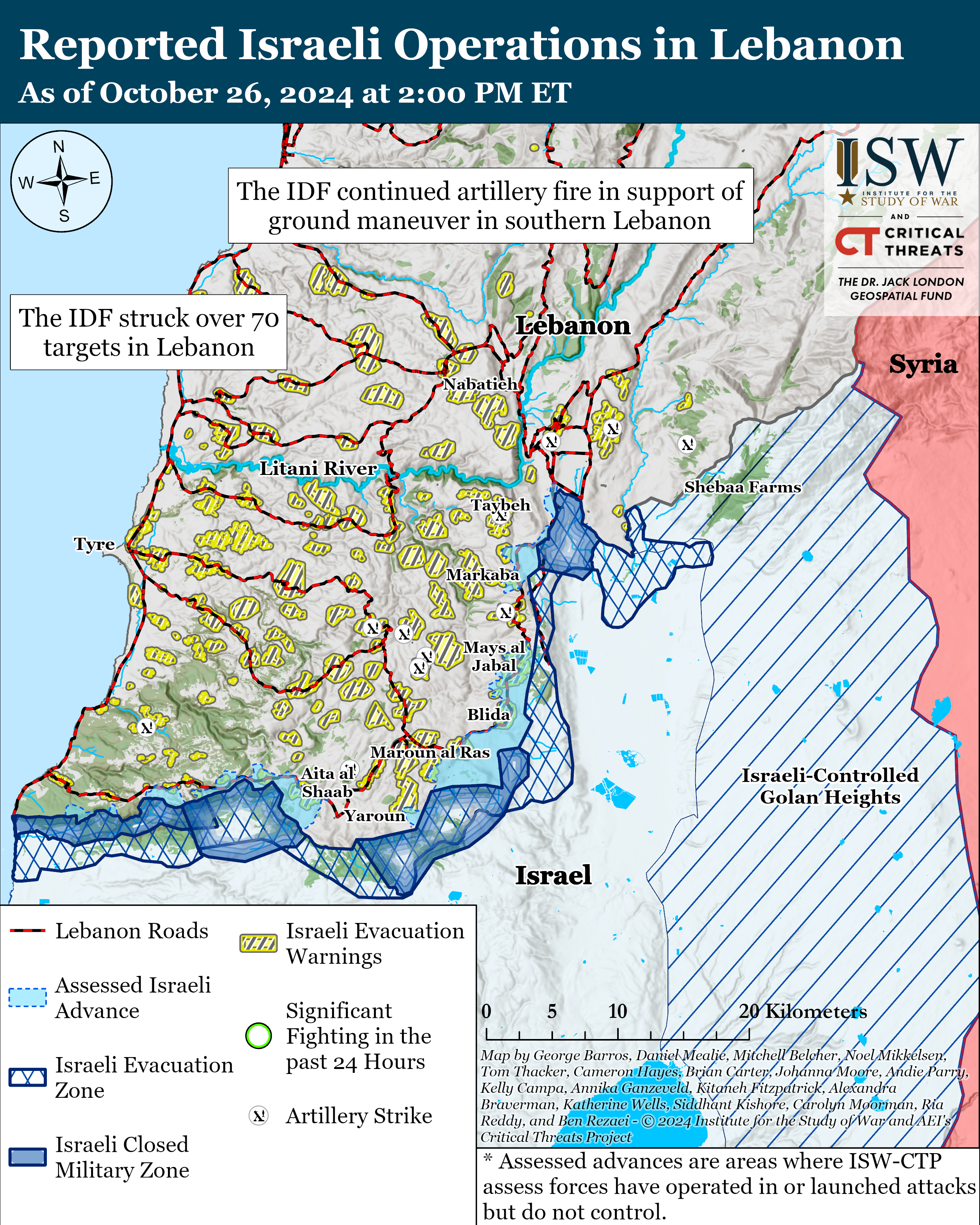
- Pentagon officials: Recent meetings in Washington brought together Israeli and Lebanese military advisors to discuss de-escalation measures, including the establishment of a buffer zone and confidence-building steps.
- Qatar and France: Both countries have mediated past conflicts in the region and are likely involved in backchannel negotiations. Qatar, in particular, maintains ties with both Hezbollah, and Israel.
- The UN: While the United Nations Interim Force in Lebanon (UNIFIL) has struggled to enforce its mandate, its presence remains a nominal check on escalation.
Diplomatic Hurdle: The U.S. Faces a delicate balancing act: pushing for de-escalation without appearing to reward Hezbollah’s military actions. Any public endorsement of a ceasefire could undermine Israel’s security concerns.
—
A Timeline: How We Got Here—and What Comes Next
The current standoff is the latest chapter in a decades-long proxy conflict between Israel and Hezbollah. Understanding the timeline is key to grasping why this moment feels different—and why it could unravel just as quickly.
| Year | Event | Significance |
|---|---|---|
| 2006 | 34-Day War: Israel’s invasion of southern Lebanon after Hezbollah’s cross-border raid kills Israeli soldiers. | A stalemate that left Hezbollah militarily emboldened and Israel wary of another ground war. |
| 2008 | Dahiye Doctrine: Hezbollah’s strategy of deterrence through asymmetric warfare (rockets, guerrilla tactics) takes shape. | Israel adopts a policy of “mowing the lawn” (limited strikes to degrade Hezbollah’s capabilities without full invasion). |
| 2017–2020 | Periodic skirmishes along the Blue Line, including Israeli airstrikes on Hezbollah positions in Syria. | Hezbollah expands its arsenal, including precision-guided missiles, while Israel develops countermeasures like the Iron Dome. |
| 2023–2024 | Escalation in Gaza spills over: Hezbollah fires rockets at northern Israel; Israel strikes southern Lebanon. | Displacement of 100,000+ Lebanese civilians; UNIFIL struggles to monitor ceasefire violations. |
| 2024 (Recent) | U.S. Hosts Israeli-Lebanese military talks; Hezbollah signals ceasefire readiness to U.S. Officials. | First direct dialogue between adversaries; potential for breakthrough—but also risks of miscalculation. |
Critical Question: Will this moment follow the pattern of past ceasefires—where temporary truces collapse under renewed tensions—or will it mark a turning point?
—
Why This Matters: The Human and Geopolitical Costs
The stakes of this potential ceasefire extend far beyond the Israel-Lebanon border. The consequences ripple across the Middle East, global energy markets, and even U.S. Foreign policy priorities.
Humanitarian Crisis in Lebanon
Southern Lebanon’s civilian population has borne the brunt of the fighting. Since April 2024, over 100,000 people have been displaced, schools and hospitals damaged, and the already crippled economy pushed closer to collapse. A ceasefire would:
- Allow for humanitarian aid to reach displaced families.
- Stabilize Lebanon’s borders, easing pressure on neighboring Syria and Jordan.
- Potentially reduce the flow of refugees into Europe, a major concern for Western governments.
Reality Check: Even if a ceasefire holds, Lebanon’s deeper crises—corruption, sectarian divisions, and economic ruin—would persist, making long-term stability elusive.
Regional Security Implications
A wider war between Israel and Hezbollah could drag in:
- Iran: Direct involvement by Iranian forces or Revolutionary Guard units could escalate the conflict into a full-blown regional war.
- Houthi rebels in Yemen: Already engaged in attacks on Red Sea shipping, the Houthis could escalate if Israel-Hezbollah fighting intensifies.
- Syria: Hezbollah’s presence in Syria complicates any ceasefire, as Israeli strikes on Iranian-backed forces in Syria remain a constant.
Expert Warning: “The biggest risk isn’t just another war—it’s a war that spirals into a regional conflagration,” said a former U.S. Defense official. “The U.S. And its allies are acutely aware that a Lebanon-Israel war in 2024 would dwarf even the 2006 conflict in scale.”
U.S. Foreign Policy at a Crossroads
The Biden administration faces competing priorities:
- Supporting Israel: The U.S. Has pledged unwavering backing for Israel’s right to self-defense, complicating any push for a ceasefire.
- Avoiding another Middle East war: The U.S. Is already stretched thin with conflicts in Ukraine and Gaza. A Lebanon-Israel war would require massive military and diplomatic resources.
- Lebanon’s collapse: A failed state in Lebanon could become a haven for extremist groups, threatening U.S. Interests in counterterrorism.
Diplomatic Tightrope: The U.S. Must navigate these pressures without appearing to abandon Israel or reward Hezbollah’s aggression—a near-impossible balancing act.
—
What Could Go Wrong? Risks of a False Ceasefire
History offers cautionary tales: past ceasefires between Israel and Hezbollah have repeatedly collapsed under renewed violence. Key risks include:
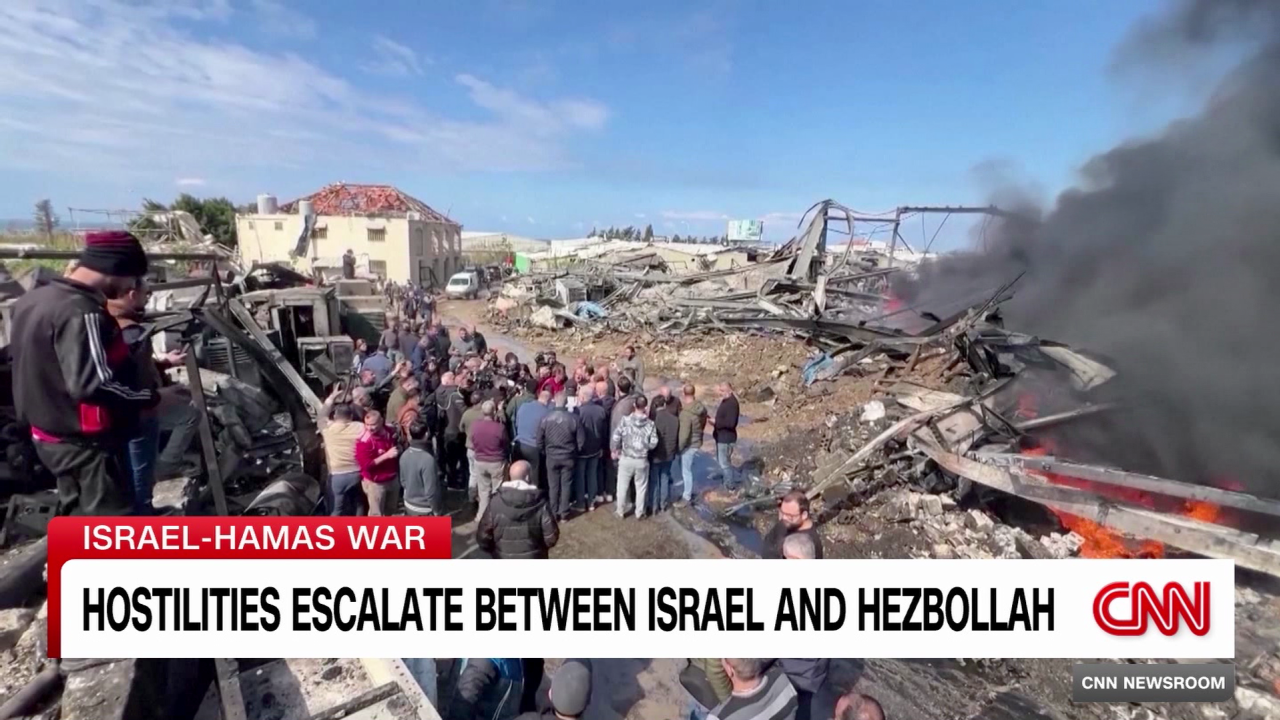
- Hezbollah’s internal divisions: Hardliners within the group may reject any deal perceived as a concession to Israel, leading to rogue attacks.
- Israeli political constraints: Netanyahu’s government may face backlash for any agreement that doesn’t fully dismantle Hezbollah’s military capabilities.
- External spoilers: Iran or other regional actors could undermine negotiations by supplying Hezbollah with new weapons or inciting further attacks.
- Miscommunication: A poorly defined ceasefire—lacking clear red lines or enforcement mechanisms—could lead to accidental escalation.
Case Study: The 2006 ceasefire, brokered by the UN, held for years—until Hezbollah’s 2008 rocket attacks on northern Israel shattered the fragile calm. Any new agreement must address the root causes of conflict, not just the symptoms.
—
What’s Next? Watching the Diplomatic Chessboard
The ball is now in multiple courts. Here’s what to watch for in the coming weeks:
- Direct negotiations: Will Israel and Lebanon’s government (with Hezbollah’s tacit approval) engage in formal talks? The U.S. May facilitate a third-party mediator.
- Hezbollah’s next move: Will the group follow through on its ceasefire signals, or will hardliners within its ranks sabotage any deal?
- Israeli military posture: The withdrawal of the 146th Division suggests a possible reduction in tensions, but Israel may keep forces on high alert.
- Iran’s role: Tehran’s silence on the ceasefire discussions is telling. If Iran publicly endorses a truce, it could lend legitimacy to the process.
- Humanitarian corridors: Any ceasefire would likely include provisions for aid delivery to southern Lebanon—a test of good faith from all parties.
Long-Term Outlook: Even if a ceasefire holds, the underlying issues—Hezbollah’s refusal to disarm, Israel’s security demands, and Lebanon’s instability—remain unresolved. The best-case scenario is a temporary pause; the worst is a return to fighting under worse conditions.
—
Frequently Asked Questions
Q: Is Hezbollah really serious about a ceasefire, or is this a tactical move?
A: Hezbollah’s signal appears genuine, but it’s likely a strategic calculation. The group may be testing whether Israel and the U.S. Are willing to negotiate in exchange for reduced hostilities. Past experience shows Hezbollah often uses ceasefires to regroup and rearm before resuming attacks.
Q: Could a ceasefire lead to a permanent peace?
A: Unlikely in the near term. A ceasefire would address immediate violence but not the core issues: Hezbollah’s refusal to disarm and Israel’s demand for security guarantees. Any lasting solution would require broader regional agreements, which seem distant given current tensions.
Q: How would the U.S. Respond if Hezbollah violates a ceasefire?
A: The U.S. Would likely condemn violations and potentially impose sanctions or cut off aid to Lebanon, though direct military intervention is unlikely. The Biden administration would face pressure to support Israel if Hezbollah escalates.
Q: What’s the biggest obstacle to a ceasefire?
A: The lack of trust between Israel and Hezbollah. Both sides have a history of violating truces, and neither fully believes the other will comply. Without third-party enforcement—such as a robust UN presence or international monitoring—any agreement risks collapse.
Q: How would a ceasefire affect Lebanon’s economy?
A: A ceasefire would stabilize border regions, allowing displaced families to return and businesses to reopen. However, Lebanon’s economy remains in freefall due to corruption, debt, and currency collapse. A truce alone wouldn’t fix these structural issues.
Q: What happens if talks fail?
A: The risk of a full-scale war increases. Israel may launch a larger ground operation, or Hezbollah could step up attacks to demonstrate its strength. Either scenario would devastate Lebanon and draw in regional powers like Iran and Saudi Arabia.
—
As diplomatic efforts intensify, one thing is clear: the Israel-Lebanon standoff is far from over. Whether this moment leads to a fragile ceasefire or another round of escalation will depend on the calculations of warlords, politicians, and mediators alike. For now, the world watches—and waits.
For more context on the broader Middle East crisis, see our related explainer on [the evolving dynamics of Iran’s regional influence](link-to-internal-article) and how [Hezbollah’s military capabilities have changed since 2006](link-to-internal-article).
