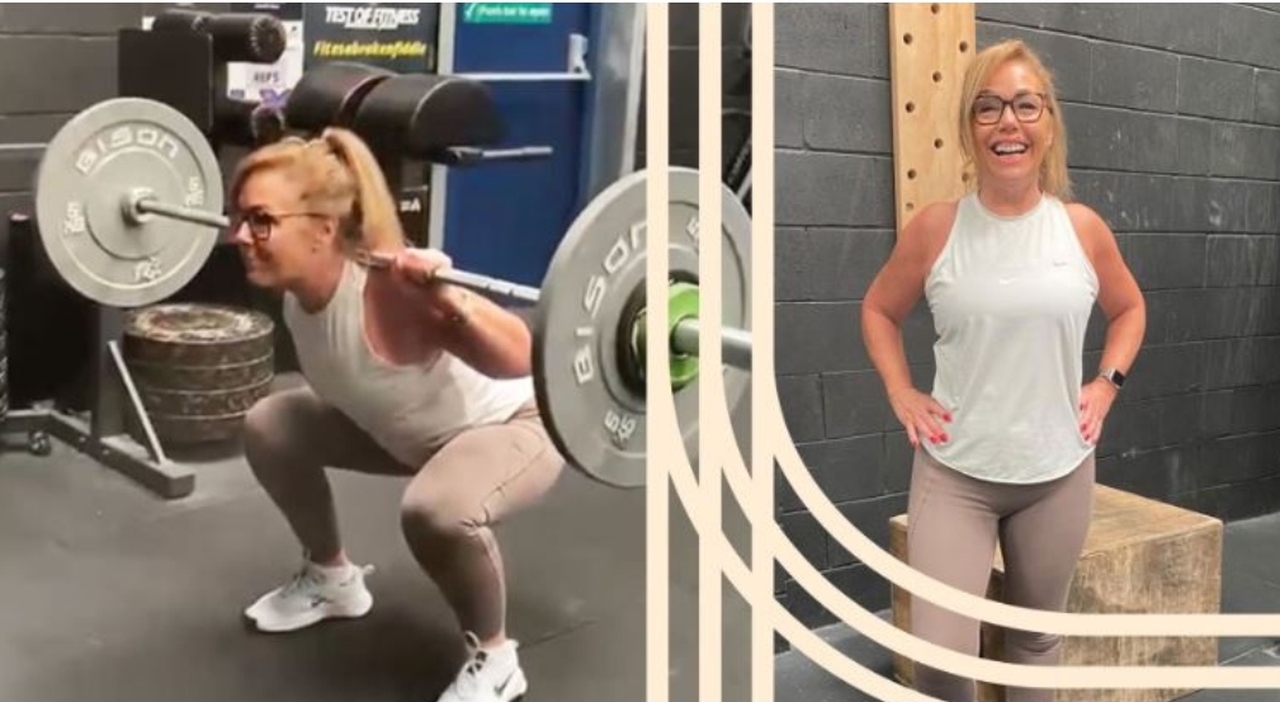
At 67, a former patient who had struggled with balance and muscle weakness since age 60 is now stronger than ever—thanks to a disciplined regimen of weight training. His experience, though anecdotal, aligns with growing evidence that resistance exercise can reverse age-related declines in strength and mobility, even in older adults who may have once believed such improvements were impossible.
The shift in his physical condition underscores a broader trend in geriatric fitness: that muscle loss, often seen as an inevitable part of aging, can be mitigated—or even reversed—with targeted strength training. Experts emphasize that the key lies not in sporadic activity but in consistent, progressive resistance workouts tailored to individual abilities.
Why Strength Training Works for Older Adults
Muscle mass typically peaks in early adulthood and begins declining after age 30, accelerating after 50. By age 60, many people experience noticeable reductions in strength and balance, increasing the risk of falls, fractures, and loss of independence. However, research increasingly shows that resistance training can stimulate muscle protein synthesis, prompting fibers to grow and regenerate—even in older adults.
For someone who started at 60 with noticeable weakness, the turnaround by age 67 suggests that the body retains remarkable plasticity. “The idea that aging means irreversible decline is outdated,” said a geriatric rehabilitation specialist. “What matters is the stimulus: progressive overload, proper form, and consistency.” The specialist noted that even modest gains in muscle strength can translate to better mobility, reduced joint pain, and improved metabolic health.
Key Considerations for Safe and Effective Training
The transformation described in the account highlights several critical principles for older adults considering strength training:
- Progressive overload: Gradually increasing resistance or reps to challenge muscles without overburdening joints.
- Full-body focus: Targeting major muscle groups (legs, core, back, shoulders) to improve stability and functional movement.
- Balance and mobility: Incorporating exercises that mimic daily activities (e.g., squats, lunges) to reduce fall risk.
- Professional guidance: Working with a certified trainer or physical therapist to tailor a program and avoid injury.
While the individual’s story is inspiring, experts caution that results vary widely based on genetics, pre-existing conditions, and adherence. “This isn’t about setting records,” the specialist added. “It’s about regaining what was lost—and often, more.”
What the Science Says
Clinical studies confirm that resistance training can increase muscle mass by up to 3% in older adults, even those with sarcopenia (severe muscle loss). A landmark review published in the Journal of Applied Physiology found that programs combining resistance and balance exercises reduced falls by nearly 30% in participants over 65. The effects extend beyond physical strength: improved muscle function is linked to better blood sugar control and reduced inflammation.

Yet challenges remain. Many older adults face barriers like chronic pain, arthritis, or fear of injury, which can deter them from starting. The specialist emphasized that modifications—such as using lighter weights, seated exercises, or water-based resistance—can make training accessible. “The goal isn’t perfection,” they said. “It’s movement that feels safe and sustainable.”
When to Seek Medical Advice
While strength training offers profound benefits, older adults with heart conditions, severe joint issues, or uncontrolled blood pressure should consult a doctor before beginning a new program. A healthcare provider can help identify safe starting points and monitor progress. Physical therapists often play a key role in designing personalized plans, especially for those recovering from injury or surgery.
The 67-year-old’s journey reflects a powerful message: aging is not a sentence to decline. With the right approach, many older adults can rebuild strength, confidence, and independence—proving that it’s never too late to turn back the clock on muscle loss.
