Israeli Prime Minister Benjamin Netanyahu has declared that Iran has already paid a steep price for its actions and warned that its downfall is inevitable, as tensions between the U.S., Israel, and Iran reach a critical juncture. The remarks come amid a series of escalating strikes and covert operations that have reshaped the Middle East’s security landscape.
The Latest Escalation: A Direct Warning from Netanyahu
In a statement that underscores the hardening stance of Jerusalem and Washington, Netanyahu framed Iran’s regional ambitions as an existential threat. Iran has already paid a very high price,
he said. Its end is coming. It will fall.
The comments reflect a deliberate strategy of deterrence, following a wave of retaliatory strikes that have targeted Iranian-backed militant groups in Syria, Iraq, and Yemen.
The latest exchanges follow a high-stakes confrontation in April, when Iran launched a direct attack on Israel using drones and missiles—a response to a U.S.-backed Israeli airstrike in Damascus that killed senior Iranian Revolutionary Guard officers. While Israel’s Iron Dome and U.S. Patriot systems intercepted most of the incoming projectiles, the incident marked the first time Iran had directly targeted Israeli territory, raising fears of a broader regional war.
How the Conflict Has Unfolded
The current phase of hostilities began in earnest after Israel’s April 1 strike in Syria, which killed two senior commanders of Iran’s Islamic Revolutionary Guard Corps (IRGC). Tehran responded with a barrage of drones and missiles, forcing Israel to scramble its defenses. The U.S. Deployed additional troops to the Middle East as a precaution, including aircraft carriers and missile defense systems, to bolster regional allies.
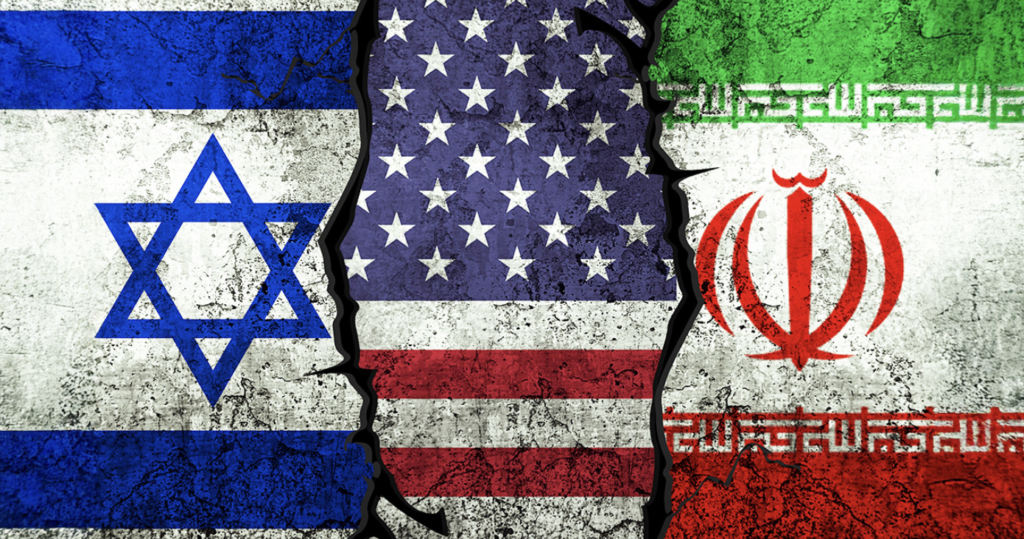
Since then, Israel has conducted a series of precision airstrikes against IRGC-linked facilities in Syria, Iraq, and Yemen, targeting arms depots, training camps, and command centers. Iranian-backed groups, including Hezbollah in Lebanon and Houthis in Yemen, have also escalated attacks on shipping lanes in the Red Sea and Gulf of Aden, disrupting global trade routes.
According to U.S. And Israeli officials, the strikes have inflicted significant damage on Iran’s proxy networks, though Tehran has vowed to continue its support for militant factions across the region. The White House has emphasized that Washington remains committed to preventing a direct conflict between Israel and Iran, even as it provides Israel with intelligence and logistical support.
Regional and Global Implications
The escalation carries profound consequences for Middle Eastern stability. Lebanon’s Hezbollah, backed by Iran, has intensified cross-border shelling into northern Israel, while Yemen’s Houthis—also aligned with Tehran—have stepped up attacks on commercial vessels in the Bab al-Mandeb Strait, a critical chokepoint for global shipping. The U.S. Has responded with targeted strikes against Houthi positions, further complicating the region’s fragile security dynamics.
Internationally, the conflict has reignited debates over the risks of a broader war. European leaders, including Germany’s Chancellor Olaf Scholz, have called for de-escalation, warning that a direct Israel-Iran confrontation could destabilize oil markets and trigger a refugee crisis. Meanwhile, Russia and China have adopted a more neutral stance, urging restraint while avoiding explicit condemnation of either side.
A video released by the Israeli government shows Netanyahu addressing the nation on the latest developments:
What’s Next: A Delicate Balance
With both sides digging in, the immediate focus remains on preventing further miscalculations. Iran has signaled that it will not back down from its support for militant groups, while Israel continues to target IRGC infrastructure. The U.S. Is engaged in closed-door diplomacy with regional partners, including Saudi Arabia and the UAE, to explore potential avenues for dialogue.

For now, the conflict appears locked in a cycle of retaliation, with neither side willing to concede ground. The coming weeks will determine whether diplomatic efforts can curb the violence—or whether the region inches closer to a full-scale confrontation.
