
Montrealers braced for a summer unlike any other as weather patterns shifted unexpectedly, sparking conversations about climate trends and seasonal expectations. Local forecasts indicated a delayed arrival of typical summer warmth, with temperatures fluctuating more dramatically than usual for the month of June.
A Shift in Summer’s Arrival
Residents of Quebec’s largest city observed an unusual weather rhythm this week, as temperatures dipped by 10 degrees over two days, according to reports from MétéoMédia. This abrupt change disrupted plans for outdoor activities and raised questions about broader climatic shifts. The National Meteorological Service noted that June’s average temperatures fell below historical norms, a trend echoed in multiple regional analyses.
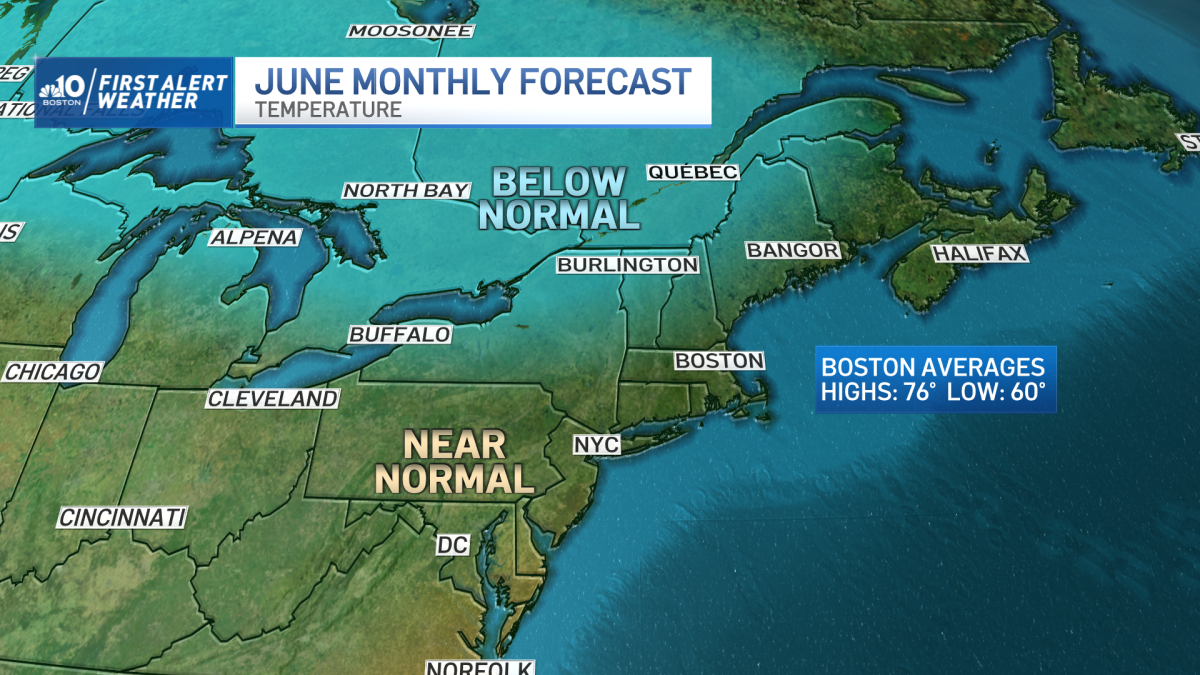
The fluctuation prompted discussions on social media, with Montrealers sharing both frustration, and fascination. “It feels like we’re stuck between spring and summer,” one user wrote on a local forum. “I’d love to know if this is a temporary blip or the new normal.”
What the Data Reveals
Key details from the forecasts include:
- A projected 10-degree temperature drop over two days, creating a stark contrast to early June’s heat.
- June’s average temperatures falling below historical averages, according to data from La Terre de chez nous.
- Local media outlets, including Le Journal de Montréal and TVA Nouvelles, highlighting the anomaly as a topic of public interest.
The irregularity has prompted meteorologists to emphasize the complexity of seasonal weather patterns. “While short-term fluctuations are normal, the cumulative effect of these changes is worth monitoring,” said a spokesperson for the Quebec Weather Office.
Cultural and Practical Implications
The shifting climate has practical consequences for Montreal’s culture and daily life. Outdoor markets, festivals, and community events often hinge on predictable weather, and the uncertainty has led to last-minute adjustments. Local businesses reported mixed reactions, with some expressing concern over potential impacts on tourism and seasonal commerce.
Climatologists caution that such variability may become more common, citing long-term data on regional temperature trends. “This isn’t just about one month—it’s part of a larger pattern that’s reshaping how we plan for the future,” said a researcher with the University of Montreal’s environmental studies department.
As the month progresses, residents remain vigilant, balancing anticipation for summer with adaptability to the elements. The situation underscores the growing intersection between weather forecasting and public life, where even minor shifts can ripple through communities and industries alike.
