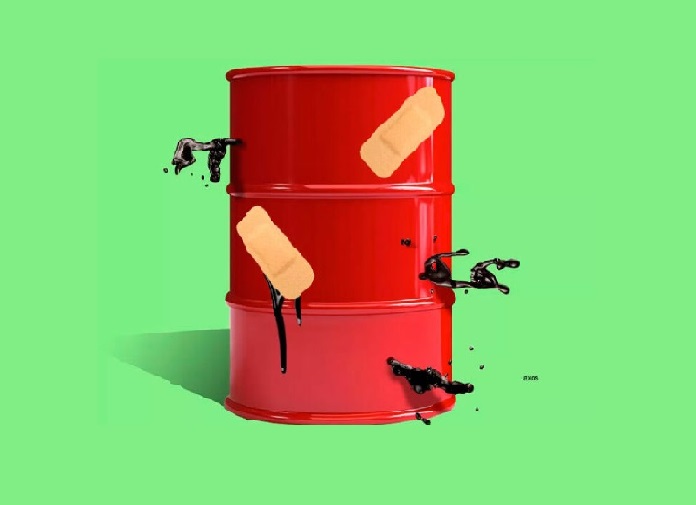
Global markets are bracing for a volatile June as escalating tensions involving Iran and the strategic vulnerability of the Strait of Hormuz threaten to disrupt the worldwide energy supply.
- The Strait of Hormuz is being utilized as a primary geopolitical lever to pressure the United States.
- International bodies, including the IMF, World Bank, and WTO, are convening to mitigate economic fallout.
- Global oil reserves are reportedly depleting at a record pace, compounding the current crisis.
- Increased energy costs are expected to make global travel more expensive and less frequent.
The Strategic Leverage of the Strait of Hormuz
The Strait of Hormuz has emerged as a critical flashpoint in the current geopolitical struggle between Iran and Washington. Due to its role as a primary artery for global oil shipments, the waterway is being leveraged as a global weapon to exert pressure on U.S. Policy. The potential closure or disruption of this corridor poses an immediate risk to the stability of international energy markets, turning a regional conflict into a global economic concern.

International Coordination Against Economic Shock
In response to the instability, a coalition of the world’s most influential economic and energy organizations has mobilized. The International Energy Agency (IEA), the International Monetary Fund (IMF), the World Bank, and the World Trade Organization (WTO) are meeting to analyze the specific repercussions of the conflict in Iran. These discussions are focused on the systemic risks to global trade and the potential for widespread market contagion if energy supplies are severely curtailed.
Impact on Global Mobility and Tourism
The ripple effects of an energy crisis in the Middle East extend beyond industrial fuel, directly impacting the aviation and tourism sectors. Increased volatility in oil prices is expected to drive up the cost of travel, altering the patterns of global movement.
The closure of Hormuz will not end mass tourism, but travel will be less frequent and more expensive. Umair Waqas
Accelerating Depletion of Energy Reserves
Adding to the immediate geopolitical tension is the broader structural decline of fossil fuel availability. Reports indicate that global oil reserves are currently being exhausted at a record pace. This acceleration of depletion limits the global economy’s ability to absorb sudden supply shocks, making the current instability in the Strait of Hormuz particularly dangerous for long-term economic planning.
