
Unraveling a Prehistoric Environmental Crisis: Ancient Oceans Lost Oxygen Millions of Years Before the End-Triassic Mass Extinction
Recent research has revealed a critical environmental shift in Earth’s history that predates one of the most significant mass extinctions by millions of years. Scientists studying ancient rock formations have uncovered evidence that oceanic oxygen levels began to decline approximately 8 million years before the end-Triassic mass extinction, a cataclysmic event that wiped out nearly 60% of marine and terrestrial species. This discovery not only reshapes our understanding of past climate dynamics but also raises pressing questions about the long-term consequences of environmental disruption.
The Discovery: A New Timeline for Oceanic Collapse
The findings, published in *Nature Communications Earth & Environment*, stem from a study led by geologists at Virginia Tech. By analyzing sedimentary rock layers in Alaska’s Wrangell–St. Elias National Park, the team reconstructed oceanic conditions from 201 million years ago. Their research indicates that oxygen depletion in shallow marine environments began long before the mass extinction, challenging previous assumptions about the timing and triggers of the event.
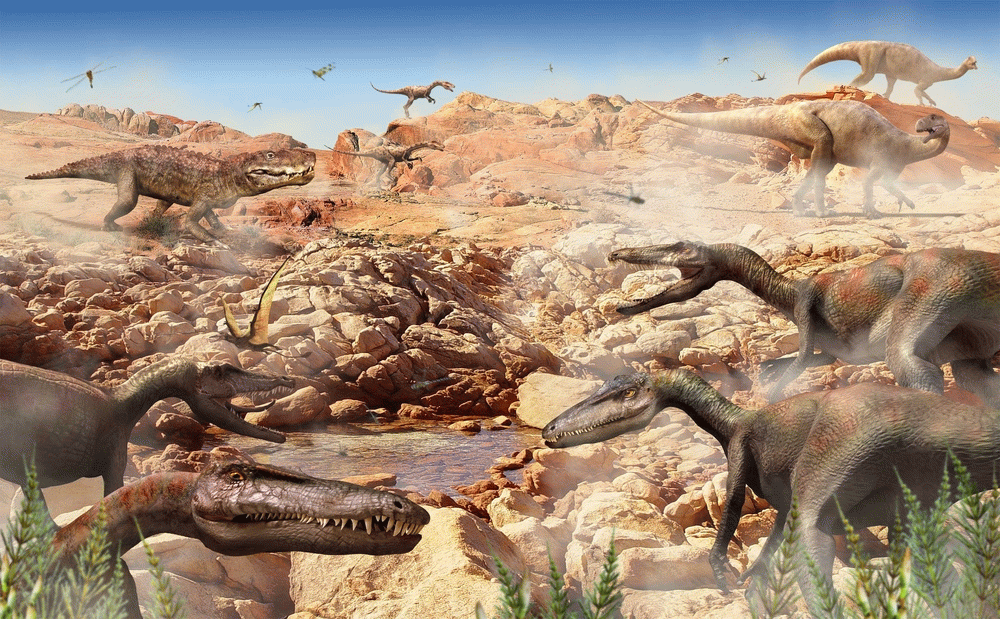
“This is a 200-million-year-old cold case,” said Kayla McCabe, a former graduate student at Virginia Tech and lead author of the study. “The data suggests that the environmental stressors leading to the extinction were already in motion far earlier than we previously thought.”
The research team focused on fossilized shell samples and sedimentary layers, which serve as natural archives of past ocean chemistry. By measuring isotopes of elements like molybdenum and uranium, they inferred the presence of oxygen-depleted waters. These findings align with the theory that volcanic activity during the Triassic period played a pivotal role in altering Earth’s climate and marine ecosystems.
Volcanic Eruptions and the Double-Edged Sword of Climate Change
The end-Triassic extinction is widely linked to the eruption of the Central Atlantic Magmatic Province (CAMP), a massive volcanic event that released vast amounts of carbon dioxide and sulfur dioxide into the atmosphere. This activity triggered global warming, ocean acidification, and widespread ecological disruption. However, the new study adds a layer of complexity: oxygen depletion may have been an early and persistent consequence of these changes.
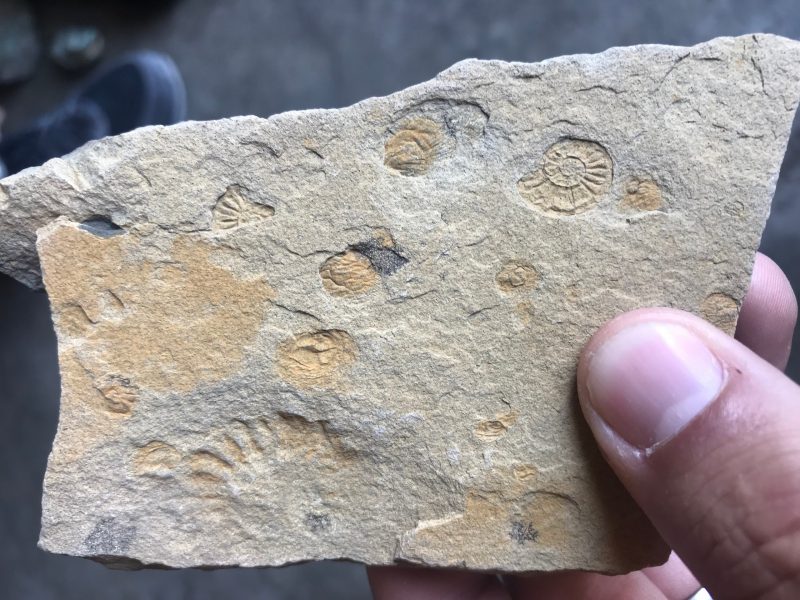
“More acid and less oxygen is like a one-two punch,” said geochemist Ben Gill, a co-author of the study. “It wouldn’t have been a very happy place to be for marine life.” Warmer waters hold less dissolved oxygen, creating “dead zones” where most organisms cannot survive. Simultaneously, increased acidification weakened the shells of marine invertebrates, further destabilizing ecosystems.
Until now, evidence of marine deoxygenation was limited to specific regions. The Virginia Tech team’s work, however, provides a broader geographic context, suggesting that the decline in oxygen levels was not a localized phenomenon but a widespread, multi-million-year process.
Why This Matters: Lessons from the Past for the Present
The implications of this discovery extend beyond paleontology. Understanding how ancient oceans responded to climate stressors offers insights into modern environmental challenges. Today, human-driven climate change is causing similar disruptions, including ocean warming, acidification, and deoxygenation. The Triassic period serves as a critical analog for studying the long-term effects of such changes.
“The Triassic was a time of extreme environmental volatility,” said McCabe. “If we can decipher how ecosystems adapted or failed during that period, we might better predict the resilience of today’s marine life under current climate pressures.”
Scientists warn that modern oceans are losing oxygen at an alarming rate. According to the Intergovernmental Panel on Climate Change (IPCC), global oxygen levels in the ocean have declined by about 2% since the mid-20th century. While this rate is slower than the Triassic event, the cumulative effects could be equally devastating for marine biodiversity.
Reconstructing the Past: Methods and Challenges
Reconstructing ancient ocean conditions requires a multidisciplinary approach. The Virginia Tech team combined geochemical analysis with fieldwork in remote locations, such as Alaska’s Wrangell–St. Elias National Park. This site, accessible only by minor aircraft, provided critical sedimentary layers that spanned the Triassic-Jurassic boundary.
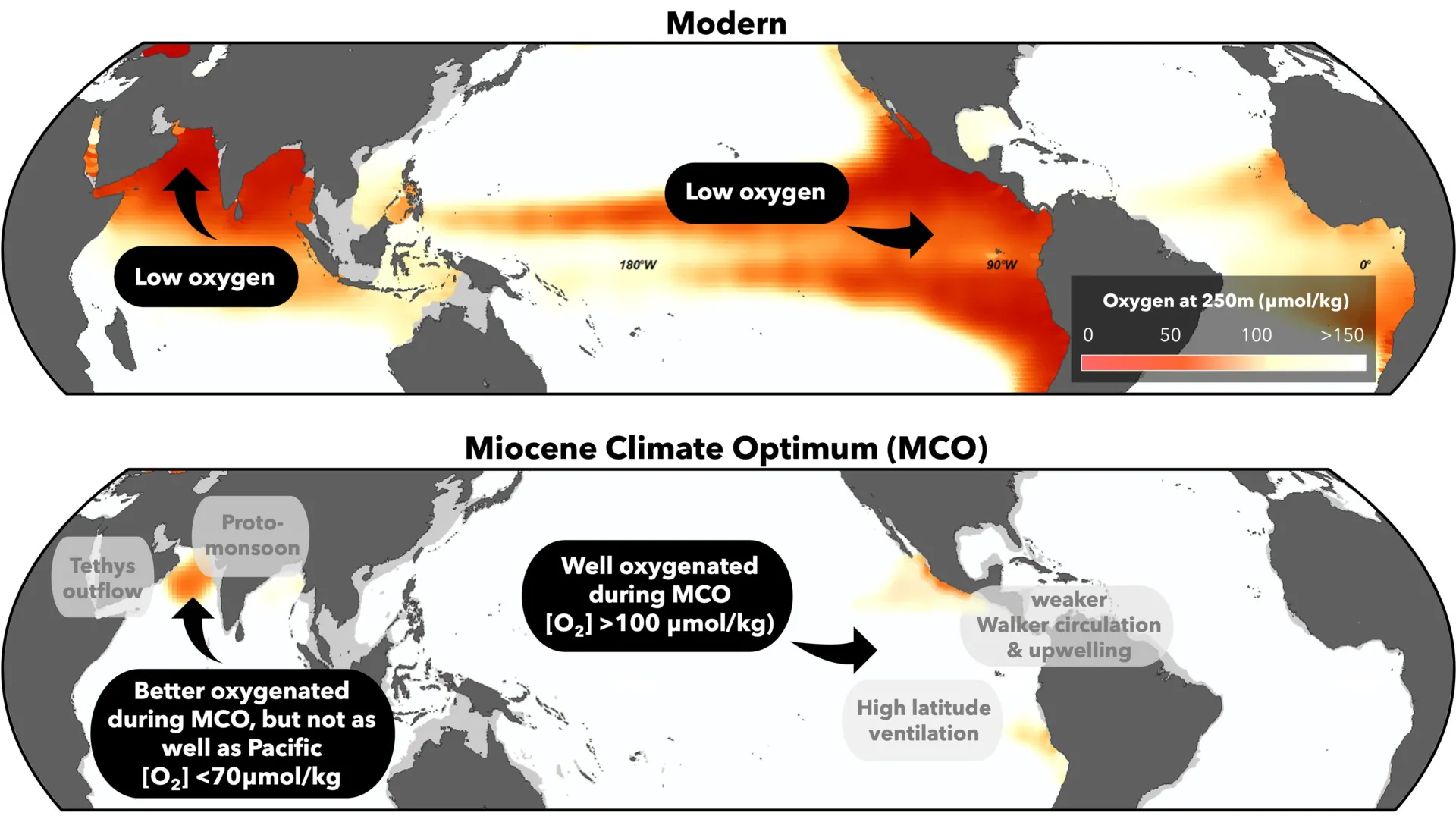
“We’re essentially reading a book written in rock,” said Gill. “Each layer tells a story about the environment at the time it was deposited. By comparing layers before, during, and after the extinction, we can map out the sequence of events.”
The team’s methodology involved analyzing trace metals and organic compounds in sediment samples. For example, molybdenum isotopes can indicate the presence of anoxic (oxygen-deficient) conditions, while uranium concentrations reveal shifts in ocean chemistry. These techniques allowed researchers to pinpoint the onset of deoxygenation with unprecedented precision.
Despite the advances, challenges remain. The Triassic period is a complex and poorly understood era, with limited fossil records and fragmented geological data. “This is a puzzle with many missing pieces,” McCabe acknowledged. “But every new discovery brings us closer to a complete picture.”
Reactions and Broader Implications
The study has sparked interest among geologists, climatologists, and environmental scientists. Many view it as a breakthrough in understanding the interconnectedness of
