
Auckland’s Hybrid and Electric Ferries are Ready, but the Chargers Aren’t – 1News: The Infrastructure Gap Stalling a Green Transition
Auckland is currently facing a paradoxical crisis in its maritime transport sector: the high-tech vessels designed to decarbonize the harbor have arrived, but the shore-side power required to run them effectively is missing. The narrative that Auckland’s hybrid and electric ferries are ready, but the chargers aren’t – 1News has highlighted a significant disconnect between the procurement of sustainable hardware and the preparation of the city’s aging wharf infrastructure.
For a city that prides itself on its “City of Sails” identity and its commitment to reducing carbon emissions, the current situation is more than just a logistical hiccup. It’s a symbol of the broader challenges associated with urban electrification. While the new hybrid-electric vessels represent a leap forward in engineering, their inability to fully utilize electric power due to a lack of charging stations means they are often forced to rely on the very diesel engines they were meant to replace.
The Hardware vs. Infrastructure Divide
The arrival of Auckland’s first hybrid-electric ferries was heralded as a milestone in the city’s transition toward a sustainable public transport network. These vessels are designed to operate in a dual-mode capacity, utilizing battery power for quiet, emission-free maneuvers in the harbor and diesel engines for longer hauls or as a backup. However, the utility of a hybrid system is fundamentally capped by the availability of electricity at the dock.
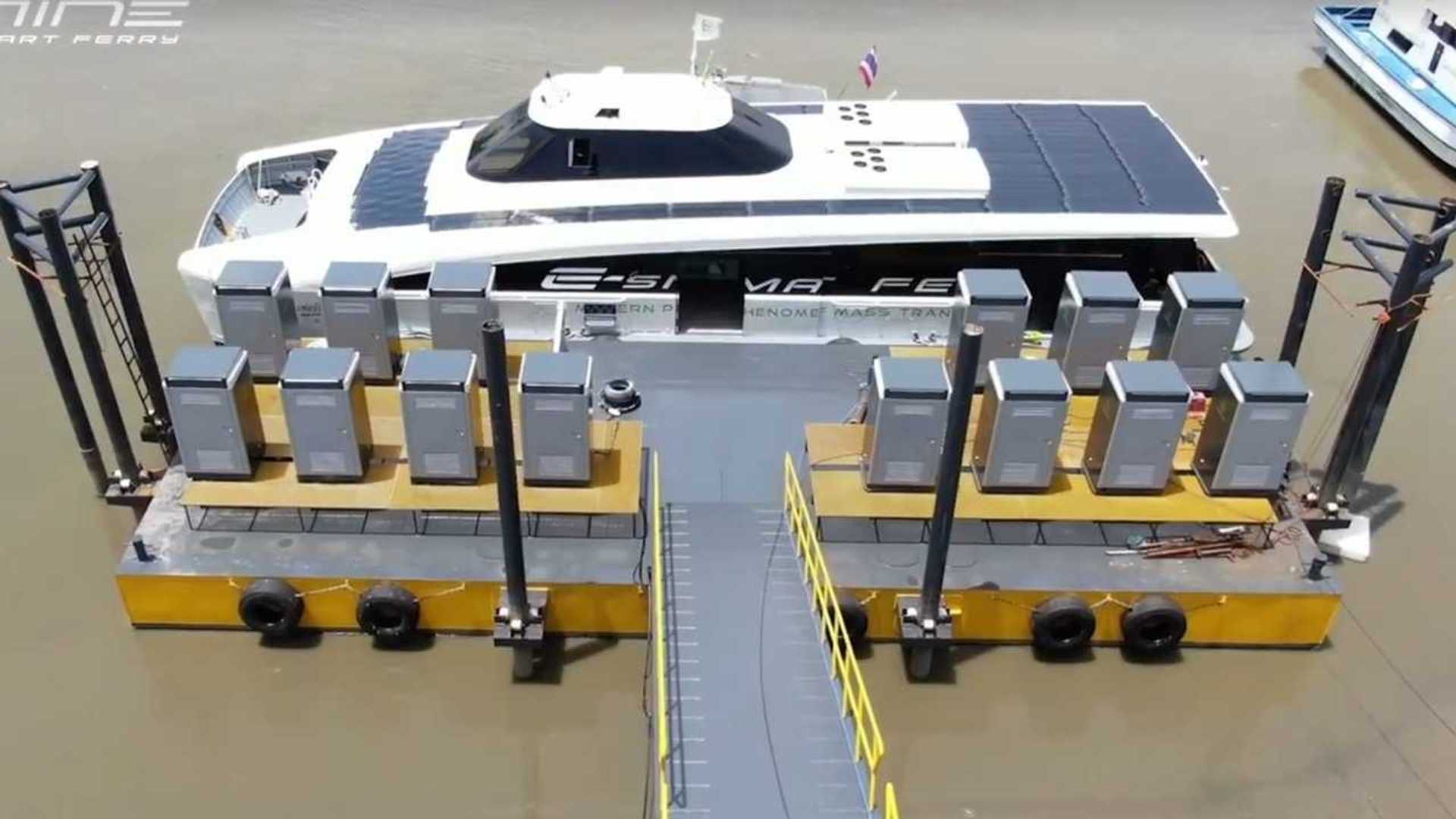
In a perfect operational cycle, these ferries would “top up” their batteries during passenger boarding and unloading. This “opportunity charging” ensures that the vessels can maximize their electric runtime, reducing fuel consumption and noise pollution. Without these chargers, the batteries drain without a reliable way to replenish them, effectively turning a cutting-edge hybrid vessel into a traditional diesel boat with a very expensive, heavy battery pack on board.
The core of the issue is not the ships themselves, but the grid. You cannot run a 21st-century fleet on a mid-20th-century power grid.
The Technical Challenge of Maritime Charging
Charging a ferry is not as simple as plugging in an electric car. The power requirements for a commercial vessel are immense, requiring high-voltage industrial infrastructure that can deliver massive amounts of energy in short windows of time. To implement this, Auckland Transport and the city’s power providers must coordinate the installation of heavy-duty cabling, transformers, and specialized charging arms at multiple berths.
This process involves significant civil engineering work, often requiring the digging up of wharves and the upgrading of local substations to prevent the ferry chargers from crashing the local power grid during peak times. The lag in this infrastructure development has left the new fleet in a state of operational limbo.
Political Friction and the Route Review
The infrastructure failure has not occurred in a vacuum. It has coincided with a period of intense political scrutiny and financial pressure. Mayor Wayne Brown has been vocal about the need for fiscal prudence, leading to a directive to review ferry routes amid a broader fuel crisis and fluctuating patronage numbers.
The “ferry furore” stems from a clash of priorities. On one side is the environmental mandate to move away from fossil fuels; on the other is the immediate economic reality of running a costly transport network. When hybrid ferries are forced to run on diesel because the chargers aren’t ready, the operational costs remain high, undermining the financial argument for the transition.
Key Points of the Current Political Conflict:
- Fiscal Oversight: The Mayor’s office is questioning the viability of current routes and whether the investment in hybrid technology is delivering the expected cost savings.
- Operational Efficiency: There is a growing concern that the city bought the “car” before building the “gas station,” leading to wasted capital.
- Environmental Targets: Climate advocates argue that delaying infrastructure only pushes the city further away from its carbon-neutral goals.
The review of routes is partly a response to the fuel crisis, as the cost of diesel continues to fluctuate. By optimizing routes, the city hopes to reduce the overall fuel burn, but this is a stopgap measure that does not solve the underlying problem of missing charging infrastructure.
Comparing Ferry Propulsion Systems
To understand why the lack of chargers is so critical, it is helpful to compare the different types of propulsion systems currently being discussed for Auckland’s waterways. The transition is not a binary switch from diesel to electric, but a phased evolution.
| Propulsion Type | Energy Source | Infrastructure Needs | Environmental Impact | Operational Limitation |
|---|---|---|---|---|
| Traditional Diesel | Marine Diesel Fuel | Fuel Tankers/Pumps | High Emissions & Noise | High fuel cost & pollution |
| Hybrid-Electric | Diesel + Battery | Fuel Pumps + High-Power Chargers | Moderate/Low Emissions | Inefficient without shore power |
| Full Electric | Battery Only | Heavy-Duty Charging Grid | Zero Local Emissions | Limited range; high downtime for charging |
As shown above, the hybrid model is intended to be the “bridge” technology. However, for a hybrid to be more efficient than a diesel boat, the “Electric” side of the equation must be functional. When the chargers are absent, the hybrid vessel effectively operates as a “Traditional Diesel” boat with added weight, which can actually increase fuel consumption in some scenarios.
The Economic Implications of the Infrastructure Lag
The financial ramifications of this delay are twofold: there is the direct cost of the missing infrastructure and the indirect cost of operational inefficiency.
The “Sunk Cost” Risk
The city has already invested millions into the procurement of hybrid vessels. If these vessels cannot be charged, the return on investment (ROI) is severely diminished. The expected savings on fuel—one of the largest operating expenses for any ferry fleet—are not being realized. This creates a scenario where the city is paying for the premium technology of a hybrid ship but incurring the operating costs of a diesel one.
The Fuel Crisis Connection
The current global volatility in fuel prices makes the lack of chargers even more acute. If Auckland had a functional charging network, the city could hedge against diesel price spikes by shifting more of the load to the electrical grid. Instead, the fleet remains tethered to the fluctuations of the global oil market, making the budget for public transport unpredictable.
This economic instability is what has prompted the current review of routes. If the city cannot lower the cost per passenger kilometer through electrification, it may be forced to cut services or increase fares to cover the diesel bill.
Wider Implications for Urban Decarbonization
The situation in Auckland serves as a cautionary tale for other cities attempting to decarbonize their transport networks. It highlights a common failure in urban planning: the siloing of procurement and infrastructure.
Often, the department responsible for buying new vehicles (the “fleet manager”) operates independently from the department responsible for the physical assets (the “infrastructure manager”). In Auckland’s case, the fleet was upgraded faster than the wharves. This mismatch is a recurring theme in the transition to electric buses and electric cars globally, where the “range anxiety” is not caused by the battery size, but by the lack of plugs.
Lessons from Global Leaders
Cities like Oslo, Norway, have successfully transitioned to electric ferries by taking a holistic approach. They didn’t just buy boats; they redesigned their harbor power grids years in advance. They treated the ferry terminal as a power hub, ensuring that the electrical capacity was in place before the first electric vessel ever touched the water.
For Auckland to recover from its current predicament, it must shift its perspective from “buying ships” to “building a system.” This involves a coordinated effort between Auckland Transport, the local energy providers, and the city council to prioritize the electrical grid as a critical piece of transport infrastructure.
Common Misconceptions About Electric Ferries
You’ll see several oversimplifications regarding the move to electric ferries that often cloud the public debate. Clearing these up is essential for a realistic understanding of the challenge.

Misconception 1: “They can just be charged with standard industrial plugs.”
Reality: The power draw of a ferry battery is astronomical. It requires dedicated high-voltage lines and specialized equipment to manage the heat and current, which cannot be “plugged in” to existing wharf power without risking fire or grid failure.
Misconception 2: “Hybrid boats don’t need chargers; they charge themselves.”
Reality: While some hybrids use regenerative braking or small onboard generators to keep batteries topped up, this is insufficient for primary propulsion. To achieve significant emission reductions, they need high-capacity shore power to replace the bulk of their diesel consumption.
Misconception 3: “The route review is just a way to cut services.”
Reality: While cost-cutting is always a factor, a route review in the context of electrification is also about efficiency. Some routes are better suited for electric power (short, frequent hops), while others may always require diesel or hybrid power (long-distance commutes). Understanding this is key to placing the chargers in the right locations.
The Path Forward: What Needs to Happen
To resolve the issue where Auckland’s hybrid and electric ferries are ready, but the chargers aren’t, the city must move beyond the “furore” and into a phase of aggressive infrastructure deployment. This requires a three-pronged approach:
- Integrated Planning: The procurement of any future vessels must be legally and operationally tied to the completion of the necessary charging infrastructure. No more “ships first, plugs later.”
- Grid Prioritization: The upgrading of wharf power must be treated as an emergency infrastructure project, similar to road repair or water pipe replacement, rather than a secondary “green” initiative.
- Dynamic Route Mapping: The current route review should be used to identify “electric corridors”—routes where the highest volume of passengers can be served with the lowest carbon footprint, allowing the city to prioritize charger installation at the most impactful berths.
If these steps are taken, the hybrid fleet can finally fulfill its promise. Instead of being a symbol of planning failure, these vessels can become the backbone of a quiet, clean, and efficient harbor transit system.
Frequently Asked Questions
Why can’t Auckland just use the existing power on the wharves?
Existing wharf power is generally designed for basic lighting, small equipment, or “shore power” to keep lights and heating on while a ship is docked. It does not have the voltage or amperage capacity to rapidly charge massive propulsion batteries, which requires a significant upgrade to the electrical grid.
Will the lack of chargers make ferry fares go up?
While not a direct cause, the continued reliance on expensive diesel fuel—combined with the high capital cost of the hybrid ships—puts upward pressure on operating budgets. If the city cannot realize the fuel savings promised by electrification, it may look to other ways to cover the deficit.
What is the difference between a hybrid and a fully electric ferry?
A hybrid ferry uses both a battery and a diesel engine, allowing it to switch between power sources depending on the need. A fully electric ferry relies entirely on batteries and must be charged at a station, meaning it has a limited range and requires more frequent, strategic charging stops.
Is this problem happening in other cities?
Yes, many cities face the “infrastructure lag” during the transition to EVs. However, maritime transport is more complex than road transport because you cannot simply install a charger in a parking lot; you have to modify heavy maritime infrastructure and coordinate with port authorities.
How does Mayor Wayne Brown’s route review affect the electric ferry rollout?
The review aims to ensure that ferry services are economically viable. If certain routes are found to be inefficient, the city may change where the ferries run, which in turn changes where the chargers need to be installed. This can create a “chicken and egg” problem where infrastructure is delayed until the routes are finalized.
The transition to a green harbor is an inevitable necessity for Auckland, but it requires more than just the purchase of fancy ships. It requires a foundational investment in the invisible infrastructure—the cables, transformers, and grids—that makes sustainable travel possible. Until the chargers catch up to the vessels, the city’s maritime future will remain partially tethered to the diesel past.
