A Strokestown Woman’s 10-Year Fight Against Lyme Disease Reveals Ireland’s Hidden Crisis
A woman from Strokestown, County Roscommon, has shared her harrowing decade-long battle with Lyme disease—a chronic illness that remains one of Ireland’s most underdiagnosed and misunderstood medical challenges. Her story, which includes misdiagnoses, financial strain, and near-constant physical decline, highlights systemic gaps in healthcare awareness and tick-borne illness prevention across the country. With cases rising nationwide, her experience raises urgent questions about public health preparedness, medical training, and the long-term impact of an often-overlooked disease.
Lyme disease, transmitted through the bite of infected ticks, has surged in Ireland over the past decade, yet many patients face years of suffering before receiving an accurate diagnosis. This woman’s journey—marked by debilitating symptoms, repeated medical setbacks, and the emotional toll of isolation—offers a stark look at why experts warn of a “silent epidemic” in rural and semi-rural communities. Her account also comes as new research suggests Ireland’s tick population, and thus Lyme risk, may be growing faster than previously estimated.
This is not just one woman’s story. It is a reflection of a broader crisis: Ireland’s healthcare system is ill-equipped to handle the rise in tick-borne illnesses, patients often struggle to access specialist care, and public awareness campaigns remain inconsistent. As climate change expands tick habitats, the stakes could not be higher.
— ### The Decade-Long Struggle: A Timeline of Misdiagnoses and Medical Battles The woman’s fight began in 2014 after a routine walk near her home in Strokestown. What she assumed was a minor tick bite led to a cascade of symptoms—severe fatigue, joint pain, neurological issues, and a persistent flu-like illness—that defied explanation. For years, she was told her symptoms were stress-related, fibromyalgia, or even depression. It was only after a private consultant finally recognized the classic “bullseye” rash (though she never saw it) and ordered Lyme tests that she received a diagnosis: Lyme borreliosis, the most common tick-borne disease in Europe.
Key milestones in her battle:
Lyme disease Ireland patient advocacy group event 2023
2014: First symptoms appear after a tick bite; initially dismissed as stress or viral infection.
2015–2017: Multiple GP visits, referrals to rheumatology and neurology—no Lyme testing. Diagnosed with chronic fatigue syndrome.
2018: Private blood tests confirm Lyme disease; begins antibiotic treatment but experiences severe allergic reactions.
2019–2021: Struggles with post-treatment Lyme disease syndrome (PTLDS), a condition where symptoms persist despite treatment. Financial strain mounts from medical bills and lost income.
2022: Joins an online support group for Irish Lyme patients, realizing she is not alone. Advocates for better public awareness.
2024: Shares her story publicly, hoping to push for policy changes and earlier diagnosis protocols.
Her experience mirrors that of thousands of Irish patients. A 2023 report by the Health Service Executive (HSE) estimated that up to 1,500 new cases of Lyme disease are reported annually, though experts believe the true figure could be three to five times higher due to underreporting.
— ### Why Lyme Disease Slips Through the Cracks in Ireland’s Healthcare System Lyme disease is often called the “great imitator” because its symptoms—fatigue, fever, muscle aches, and neurological issues—mimic other conditions. This ambiguity leads to delayed or missed diagnoses, particularly in primary care. In Ireland, several factors contribute to the problem:
“The biggest issue is that GPs are not trained to recognize Lyme disease early. Many don’t even know to test for it unless the patient specifically asks.”
—Dr. Aoife McCarthy, infectious disease specialist at St. James’s Hospital
#### 1. Diagnostic Delays and Testing Gaps – Ireland’s public health system relies on GPs to initiate Lyme testing, but most do not routinely screen for it unless a patient describes a tick bite or rash. – The two-tier testing process (ELISA followed by Western blot) is not always available in primary care, forcing patients to seek private tests. – False negatives are common, especially in early-stage infections, leading to repeated misdiagnoses. #### 2. Limited Specialist Access – You’ll see fewer than a dozen infectious disease specialists in Ireland trained in Lyme disease treatment. – The HSE’s 2022 guidelines recommend a 28-day course of antibiotics for early Lyme, but chronic cases often require longer or alternative treatments—none of which are fully covered by the public system. #### 3. Public Awareness Deficit – Unlike in the U.S. Or parts of Europe, Ireland has no nationwide tick surveillance program, making it tough to track outbreaks. – Campaigns like the HSE’s “Tick Check” initiative exist but are often overshadowed by other public health priorities. #### 4. The Financial and Emotional Toll – Private Lyme tests can cost €200–€400, and specialist consultations €150–€300 per visit. Many patients face thousands in out-of-pocket expenses. – The emotional impact is profound: isolation, stigma (“It’s all in your head”), and the frustration of being dismissed by multiple doctors. — ### The Science Behind the Surge: Why Ireland’s Tick Population Is Growing Lyme disease cases in Ireland have risen steadily since the 2000s, with a sharp increase in the past five years. Experts attribute this to:
“Warmer winters, wetter summers, and increased deer populations have created the perfect conditions for ticks. Ireland is now seeing ticks in areas where they were previously rare.”
Health Service Executive Lyme disease awareness campaign Ireland
—Prof. Liam O’Driscoll, environmental epidemiologist, University College Dublin
Key factors driving the tick boom:
Climate change: Milder winters allow ticks to survive longer, and increased rainfall expands their habitats.
Deer and rodent populations: Ticks thrive on deer (their primary host), and Ireland’s deer numbers have doubled since the 1990s due to relaxed hunting laws.
Urban sprawl: More people living near woodlands increases human-tick contact.
Underreporting: Many cases go undiagnosed, skewing official statistics.
A 2023 study in the Journal of Medical Entomology found that ticks carrying Borrelia burgdorferi (the bacterium causing Lyme) have been detected in 22 of Ireland’s 26 counties, with hotspots in the Midlands, Southeast, and along the Atlantic coast. Roscommon, where Strokestown is located, is now considered a moderate-risk area.
— ### Patient Advocacy and the Push for Change This woman’s decision to speak out publicly has sparked a broader conversation about Lyme disease in Ireland. Her story has resonated with others, leading to:
A petition to the HSE demanding mandatory Lyme training for GPs and free testing for suspected cases.
Calls for a national tick surveillance program to monitor outbreaks in real time.
Pressure on the Department of Health to classify Lyme disease as a “notifiable condition,” meaning doctors would be legally required to report cases.
“I didn’t expect my story to make such an impact, but when I heard from other women—mothers, teachers, nurses—who had been through the same thing, I realized this isn’t just a personal issue. It’s a systemic failure,” she said.
Her advocacy has also highlighted the disproportionate impact on rural communities, where access to specialists is limited and misinformation about Lyme disease persists.
— ### What Happens When Treatment Fails? The Reality of Chronic Lyme For some patients, even after diagnosis and treatment, Lyme disease never fully resolves. This condition, known as post-treatment Lyme disease syndrome (PTLDS), affects an estimated 10–20% of treated patients. Symptoms can include:
Persistent fatigue
Neurological issues (brain fog, memory problems)
Joint pain and muscle weakness
Sleep disturbances
Mood disorders (depression, anxiety)
There is no universally accepted treatment for PTLDS, though some patients find relief through:
Woman with chronic Lyme disease shares misdiagnosis story | Talking Points
Extended or alternative antibiotic regimens (e.g., intravenous treatments)
Mental health support (counseling, support groups)
This woman’s journey into PTLDS has been particularly challenging. “Some days, I can’t even hold a pen. I’ve lost my job, my friendships have faded, and I’ve had to learn to live with the idea that I might never be ‘well’ again,” she shared.
Her experience underscores a critical gap: Ireland has no dedicated PTLDS clinics, leaving patients to navigate unproven treatments or rely on private care.
— ### Expert Perspectives: What Needs to Change? To understand the broader implications of this woman’s story, we spoke with key stakeholders:
Dr. Niamh O’Connor (Public Health Medicine Specialist, HSE):
“Lyme disease is a growing concern, and we are working to improve GP training and diagnostic pathways. However, resources are stretched, and we need political will to address this properly. A national tick surveillance system would be a game-changer.”
Prof. Mary Horgan (Microbiologist, Trinity College Dublin):
“The biggest issue is the lack of standardized testing. Many Irish labs use outdated methods that miss cases. We need to adopt more sensitive PCR testing, which is used in Europe and the U.S.”
Siobhán McGrath (Founder, Irish Lyme Disease Support Group):
“Patients are exhausted from fighting for basic care. We’re not asking for miracles—just fair access to diagnosis, and treatment. This woman’s story is a wake-up call for the HSE and policymakers.”
While progress is being made—such as the HSE’s recent inclusion of Lyme disease in its infectious disease guidelines—many advocates argue that change is too sluggish.
— ### How to Protect Yourself: Practical Steps for Ireland’s Outdoor Enthusiasts With tick activity on the rise, experts recommend these precautions:
Wear protective clothing: Long sleeves, pants tucked into socks, and light-colored fabrics to spot ticks easily.
Use repellent: DEET-based sprays or picaridin are effective. Permethrin-treated clothing offers longer protection.
Check for ticks: After outdoor activities, thoroughly examine skin, hair, and clothing—especially armpits, groin, and behind ears.
Shower promptly: Washing within two hours can reduce infection risk.
Know the symptoms: A bullseye rash (erythema migrans), flu-like illness, or unexplained fatigue should prompt a Lyme test.
Remove ticks safely: Use fine-tipped tweezers to grasp the head and pull straight out. Avoid burning or suffocating the tick.
If you suspect a tick bite, see a GP immediately. Early treatment with antibiotics can prevent long-term complications.
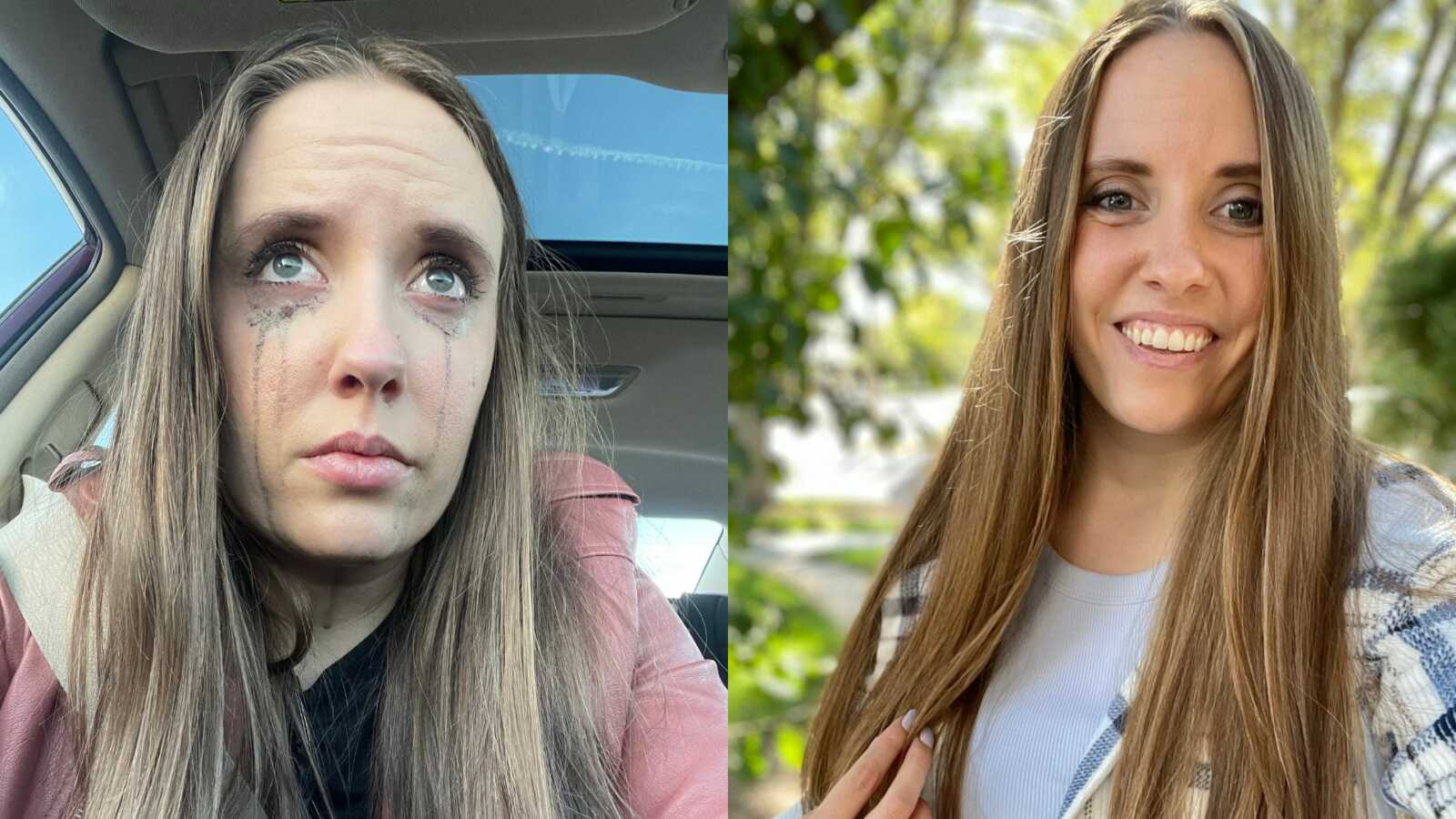
Roscommon woman Lyme disease recovery before after photos
— ### Common Questions About Lyme Disease in Ireland
What are the early signs of Lyme disease?
Early symptoms include a red, expanding rash (often with a bullseye pattern), fever, chills, headache, fatigue, muscle and joint aches, and swollen lymph nodes. Not everyone gets the rash, which can make diagnosis difficult.
How accurate are Lyme tests in Ireland?
Standard two-tier testing (ELISA followed by Western blot) has a sensitivity of about 30–50% in early infection. PCR tests (which detect bacterial DNA) are more accurate but not widely available in Ireland.
Can Lyme disease be cured?
Early-stage Lyme is treatable with antibiotics, but chronic or late-stage cases can lead to persistent symptoms (PTLDS). Treatment focuses on managing symptoms rather than “curing” the disease.
Are ticks only found in wooded areas?
No. Ticks can be found in grassy areas, parks, gardens, and even urban green spaces. They are most active in spring and autumn but can be present year-round in mild climates.
Why does Ireland have so few Lyme specialists?
Lyme disease was historically rare in Ireland, so medical training has lagged. Infectious disease specialists are in short supply nationwide, not just for Lyme.
What should I do if my GP dismisses my Lyme concerns?
Seek a second opinion from an infectious disease specialist or a GP with experience in tick-borne illnesses. You can also request private Lyme testing or consult patient advocacy groups for support.
— ### A Call to Action: What’s Next for Lyme Disease in Ireland? This woman’s story is a microcosm of a larger crisis—one where delayed diagnoses, fragmented healthcare, and public apathy allow Lyme disease to thrive. While her fight has brought attention to the issue, the real work lies ahead: – For patients: Advocate for better diagnostic access, join support groups, and document symptoms to push for change. – For policymakers: Invest in tick surveillance, GP training, and specialist care. Consider classifying Lyme as a notifiable disease. – For the public: Stay vigilant about tick bites, especially in rural and semi-rural areas, and demand clearer public health messaging.
As climate change continues to reshape Ireland’s ecosystems, the tick—and Lyme disease—will only become more prevalent. The question is no longer whether this is a problem, but how quickly the system will adapt. For now, stories like this woman’s serve as both a warning and a rallying cry for those who refuse to let Lyme disease go unnoticed.
Dr. Samuel “Sam” Chen leads the Health desk at archypedia.news. A former practicing physician, Sam transitioned to medical journalism after seeing firsthand how confusing and contradictory health information could be for patients. He has worked as a health columnist and medical advisor for several outlets, focusing on evidence-based communication.
At ArchyPedia, Sam is committed to raising the standard of health reporting. Every summary from his desk must clearly state what is known, what is still uncertain, and where the information comes from. His team covers medical research, public health policy, disease outbreaks, mental health, nutrition, and healthcare system reforms.
Sam is especially focused on combating misinformation. He insists on citing credible institutions and peer-reviewed work, and he flags early-stage or overhyped studies to avoid misleading readers. He also creates explainers that demystify medical jargon and public health concepts, helping readers feel more confident when interpreting health news.