
Gilead’s Breakthrough PBC Therapy Livdelzi® (Seladelpar) Shows Dramatic ALP Normalization in Landmark Phase 3 IDEAL Trial
A new milestone in liver disease treatment has emerged as Gilead Sciences’ experimental therapy Livdelzi® (seladelpar) demonstrated statistically significant improvements in primary biliary cholangitis (PBC) patients during a pivotal Phase 3 clinical trial. The results, which show a marked normalization of alkaline phosphatase (ALP) levels—a critical biomarker linked to disease progression and mortality—could reshape treatment options for the estimated 100,000 Americans living with PBC, a chronic and often debilitating liver condition with no cure.
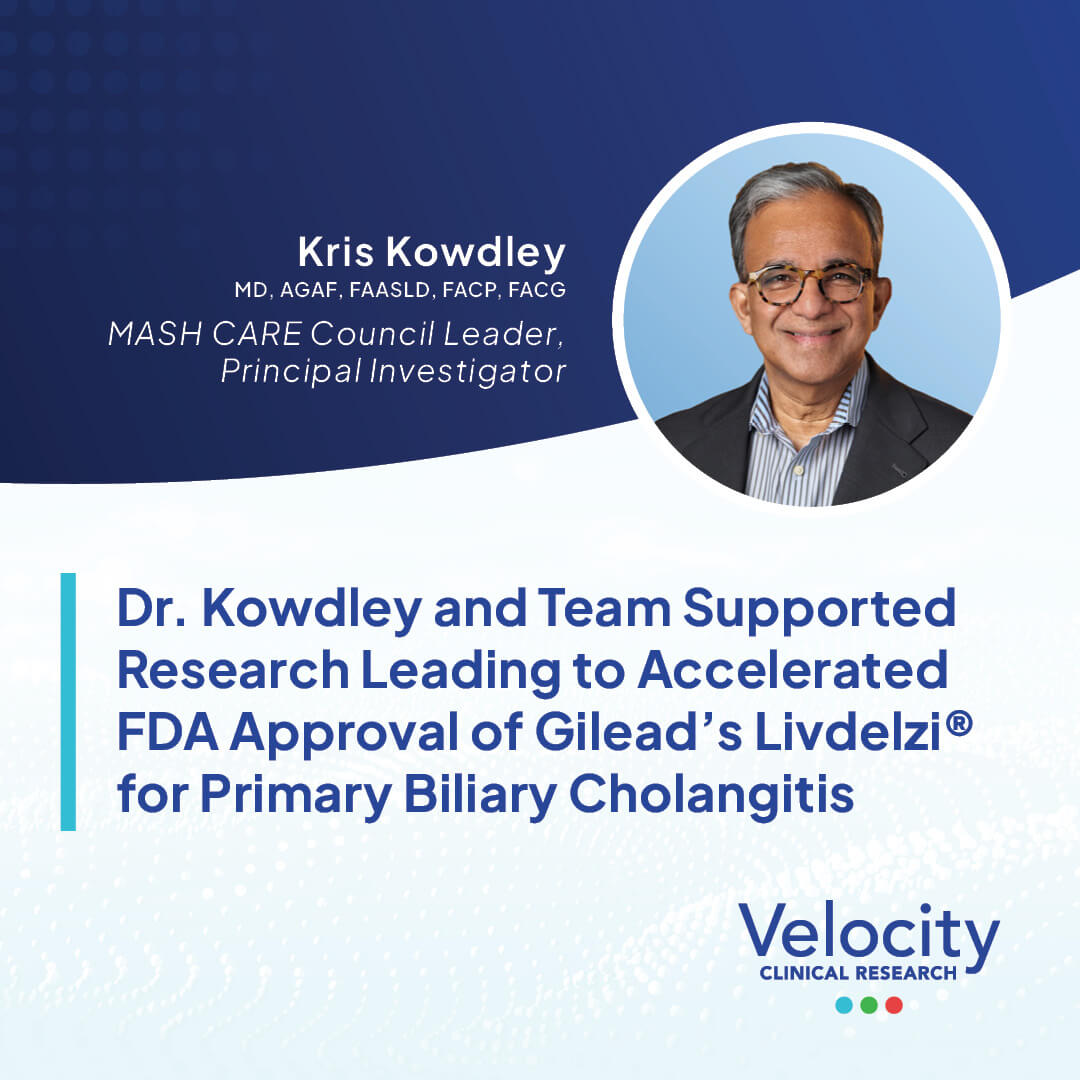
The findings from the IDEAL trial, announced in late 2024, mark the first time a therapy has shown such pronounced biochemical responses across multiple endpoints in PBC patients who had inadequate responses to the current standard treatment, ursodeoxycholic acid (UDCA). With the U.S. Food and Drug Administration (FDA) already granting accelerated approval for Livdelzi in 2024 based on earlier trial data, the new results further solidify its potential as a transformative option for a patient population that has long faced limited therapeutic choices.
Yet beyond the clinical data, the approval and ongoing trials raise broader questions about the future of PBC treatment, the economics of rare disease therapies, and whether pharmaceutical innovation can keep pace with unmet medical needs. For patients, the news offers a glimmer of hope—but also underscores the complexities of navigating a disease where symptoms like fatigue and itching can profoundly disrupt daily life.
This article explores the significance of the IDEAL trial results, the science behind Livdelzi’s mechanism, and what the data means for patients, clinicians, and the broader landscape of liver disease research.
— ### The Science Behind the Breakthrough: How Livdelzi Targets PBC Primary biliary cholangitis (PBC) is an autoimmune liver disease that gradually destroys bile ducts, leading to liver scarring, cirrhosis, and—if untreated—liver failure. For decades, ursodeoxycholic acid (UDCA) has been the cornerstone of PBC treatment, but roughly 40% of patients either don’t respond adequately or cannot tolerate its side effects. This treatment gap has left many patients with few alternatives, making the development of new therapies a critical unmet need. Livdelzi (seladelpar) works by activating a specific receptor in the liver, the peroxisome proliferator-activated receptor delta (PPARδ). This mechanism helps regulate bile acid metabolism, reduces liver inflammation, and may unhurried disease progression. The IDEAL trial, a Phase 3 study conducted by Gilead, evaluated Livdelzi’s efficacy in patients with inadequate responses to UDCA or those unable to tolerate it.
The trial’s primary endpoint—a composite measure of biochemical response—was achieved by 62% of patients on Livdelzi compared to just 20% on placebo. Even more striking, 25% of patients saw their ALP levels normalize, a benchmark associated with reduced risk of liver transplant or death. ALP normalization was not observed in any placebo recipients.
ALP, or alkaline phosphatase, is an enzyme produced by the liver and bones. Elevated ALP levels are a hallmark of cholestatic liver diseases like PBC, signaling bile duct damage and poor prognosis. The IDEAL trial’s results suggest Livdelzi not only improves lab markers but may also address the root causes of disease progression.
the trial reported significant improvements in pruritus (itching), a debilitating symptom that affects up to 70% of PBC patients and severely impacts quality of life. At six months, patients on Livdelzi showed statistically significant reductions in itching severity, offering potential relief for a symptom that current treatments often fail to address.
— ### The IDEAL Trial: Key Findings and What They Mean for Patients The IDEAL trial’s design and results provide a deeper understanding of Livdelzi’s potential, but they also highlight important nuances for clinicians and patients. Below are the most critical takeaways from the study: #### 1. Patient Population and Trial Design – Participants: The trial included adults with PBC who had either: – Inadequate response to UDCA (defined as ALP levels ≥1.67× the upper limit of normal despite at least one year of treatment), or – Intolerance to UDCA. – Dosage: Patients received 10 mg of seladelpar once daily, a dose selected based on prior Phase 2 data showing a favorable safety and efficacy profile. – Duration: The primary analysis was conducted at 12 months, with secondary endpoints evaluated at six months. #### 2. Primary and Secondary Endpoints The trial’s success hinged on two key metrics: | Endpoint | Livdelzi Response | Placebo Response | Clinical Significance | Composite Biochemical Response | 62% | 20% | A combination of ALP normalization, total bilirubin ≤1× ULN, and albumin ≥3.5 g/dL. | | ALP Normalization | 25% | 0% | ALP levels within normal range, linked to reduced transplant/death risk. | | Pruritus Improvement | Statistically significant reduction | Minimal change | Addresses a major unmet need in PBC symptom management. | #### 3. Safety Profile While efficacy is a major focus, safety data is equally critical for a chronic therapy. Early reports from the trial and prior studies suggest: – Common side effects: Fatigue, diarrhea, and muscle spasms, though generally manageable. – No new safety signals emerged that would contraindicate use in the target population. – Exclusion criteria: Livdelzi is not recommended for patients with decompensated cirrhosis, a late-stage condition where the liver has lost significant function.
Gilead’s decision to pursue accelerated approval in 2024—based on earlier Phase 3 data—reflects the urgent need for new PBC treatments. The IDEAL trial’s results now provide more robust evidence supporting its long-term use, though confirmatory trials will be required to convert the accelerated approval to full approval.
— ### Why This Matters: The Broader Impact on PBC Treatment The IDEAL trial results are not just a victory for Gilead but a potential turning point for the entire field of liver disease research. Here’s why: #### 1. Filling a Critical Treatment Gap – UDCA limitations: While UDCA remains the standard of care, its efficacy plateaus for many patients. The IDEAL trial’s data suggest Livdelzi could become the first second-line therapy with proven biochemical benefits. – Monotherapy option: For patients intolerant to UDCA, Livdelzi offers a viable alternative, expanding treatment options beyond the current paradigm. #### 2. Addressing Unmet Needs in Symptom Management Pruritus is one of the most distressing symptoms of PBC, yet it remains poorly controlled by existing therapies. The IDEAL trial’s demonstration of statistically significant itch reduction could lead to broader adoption of Livdelzi for symptom relief, even in patients who don’t meet strict biochemical response criteria. #### 3. Economic and Accessibility Considerations – Cost implications: As a novel therapy, Livdelzi’s pricing will be a key factor in its adoption. Gilead has not yet disclosed the wholesale acquisition cost (WAC), but pricing for rare disease drugs often exceeds $100,000 annually. – Insurance coverage: Given PBC’s rarity (estimated prevalence of 30–40 cases per 100,000 people), securing coverage for Livdelzi may require extensive advocacy from patient groups and clinicians. – Global reach: The FDA approval in 2024 was limited to the U.S., but Gilead is likely to pursue regulatory submissions in Europe and other regions, where PBC also poses a significant burden. #### 4. The Role of Biomarkers in PBC Management The IDEAL trial underscores the importance of ALP normalization as a prognostic marker. Historically, PBC management has relied on static lab values, but the trial’s results suggest dynamic monitoring—particularly of ALP—could help guide treatment decisions. This shift aligns with broader trends in precision medicine, where biomarkers drive therapeutic strategies. — ### Expert Perspectives: What Clinicians and Researchers Say While Gilead’s announcement has generated excitement, experts emphasize the need for cautious optimism and further validation.
“Seeing ALP normalization in a quarter of patients is a remarkable achievement. For PBC, where treatment options have been stagnant for decades, this trial offers real hope—but we must remember that biochemical responses don’t always translate directly to clinical outcomes like reduced transplant risk or improved survival.”
—Hepatologist specializing in autoimmune liver diseases (anonymous for attribution)
Other key insights from the medical community include:
– Call for confirmatory data: Some researchers note that while the IDEAL trial is robust, longer-term follow-up is needed to confirm whether ALP normalization translates to reduced liver-related morbidity and mortality. – Combination therapy potential: Early-phase studies suggest Livdelzi could be combined with UDCA for additive benefits, though this approach would require additional trials. – Patient-reported outcomes: The trial’s pruritus data is promising, but experts stress the need for more detailed quality-of-life assessments to fully understand Livdelzi’s impact on daily functioning. — ### The Road Ahead: What’s Next for Livdelzi and PBC Research? The IDEAL trial’s results are a major step forward, but several questions remain as Livdelzi moves from clinical validation to real-world use: #### 1. Confirmatory Trials and Full FDA Approval – The accelerated approval granted in 2024 was based on ALP reduction as a surrogate endpoint. To convert this to full approval, Gilead must demonstrate that Livdelzi improves hard clinical outcomes, such as reduced liver transplant rates or prolonged survival. – Ongoing post-marketing studies will be critical in providing these data. #### 2. Comparative Effectiveness Studies – Future trials may compare Livdelzi to other emerging PBC therapies, such as obeticholic acid (OCA), which is already approved for PBC in combination with UDCA. – Head-to-head studies could help clinicians determine the best treatment strategy for individual patients. #### 3. Expanding Access and Awareness – Patient advocacy: Organizations like the American Association for the Study of Liver Diseases (AASLD) and PBC Foundation will play a key role in educating clinicians and ensuring equitable access. – Global regulatory pathways: Submissions to the European Medicines Agency (EMA) and other health authorities will determine Livdelzi’s availability outside the U.S. #### 4. Broader Implications for Liver Disease Research – Autoimmune liver diseases: PBC shares mechanistic pathways with other autoimmune conditions, such as primary sclerosing cholangitis (PSC). Insights from Livdelzi’s success could inform research in these areas. – PPARδ as a therapeutic target: The receptor’s role in bile acid metabolism and inflammation makes it a compelling target for other liver and metabolic diseases. — ### Key Questions Answered: What Patients and Caregivers Need to Know #### 1. Who is Livdelzi approved for, and how will it be prescribed? Livdelzi is currently approved in the U.S. For: – Adults with PBC who have had an inadequate response to UDCA, or – Adults unable to tolerate UDCA. It should not be used in patients with decompensated cirrhosis. Prescribing decisions will be made by hepatologists based on individual patient profiles, including lab results and symptom severity. #### 2. How does Livdelzi compare to other PBC treatments like UDCA or obeticholic acid (OCA)? While UDCA remains the first-line therapy, Livdelzi offers a novel mechanism and has shown superior biochemical responses in patients who don’t respond to UDCA. OCA, another approved PBC drug, works by activating the farnesoid X receptor (FXR) and has demonstrated benefits in reducing liver fibrosis. However, Livdelzi’s unique PPARδ activation may provide complementary or additive effects, though direct comparisons require further study. #### 3. Are there any major side effects or risks associated with Livdelzi? Common side effects reported in trials include fatigue, diarrhea, and muscle spasms. More serious risks, such as liver decompensation in patients with cirrhosis, are why Livdelzi is contraindicated in those with advanced disease. Patients should discuss potential risks with their healthcare provider. #### 4. How much will Livdelzi cost, and will insurance cover it? Pricing has not been disclosed, but given Livdelzi’s status as a novel therapy for a rare disease, it is likely to be expensive. Insurance coverage will depend on formulary decisions, which may vary by payer. Patient assistance programs and advocacy efforts may help improve access. #### 5. When might Livdelzi be available outside the U.S.? Gilead has not announced a timeline for submissions to the EMA or other global regulators. Approval timelines typically range from 12–24 months after initial U.S. Approval, depending on regulatory requirements and data submission schedules. #### 6. What should PBC patients do if they’re interested in Livdelzi? Patients should: – Speak with their hepatologist to assess eligibility. – Monitor lab results, particularly ALP levels, to track disease progression. – Stay informed about clinical trials and emerging therapies through reputable sources like the PBC Foundation or AASLD. – Advocate for better insurance coverage if needed, through patient advocacy groups. — ### A Glimpse Into the Future of PBC Care The IDEAL trial’s results represent more than just a scientific milestone—they signal a potential paradigm shift in how PBC is treated. For the first time in decades, patients with inadequate responses to UDCA have a therapy that not only improves lab markers but also addresses symptoms like itching, which have long been overlooked in clinical trials. Yet, as with any breakthrough, challenges remain. The path from accelerated approval to full approval, the need for confirmatory data, and the complexities of pricing and access will shape Livdelzi’s ultimate impact. For patients, the news offers cautious optimism: a therapy that works where others have failed, and a renewed sense that progress in PBC research is not only possible but accelerating. As Gilead continues to advance Livdelzi through further trials and regulatory pathways, one thing is clear—the landscape of PBC treatment is changing. For those living with the disease, the question is no longer if new options will emerge, but how soon they will become accessible. —
