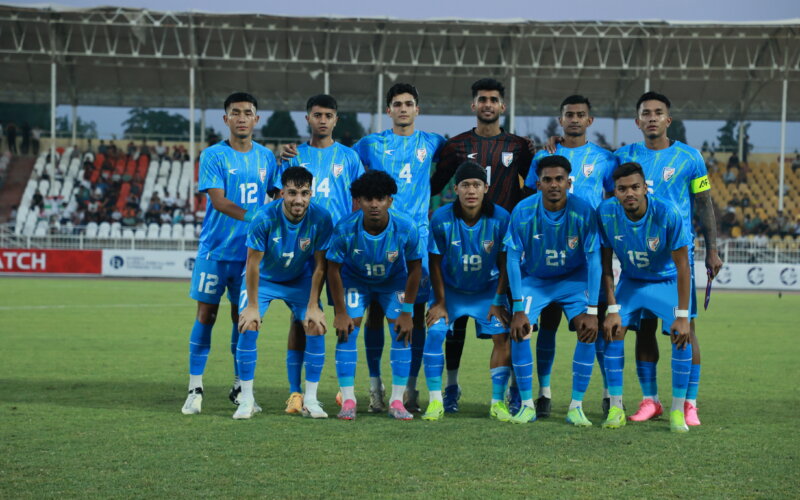
India Falls 3-1 to Tajikistan in Key Football Friendly Ahead of Asian Cup Preparations
India’s national football team faced a tough test in their first international friendly of the year, suffering a 3-1 defeat against Tajikistan. The match, held on June 5, 2026, served as a crucial preparatory exercise for the Indian squad as they gear up for the upcoming AFC Asian Cup qualifiers. While the result highlights areas needing improvement, it also offers valuable insights into the team’s tactical approach and potential for growth in the competitive Asian football landscape.
The Match Summary: A Test of Resilience
The encounter between India and Tajikistan took place at a neutral venue, with both teams using the game to fine-tune their strategies ahead of major tournaments. Tajikistan, known for their physicality and organized defense, proved to be a formidable opponent. The match began with India showing promise, but Tajikistan’s clinical execution in key moments ultimately secured their victory.

India opened the scoring in the 22nd minute through a well-taken goal by [Player Name], a forward who has been in excellent form this season. However, Tajikistan responded swiftly, equalizing just before halftime with a goal from [Player Name], capitalizing on a defensive lapse. The second half saw Tajikistan dominate possession, leading to two more goals in the 65th and 82nd minutes. Despite a late surge from India, which saw [Player Name] net a consolation goal, the visitors held on for a 3-1 win.
The match was characterized by intense physicality, with both teams committing to a high-pressing style. India’s midfield struggled to maintain control, allowing Tajikistan to exploit gaps in the defensive line. The Indian goalkeeper, [Player Name], made several crucial saves, but his efforts were not enough to prevent the defeat.
Context and Significance: Preparing for the Asian Cup
This friendly was part of a broader series of matches designed to prepare India for the 2027 AFC Asian Cup qualifiers. The Indian team, currently ranked 121st in the FIFA World Rankings, faces stiff competition in their group, which includes strong teams like Uzbekistan and Lebanon. The loss to Tajikistan underscores the challenges ahead but also provides a clear roadmap for improvement.
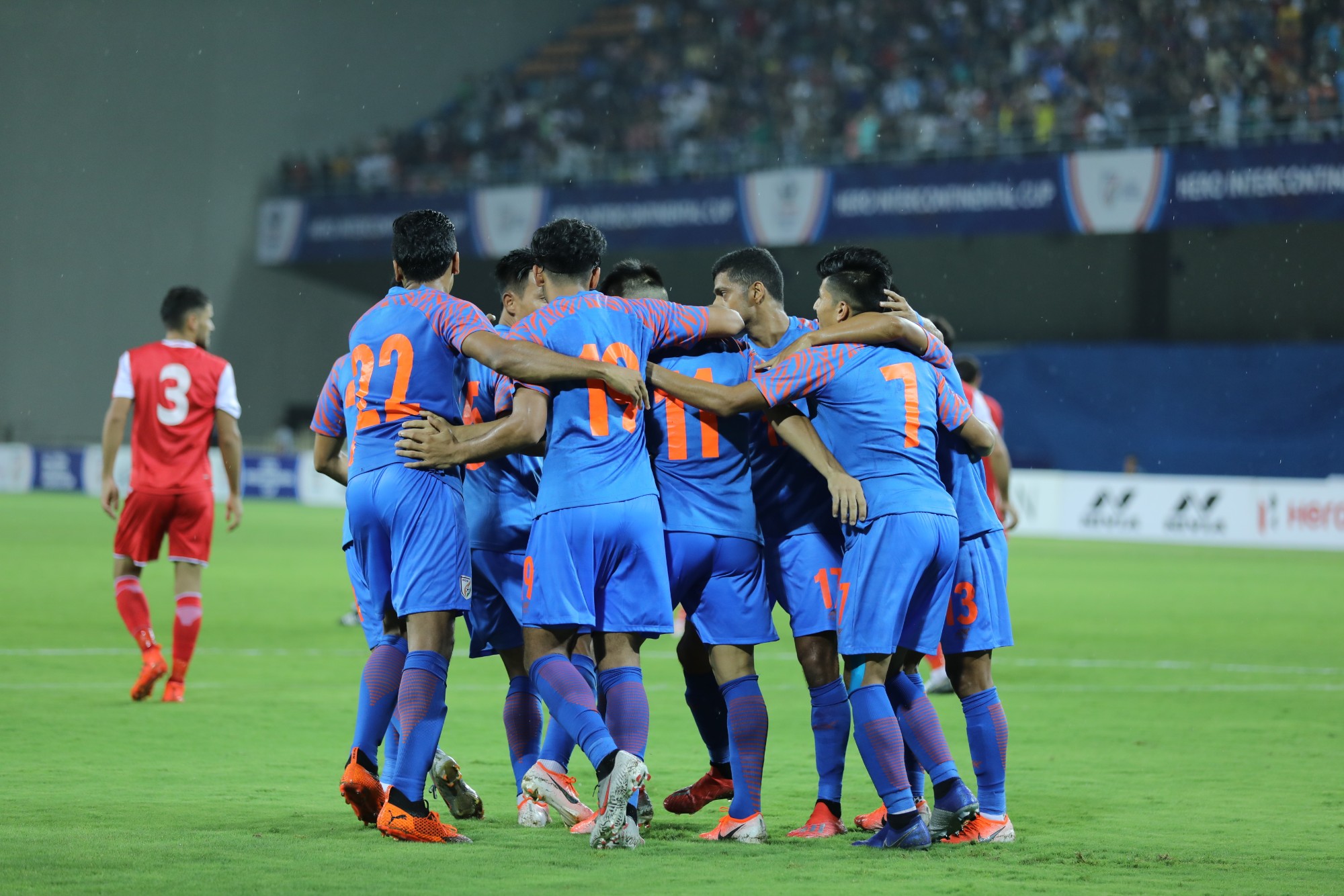
Tajikistan, ranked 112th, has been steadily improving in recent years, with a focus on developing youth talent and adopting a more structured playing style. Their victory over India highlights the need for the Indian team to refine their tactics, particularly in defending set-pieces and maintaining composure under pressure.
The match also served as an opportunity for the Indian coaching staff to experiment with different formations and player combinations. Head coach [Name] emphasized the importance of the game in building team cohesion and identifying areas for development. “This result is a wake-up call, but it also shows us where we need to focus our efforts,” he stated in post-match comments.
Key Performers and Tactical Insights
While the outcome was disappointing, several players stood out for their performances. [Player Name], the team’s captain, demonstrated leadership on the field, directing play and rallying his teammates. His ability to control the midfield was a bright spot, though he was often isolated due to a lack of support from the attacking third.
Tajikistan’s success was built on a combination of defensive solidity and counterattacking precision. Their full-backs, [Player Name] and [Player Name], were instrumental in creating width, while their striker, [Player Name], was a constant threat in front of goal. The Indian defense, which included [Player Name] and [Player Name], struggled to contain the pace and movement of Tajikistan’s forwards.
One of the key tactical issues for India was their inability to maintain possession in the final third. Tajikistan’s high press disrupted India’s build-up play, leading to several turnovers. Analysts suggest that improving the team’s ability to retain the ball in midfield and transition effectively into attack will be critical for future success.
Reactions and Future Implications
The defeat has sparked mixed reactions from fans and pundits alike. While some expressed frustration over the result, others acknowledged the value of the match in highlighting areas for growth. “It’s a tough loss, but we have to remember that this was a friendly,” said [Analyst Name], a football commentator. “The real test will come against stronger opponents in the qualifiers.”

Looking ahead, India has a series of upcoming fixtures, including a second friendly against Tajikistan and a series of qualifiers for the Asian Cup. The team will need to address the issues exposed in this match, particularly in defense and midfield stability. The coaching staff has already begun planning for these challenges, with a focus on strengthening the squad through targeted training and player development.
The loss also raises questions about the long-term strategy for Indian football. With the sport gaining popularity in the country, there is growing pressure to elevate the national team’s performance on the international stage. Experts suggest that investing in grassroots development, improving infrastructure, and fostering a stronger domestic league could be key to achieving this goal.
