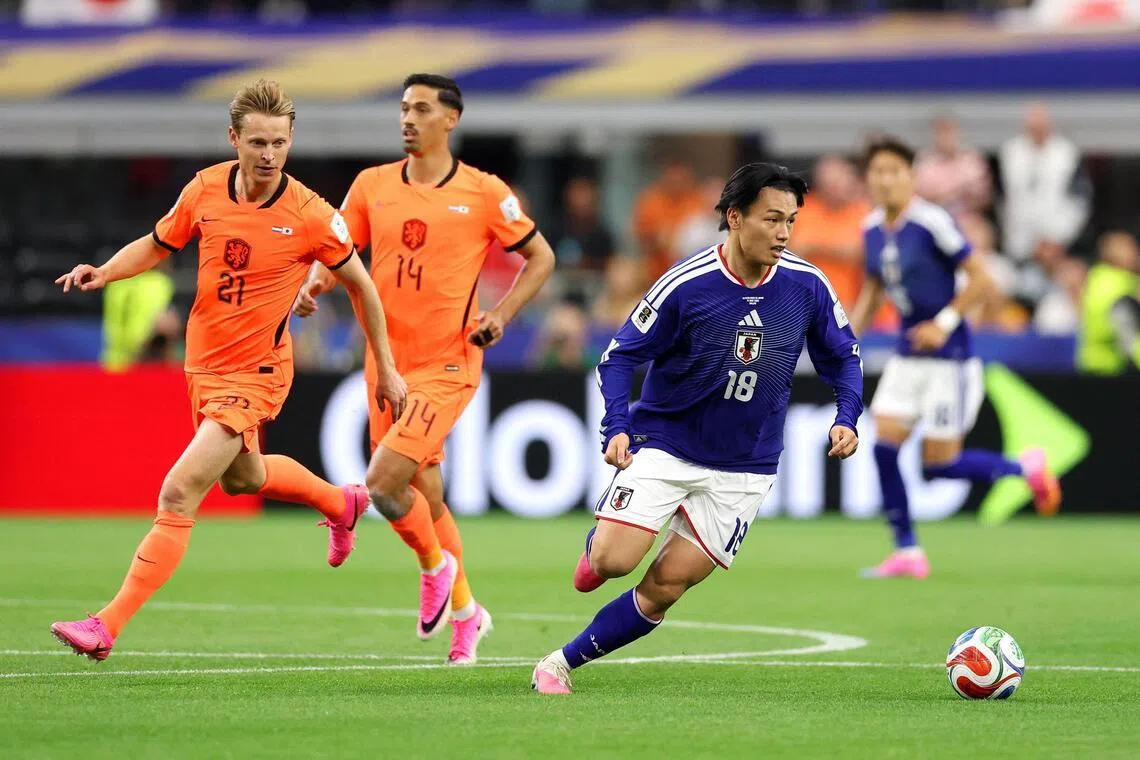
Japan’s National Football Team Ignites Passion in Texas Amid World Cup Fever
Japan’s national football team has generated significant momentum and high expectations in Texas, where supporters in Downtown Plano hosted “Vamos Nippon!” celebrations to cheer on the squad. According to reports from The Straits Times and Star Local Media, the region has transformed into a hub for international fans, featuring a massive presence of Dutch supporters and localized Japanese fan zones, signaling the scale of anticipation for the team’s performance in the region.
What is driving the excitement for Japan’s football team in Texas?
The surge of enthusiasm for the Japanese national team is rooted in a combination of the team’s recent international form and the welcoming sports culture of North Texas. In Downtown Plano, the community organized a “Vamos Nippon!” party, which Star Local Media reports served as a primary gathering point for soccer fans to express their support for the Japanese side. This event highlighted a growing intersection between the local Texas population and the global Japanese diaspora.
The scale of these expectations is captured by the sentiment that “in Texas everything is big, like the hopes on Japan’s football team,” a perspective highlighted by The Straits Times. This framing suggests that the ambition for the team extends beyond mere participation, with fans expecting a deep run in the tournament. The atmosphere in Plano was characterized by high energy and a collective desire to see the team succeed on a global stage.
Key factors contributing to the Japanese team’s appeal in Texas include:
- Community Engagement: Local events in Plano provided a physical space for fans to congregate, turning a sporting event into a cultural celebration.
- Global Visibility: The presence of international media and the team’s high profile have amplified the local excitement.
- Sports Synergy: Texas’s existing passion for high-stakes athletics has provided a fertile ground for the “big hopes” associated with the Japanese squad.
How are Dutch supporters impacting the atmosphere in Texas host cities?
While Japan’s fans are concentrated in specific celebrations, the Dutch national team’s supporters have brought a visually dominant presence to the region. Yahoo News Singapore reports that Dutch fans have brought a “sea of orange” to the World Cup host city, creating a stark visual contrast in the urban landscape. This phenomenon is not limited to stationary gatherings but is mobile, as evidenced by the “Dutch Orange Bus.”
FOX Sports highlighted the “Dutch Orange Bus” as a focal point of the fan experience, serving as both a transport vehicle and a mobile party hub. This strategy allows the “Orange Army” to maintain a constant, high-energy presence as they move between hotels, fan zones, and stadiums. The visibility of the orange attire and the coordinated movement of the fans have turned the host city into a temporary extension of the Netherlands.
The Dutch presence is characterized by a highly organized approach to fandom. According to the reports, the “sea of orange” is more than just a color choice; it is a strategic display of unity and intimidation that accompanies the team wherever they play. This creates a dual-energy environment in Texas, where the focused, celebratory nature of the Japanese fans in Plano exists alongside the sprawling, loud presence of the Dutch supporters.
Why is Texas becoming a focal point for international soccer fans?
Texas is uniquely positioned to handle the influx of international soccer fans due to its existing sports infrastructure and its role as a host for major global events. The ability of cities like Plano and other host hubs to facilitate massive fan gatherings—such as the “Vamos Nippon!” party—demonstrates the region’s capacity for large-scale event management.
The intersection of different sports cultures is also evident in the region’s general atmosphere. BVM Sports noted the high energy surrounding the “Orange Army,” though in some local contexts, this energy overlaps with American football figures like Jameis Winston. This overlap indicates that Texas is not just hosting a soccer tournament but is integrating these international events into a broader, year-round sports ecosystem.
| Fan Group | Primary Location/Method | Key Characteristic | Source |
|---|---|---|---|
| Japan Supporters | Downtown Plano / Fan Parties | “Vamos Nippon!” celebrations | Star Local Media |
| Dutch Supporters | Host City / Orange Bus | “Sea of Orange” visual dominance | Yahoo News Singapore / FOX Sports |
| Local Texas Fans | Regional Hubs | Integration of global sports energy | BVM Sports |
The regional appeal is further bolstered by the “everything is big” ethos of Texas. The Straits Times notes that this cultural trait mirrors the magnitude of the hopes placed on the Japanese team. For international fans, the scale of the venues and the intensity of the local welcome provide an experience that differs significantly from European or Asian hosting environments.
Who are the key stakeholders in the Texas soccer experience?
The current sporting atmosphere in Texas is shaped by several distinct groups, each contributing to the overall energy of the event.
The International Supporters
The Japanese and Dutch fans are the primary drivers of the atmosphere. The Japanese fans, as reported by Star Local Media, focus on community-centric celebrations and targeted support. In contrast, the Dutch fans utilize mobile infrastructure, such as the Orange Bus mentioned by FOX Sports, to project their presence across the host city. These groups bring not only economic value to the region but also a global cultural exchange.
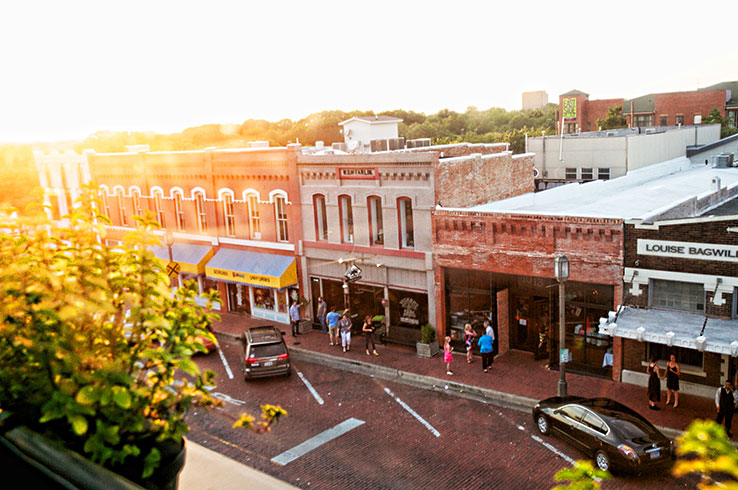
Local Municipalities and Businesses
Cities like Plano have played a critical role by allowing and promoting fan-led events. The “Vamos Nippon!” party in Downtown Plano shows that local government and business owners are leveraging the international presence to boost local visibility and commerce. By providing the space for these celebrations, Texas cities are positioning themselves as world-class destinations for sports tourism.
Media and Broadcasters
Outlets ranging from The Straits Times to FOX Sports and Yahoo News Singapore are framing the narrative of the event. The way these outlets describe the “sea of orange” or the “big hopes” for Japan helps set the expectations for other fans and potential visitors, further increasing the prestige of the Texas host sites.
What are the implications of this international fan surge for Texas?
The presence of thousands of international fans has immediate and long-term implications for the state’s sports economy and global image. In the short term, the influx of supporters increases demand for hospitality, transport, and local services. The “Orange Bus” model used by the Dutch suggests a demand for specialized transport and mobile entertainment services that the city must manage.
Long-term, this event serves as a proof-of-concept for Texas as a premier destination for global athletics. By successfully hosting diverse groups—from the organized “Orange Army” to the passionate Japanese supporters—Texas demonstrates an ability to handle the logistical and cultural complexities of a World Cup environment. This may lead to more frequent bids for international championships in the future.
There is also a cultural implication. The “Vamos Nippon!” events indicate a strengthening of ties between Texas and the Asia-Pacific region. As fans from Japan integrate with local Texans in Plano, the event transcends sport and becomes a diplomatic exercise in soft power and cultural exchange.
Related explainer on global sports tourism trends may provide further context on how such events impact regional economies.
Comparing the fan cultures: Japan vs. The Netherlands in Texas
The reports reveal a distinct contrast in how the Japanese and Dutch supporters occupy space and express their loyalty. The Japanese support system appears more localized and event-based. According to Star Local Media, the focus was on a specific “party” in Downtown Plano, suggesting a concentrated burst of energy and a community-focused approach.

The Dutch approach, however, is characterized by saturation. Yahoo News Singapore’s description of a “sea of orange” and FOX Sports’ mention of the Orange Bus describe a strategy of ubiquity. While the Japanese fans create “destinations” for support, the Dutch fans create a “presence” that follows the team. This contrast highlights two different philosophies of sports fandom: one based on the gathering (Japan) and one based on the procession (Netherlands).
This difference is also reflected in the media coverage. The Straits Times emphasizes the “hopes” and the emotional weight of the Japanese team’s journey, whereas the coverage of the Dutch fans focuses on the visual spectacle and the sheer volume of the crowd. Both contribute to the “big” atmosphere of Texas, but they do so through different mechanisms of expression.
Common misconceptions about the fan presence in Texas
One common oversimplification is that the “Orange Army” refers to a single, monolithic group. While the Dutch fans are a primary component, BVM Sports mentions the “Orange Army” in a context that includes American sports figures like Jameis Winston. This suggests that “orange” is a recurring theme in Texas sports—from college football to international soccer—and not exclusively a Dutch phenomenon. Readers should distinguish between the international soccer “Orange Army” and local American sports affiliations.
Another misconception is that the excitement is limited to the stadiums. The reports from Star Local Media regarding Downtown Plano prove that the “fan zone” extends far beyond the official match venues. The real energy of the tournament is often found in the surrounding cities, where local residents and traveling supporters mingle in non-traditional sporting spaces.
Finally, some may assume the Japanese team’s presence is a minor footnote compared to European powerhouses. However, the “big hopes” cited by The Straits Times indicate that Japan is viewed as a serious contender, with a level of support in Texas that rivals the more established soccer nations.
FAQ: International Football in Texas
Where can fans find Japanese soccer celebrations in Texas?
According to Star Local Media, Downtown Plano has been a key site for celebrations, specifically hosting the “Vamos Nippon!” party for supporters of the Japanese national team.

What is the “Dutch Orange Bus”?
As reported by FOX Sports, the Dutch Orange Bus is a mobile hub used by Netherlands supporters to transport fans and maintain a high-energy, visible presence throughout the host city.
Why is the phrase “everything is big in Texas” used in relation to Japan’s team?
The Straits Times uses this phrase to draw a parallel between the state’s reputation for large-scale everything and the immense hopes and expectations that fans have for the Japanese national team’s success.
How is the Dutch fan presence described in host cities?
Yahoo News Singapore describes the Dutch presence as a “sea of orange,” referring to the coordinated use of orange clothing and accessories by a massive number of supporters.
Is the “Orange Army” only related to soccer?
While it refers to the Dutch soccer fans in an international context, BVM Sports indicates that “Orange Army” terminology and energy also appear in American football contexts within the region, involving figures like Jameis Winston.
The convergence of these global forces in Texas underscores the state’s emerging role as a central pillar of the international football community. As the tournament progresses, the interaction between the “sea of orange” and the “Vamos Nippon!” spirit will continue to define the cultural landscape of the host cities.
