England v New Zealand: Lord’s pitch rated “unsatisfactory” by ICC – BBC
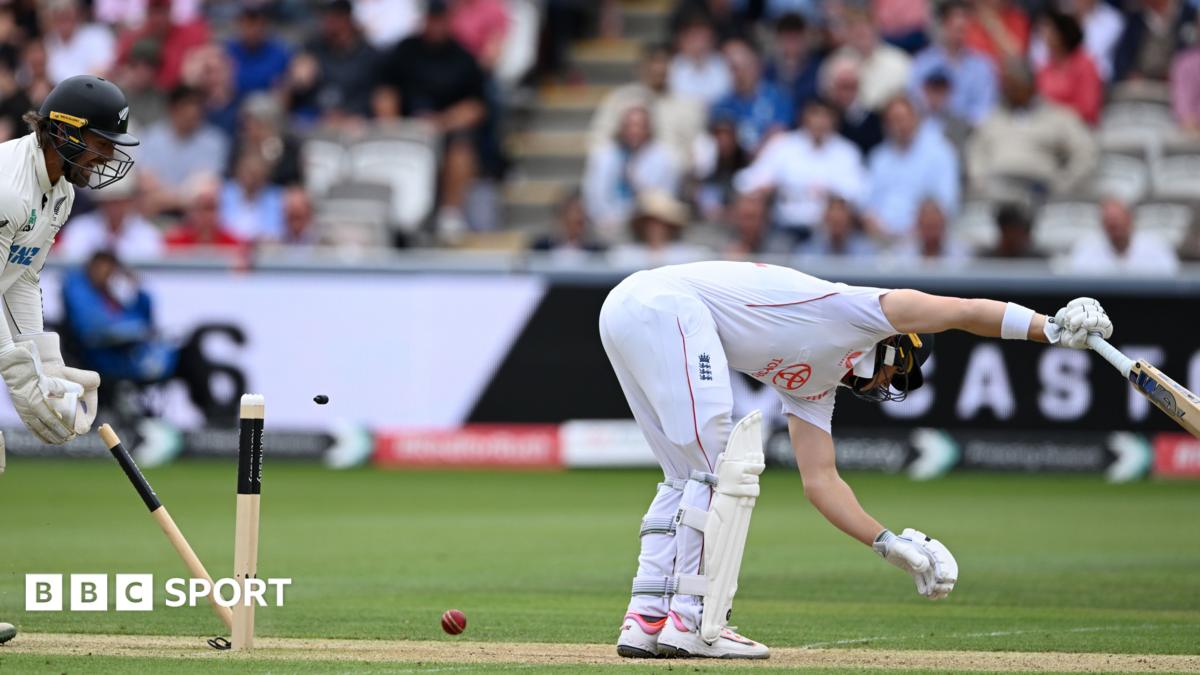
The International Cricket Council (ICC) has rated the pitch at Lord’s as “unsatisfactory” following a Test match between England and New Zealand, according to the BBC. The official rating follows a game where 33 wickets fell in only two days of play, triggering public criticism from England captain Ben Stokes and commentator Nasser Hussain regarding the viability of the playing surface.
Why did the ICC rate the Lord’s pitch as “unsatisfactory”?
The ICC issued the “unsatisfactory” rating after the surface produced extreme conditions that disproportionately favored bowlers and led to a rapid collapse of batting lineups. According to Sky Sports, 33 wickets fell within the first two days of the match, a rate of collapse that suggested the pitch did not provide a fair contest between bat and ball.
The rating system used by the ICC serves as a quality control mechanism for international venues. An “unsatisfactory” rating indicates that the pitch failed to meet the standard expected for a Test match, specifically regarding its balance and longevity. While the ICC does not typically disclose the full technical report, the high volume of early wickets is the primary evidence cited by reporting outlets for the downgrade.
“The pitch is not good enough for Test cricket,” Nasser Hussain stated via Sky Sports, citing the 33 wickets that fell in a 48-hour window.
What was Ben Stokes’ reaction to the playing conditions?
England captain Ben Stokes criticized the surface for creating “extreme conditions” that he believes undermine the integrity of the longest format of the game. According to The Guardian, Stokes argued that the conditions were too severe for a standard Test match.
Stokes expanded on his concerns by linking the quality of the pitch to the global health of the sport. In a report by The Times, Stokes stated that “pitches like this won’t help save Test cricket,” suggesting that when surfaces are too volatile, the game loses its strategic depth and appeal to audiences. The BBC further reported that Stokes believes the Lord’s pitch specifically did not benefit the Test format, which relies on a gradual evolution of the surface over five days rather than an immediate collapse.
The captain’s criticism centers on three main points:
- Lack of Balance: The surface offered too much assistance to bowlers too early.
- Format Integrity: Test cricket requires a surface that allows batters to build innings.
- Public Perception: Volatile pitches can make the format seem less like a skill-based contest and more like a lottery.
How did the MCC respond to the criticism?
The Marylebone Cricket Club (MCC), which manages Lord’s, issued an official apology following the backlash from players and officials. According to The Guardian, the MCC acknowledged the issues with the pitch after Ben Stokes highlighted the extreme nature of the conditions.
The apology suggests an admission that the preparation of the square did not align with the intended requirements for an international Test. The MCC has not detailed specific changes to its curation process but the apology serves as a formal recognition that the surface fell short of the expected professional standard.
Comparing Perspectives on the Lord’s Surface
The reaction to the pitch varied between official bodies and those directly involved in the match. While the ICC provided a technical rating, the players and analysts focused on the sporting implications.
| Stakeholder | Position/Verdict | Primary Concern | Source |
|---|---|---|---|
| ICC | Unsatisfactory | Technical failure to meet pitch standards | BBC |
| Ben Stokes | Not beneficial to format | Long-term survival of Test cricket | The Times / BBC |
| Nasser Hussain | Not good enough | Excessive wicket rate (33 in two days) | Sky Sports |
| MCC | Apologetic | Failure in pitch preparation | The Guardian |
The broader impact on Test cricket viability
The controversy at Lord’s highlights a recurring debate within international cricket regarding the tension between “result-oriented” pitches and “balanced” pitches. When surfaces are designed to ensure a result—often by creating excessive seam or spin early on—they risk becoming “sporting” to a fault, where the contest is decided by the surface rather than the players’ skills.
Ben Stokes’ comments to The Times reflect a wider anxiety about the decline of Test cricket’s popularity compared to shorter formats. The argument is that if Test matches are decided too quickly due to poor pitch preparation, the unique drama of a five-day endurance test is lost. This diminishes the value of the format as a pinnacle of the sport.
The “unsatisfactory” rating by the ICC is more than a slap on the wrist for the MCC; it is a signal to groundskeepers worldwide that excessive bowler-friendly conditions are being monitored. This follows a trend where the ICC has become more stringent about “poor” or “unsatisfactory” ratings to prevent matches from ending prematurely due to artificial surface conditions.
For further context on how these ratings are determined, readers may find a related explainer on ICC pitch grading useful.
Common misconceptions about ICC pitch ratings
A common misunderstanding is that an “unsatisfactory” rating automatically leads to a ban on the venue. In reality, the ICC uses a tiered system of warnings and fines. A single unsatisfactory rating usually results in a formal warning to the venue. However, repeated failures can lead to the venue losing its status as an approved international ground.
Another misconception is that “extreme conditions” are always a result of poor curation. Weather, humidity, and soil composition play significant roles. However, the ICC’s rating focuses on the result—the behavior of the ball on the surface—rather than the intent of the groundsman.
Frequently Asked Questions
What does an “unsatisfactory” ICC pitch rating mean?
According to the BBC, an “unsatisfactory” rating means the pitch did not meet the ICC’s required standards for a Test match. This typically refers to a lack of balance between batting and bowling, often resulting in an excessive number of wickets falling too quickly.
How many wickets fell during the England v New Zealand match?
Sky Sports reported that 33 wickets fell within the first two days of play, which contributed to the ICC’s decision to rate the pitch as unsatisfactory.
Why is Ben Stokes concerned about this pitch?
As reported by The Times and the BBC, Ben Stokes believes that extreme pitches do not benefit the Test format and could hinder the long-term effort to save and promote Test cricket.
Did the MCC admit fault?
Yes. According to The Guardian, the MCC issued an apology after the pitch was criticized for its extreme conditions.
Could Lord’s be banned from hosting Tests?
While the ICC has rated this specific pitch as “unsatisfactory,” a ban is unlikely for a single occurrence. The ICC typically uses a system of warnings and fines for venues that fail to meet standards.
