High-End Audio Evolution: Speakers are Turning the Style Up to 11
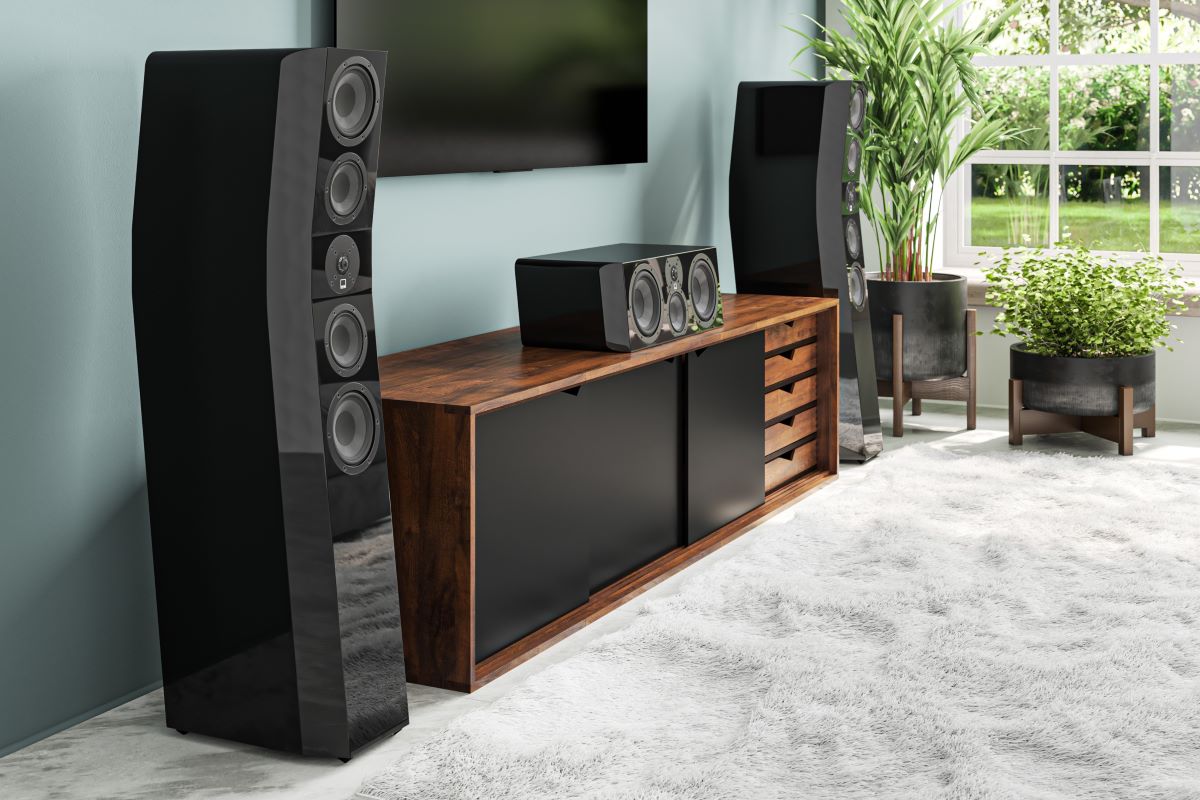
Luxury audio manufacturers are increasingly prioritizing aesthetic design over purely technical specifications, transforming high-fidelity speakers into high-end home decor. According to industry trends highlighted in discussions around the concept that speakers are turning the style up to 11 – Financial Times, this shift reflects a broader movement where audio equipment is marketed as sculptural furniture, utilizing premium materials to appeal to interior design enthusiasts rather than just audiophiles.
Why Audio Equipment is Shifting Toward Luxury Interior Design
For decades, high-end audio equipment followed a strict utilitarian philosophy. The “black box” era dominated, where performance was measured by frequency response and total harmonic distortion, and the physical appearance was an afterthought—often consisting of matte black cabinets and exposed wiring. However, a market pivot is occurring as the boundary between consumer electronics and home furnishings blurs.
Industry analysts point to the “home sanctuary” trend as a primary driver. As remote work and high-end residential investments increased, homeowners began viewing their living spaces as curated galleries. In this environment, a bulky, industrial-looking amplifier or a pair of oversized floor-standing speakers became an eyesore. Manufacturers responded by integrating audio technology into objects that complement, rather than disrupt, a room’s visual flow.
This evolution is not merely about “skinning” a product in a different color. It is a fundamental change in product development. According to design specialists, the current trend involves “invisible tech” or “statement tech,” where the device either disappears into the architecture or becomes the central piece of art in a room. This transition allows brands to move their products from the electronics aisle into the luxury furniture category, where price elasticity is significantly higher.
- The Aesthetic Pivot: Moving from technical utility to visual luxury.
- Target Demographic: Shifting from the “hardcore audiophile” to the “luxury homeowner.”
- Market Positioning: Audio gear is now competing with high-end lighting and designer furniture.
The Materials Driving the New Audio Aesthetic
The shift toward high-style audio is most evident in the materials being used. Plastic and MDF (medium-density fibreboard) are being replaced by materials traditionally found in luxury architecture and high-end cabinetry. This change serves a dual purpose: it elevates the visual prestige of the product and, in some cases, provides acoustic benefits.
Natural Stones and Rare Woods
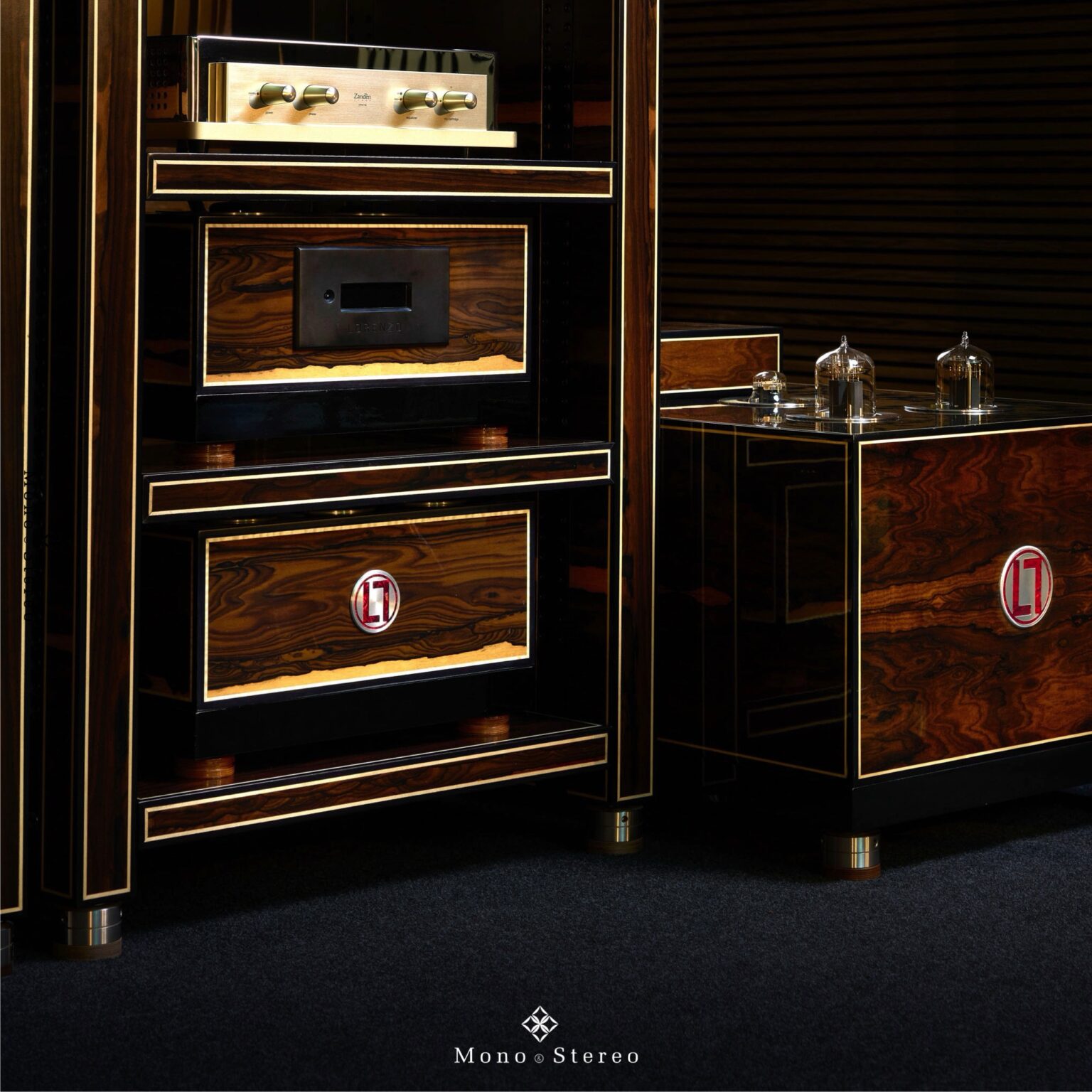
Many luxury brands are now incorporating solid marble, travertine, and walnut into their speaker chassis. Marble is particularly prized not only for its visual weight and prestige but for its density, which can reduce cabinet vibration and improve sound clarity. According to material engineers, the use of heavy stone bases helps decouple the speaker from the floor, reducing resonance.

Architectural Fabrics and Metals
The use of high-performance textiles, such as those from Kvadrat or other luxury weaving houses, has replaced the generic cloth grilles of the past. These fabrics are chosen for their texture, color palette, and ability to blend with sofas and curtains. Simultaneously, brushed aluminum, anodized titanium, and brass accents are being used to create a “jewelry-like” finish on knobs and connectors.
These material choices signal a move toward “tactile luxury.” The goal is to create a product that feels as good to touch as it sounds to the ear, bridging the gap between a piece of technology and a piece of art.
Comparing Traditional Hi-Fi vs. Modern Luxury Audio
The difference between the traditional audiophile approach and the new design-led approach is stark. While the former prioritizes the “sweet spot” of listening, the latter prioritizes the “visual spot” of the room.
| Feature | Traditional Hi-Fi | Modern Luxury Audio |
|---|---|---|
| Primary Goal | Sonic Accuracy / Neutrality | Aesthetic Integration / Statement |
| Materials | MDF, Plastic, Heavy Cables | Marble, Walnut, Designer Fabrics |
| Placement | Optimized for Acoustics | Optimized for Interior Design |
| User Profile | Technical Enthusiast | Design-Conscious Collector |
| Connectivity | Wired / Analog focus | Wireless / Seamless Integration |
The Tension Between Acoustics and Aesthetics
One of the most significant challenges in this trend is the inherent conflict between how a speaker looks and how it works. In the world of acoustics, form usually follows function. For example, a large cabinet is often necessary to move enough air for deep bass, and certain placements—like putting a speaker flush against a wall—can muddy the sound.
When speakers are turning the style up to 11 – Financial Times, designers must find ways to maintain audio quality while adhering to slim profiles or unconventional shapes. This has led to an increase in the use of DSP (Digital Signal Processing). DSP allows engineers to “correct” the sound electronically, compensating for the acoustic shortcomings of a beautiful but non-ideal cabinet shape.

“The challenge for modern audio designers is to ensure that the product doesn’t become a ‘pretty paperweight.’ The luxury consumer expects the sound to match the price tag, even if the form factor isn’t traditionally ‘correct’ for acoustics.”
Furthermore, the move toward wireless connectivity has removed the “cable clutter” that previously plagued high-end systems. The adoption of high-resolution wireless protocols means that a sculptural speaker can be placed anywhere in a room without a trip hazard of copper wires, further enabling the design-first approach.
Economic Implications and the Luxury Market
The transition of audio gear into the luxury decor space has profound economic implications. By rebranding speakers as “furniture,” companies can escape the commoditization of the electronics market. In the tech world, products typically depreciate rapidly as new chips and versions are released. In the furniture world, high-quality pieces often retain value or even appreciate as “classics.”
This shift allows brands to employ a “Veblen good” pricing strategy, where the high price itself becomes part of the appeal. When a speaker is marketed as a handcrafted piece of Italian marble and American walnut, the consumer is no longer paying for a driver and a crossover; they are paying for craftsmanship and exclusivity.
This trend is also fueling collaborations between audio companies and renowned architects or fashion houses. These partnerships allow audio brands to gain entry into the “ultra-high-net-worth” (UHNW) market, where the purchase decision is made by an interior designer rather than a tech reviewer. Related explainer on the rise of stealth technology in luxury homes.
Common Misconceptions About Design-Led Audio
There are several prevailing myths regarding the “style over substance” movement in audio. Correcting these is essential for understanding the current state of the industry.
Myth 1: Design-led speakers sound worse than traditional ones.
While some entry-level “lifestyle” speakers do sacrifice quality, the ultra-luxury segment often uses the increased budget to implement better materials. As mentioned, solid stone and high-density woods can actually improve sound by reducing unwanted resonances more effectively than cheap MDF.
Myth 2: These products are only for people who don’t care about music.
Market data suggests a growing overlap between the “design-conscious” and the “audiophile.” Many buyers are “prosumers” who want the best of both worlds: the ability to hear every detail of a lossless recording and the ability to have their living room look like a page from an architectural digest.
Myth 3: Wireless means lower quality.
With the advent of Wi-Fi 6 and advanced codecs, the gap between wired and wireless high-fidelity audio has narrowed significantly. For the vast majority of listeners, the convenience of a wireless, sculptural speaker outweighs the marginal gains of a dedicated cable run.
The Future of the Audio-Furniture Hybrid
As the industry continues to evolve, the integration of audio into the home is likely to become even more seamless. We are seeing the emergence of “acoustic furniture,” where the speaker is not a separate object sitting on a table, but is built into the table itself, or integrated into wall panels and ceiling installations that are indistinguishable from the architecture.
The next frontier is likely to be adaptive acoustics. Using sensors and AI, speakers will be able to scan the room’s dimensions and material composition (e.g., detecting a glass wall or a plush rug) and automatically adjust their output to ensure the sound is optimized for that specific environment, regardless of where the “style” dictates the speaker be placed.
This convergence of AI, material science, and interior design suggests that the era of the “black box” is permanently over. The focus has shifted from how a speaker performs in a vacuum to how it performs as a part of a lived-in, curated environment.
Frequently Asked Questions
What does it mean when speakers are “turning the style up to 11”?
This phrase refers to the trend of audio manufacturers prioritizing high-end aesthetics and luxury design. Instead of focusing solely on technical specs, brands are creating speakers that function as pieces of art or luxury furniture, using premium materials like marble and rare woods.
Can a designer speaker actually provide high-fidelity sound?
Yes. While some budget “lifestyle” speakers prioritize looks, high-end luxury audio brands use advanced Digital Signal Processing (DSP) and premium materials to ensure that the sonic performance matches the visual appeal.
Why are luxury audio brands using materials like marble and walnut?
Beyond the visual appeal and prestige, these materials are often denser than traditional speaker cabinets. This helps reduce internal vibrations and resonances, which can lead to a cleaner, more accurate sound reproduction.
Is wireless audio as good as wired audio for high-end systems?
For most users, yes. Modern high-resolution wireless protocols provide sufficient bandwidth for lossless audio. The removal of cables also allows for better placement of the speakers according to the room’s design without sacrificing significant audio quality.
Who is the target audience for these high-style speakers?
The target audience has expanded from traditional audiophiles to include luxury homeowners, interior designers, and “prosumers” who value both high-fidelity sound and a curated, aesthetically pleasing home environment.
