SpaceX Soars With Its First Launch as a Public Company, Marking a New Era
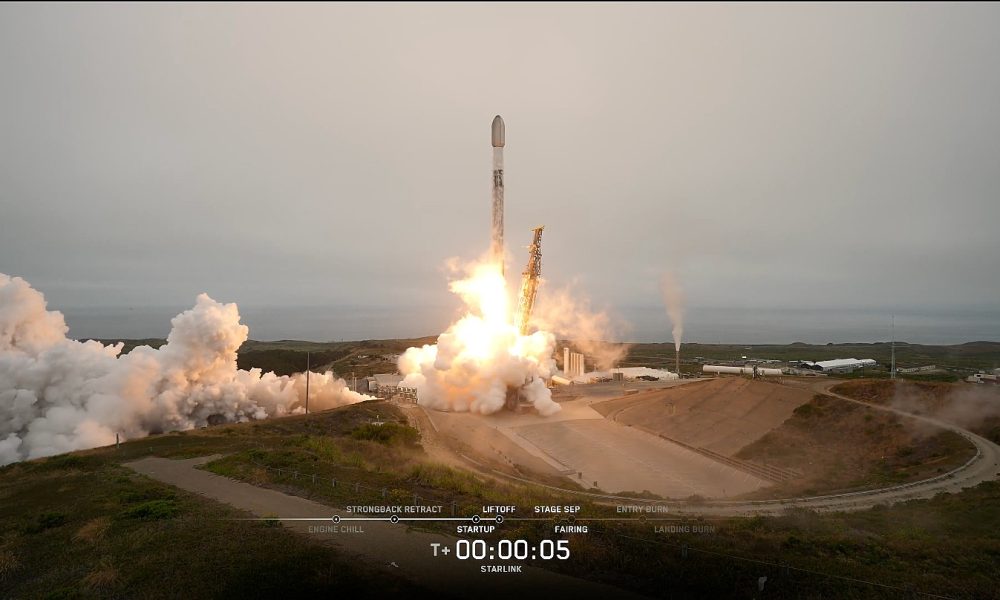
SpaceX launched a Falcon 9 rocket carrying 24 Starlink satellites from Vandenberg Space Force Base, marking its first operational flight since debuting on the Nasdaq. The mission signals a transition for the aerospace firm from a private entity to a publicly traded company, according to reports from Teslarati and Spaceflight Now.
What happened during SpaceX’s first launch as a public company?
SpaceX successfully deployed 24 Starlink satellites into orbit using a Falcon 9 rocket. This mission represents the company’s first return to the launch pad following its initial public offering (IPO) and subsequent listing on the Nasdaq. According to Spaceflight Now, the Falcon 9 performed as expected, maintaining the company’s streak of reliable launches during this high-profile corporate transition.
The mission focused on expanding the Starlink constellation, a project designed to provide high-speed, low-latency internet globally. As reported by Space, the deployment of these 24 satellites is part of a broader strategy to increase the density of the satellite network to support more users and higher data throughput.
Key details of the mission include:
- Vehicle: Falcon 9 rocket.
- Payload: 24 Starlink satellites.
- Launch Site: Vandenberg Space Force Base, California.
- Corporate Status: First flight as a Nasdaq-listed public company.
Why is the Nasdaq debut significant for SpaceX?
The transition from a private company to a public one changes how SpaceX operates, reports its funding, and manages its growth. For years, SpaceX relied on private funding rounds and government contracts. By listing on the Nasdaq, the company now has access to public equity markets, which can provide the massive capital required for its more ambitious projects, such as the Starship program and the colonization of Mars.
Industry analysts noted in SatellitePro ME that public companies face higher levels of transparency and regulatory scrutiny. SpaceX must now file quarterly earnings reports and disclose financial data that were previously kept secret. This shift may impact how the company manages its rapid iteration cycle, as public shareholders often prioritize predictable growth over the “fail fast” approach that characterized SpaceX’s early development years.
The move to a public listing marks a new era for the company, shifting its operational focus toward shareholder value while attempting to maintain its pace of technical innovation.
How does the Starlink mission fit into the company’s broader goals?
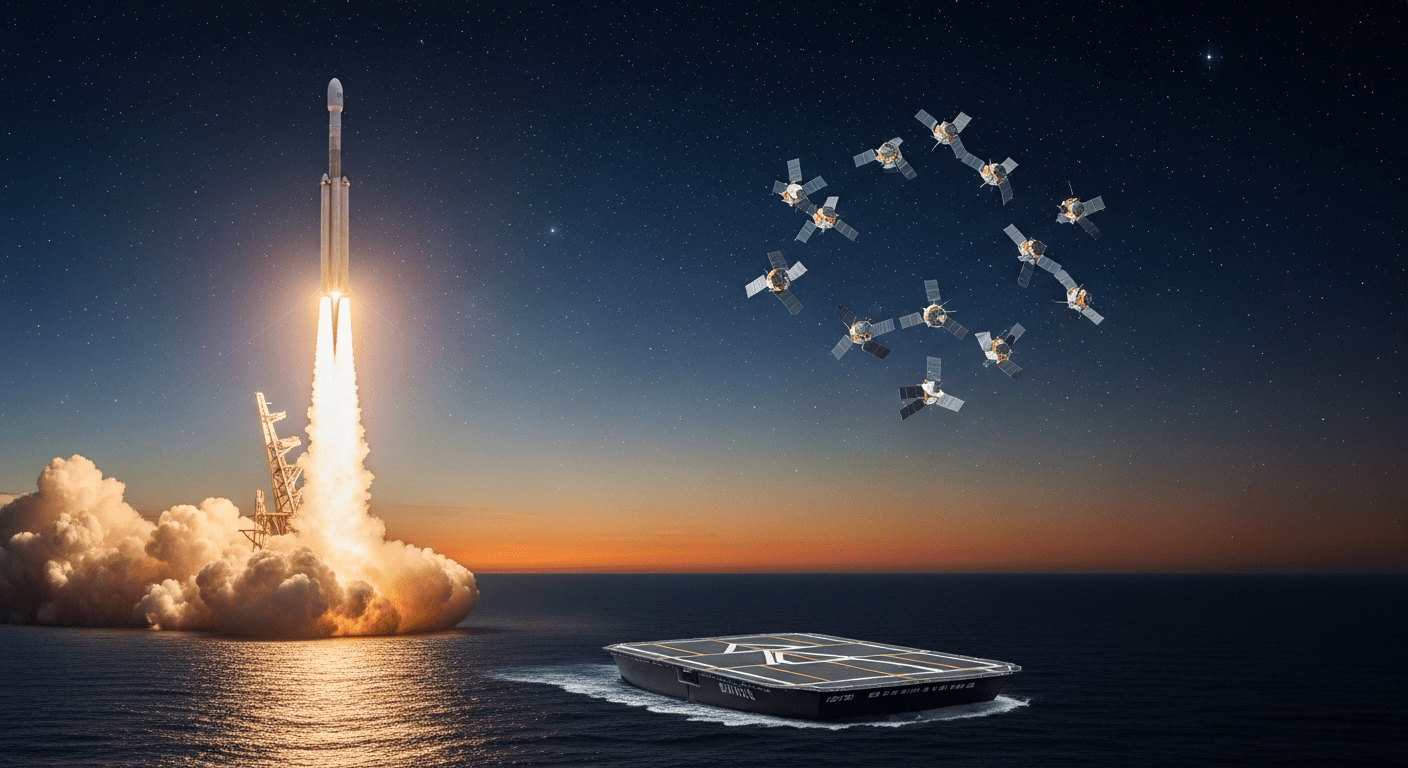
The deployment of 24 satellites is a tactical step in a much larger infrastructure project. Starlink aims to eliminate “dead zones” in global connectivity by placing thousands of small satellites in Low Earth Orbit (LEO). According to Space, this specific launch ensures that the network maintains sufficient coverage as older satellites are decommissioned or drift from their assigned orbits.
The financial side of Starlink is particularly critical now that SpaceX is public. While the Falcon 9 launch business is highly profitable, the Starlink constellation requires immense upfront capital for satellite production and launch costs. Publicly trading shares allow SpaceX to monetize its success in launch services to fund the long-term rollout of the internet constellation.
Below is a summary of the Starlink operational model as it relates to current SpaceX activities:
| Component | Function | Strategic Goal |
|---|---|---|
| Falcon 9 | Reusable Launch Vehicle | Lowering the cost per kilogram to orbit. |
| Starlink Satellites | LEO Communication Nodes | Global broadband coverage. |
| Nasdaq Listing | Public Equity Access | Scaling capital for Starship and Mars missions. |
What is the role of Vandenberg Space Force Base in this launch?
The launch took place at Vandenberg Space Force Base in California. According to AOL.com, the Vandenberg schedule is critical for missions requiring polar or sun-synchronous orbits, which are often necessary for communication constellations like Starlink to ensure they cover the entire globe, including the poles.
Unlike launches from Cape Canaveral in Florida, which are typically used for equatorial or inclined orbits, Vandenberg allows SpaceX to launch south over the Pacific Ocean. This reduces the risk to populated areas and provides the specific orbital trajectory needed for the 24 Starlink satellites deployed in this mission.
The use of Vandenberg also highlights the continued partnership between SpaceX and the U.S. Space Force, as the company utilizes government infrastructure to execute its commercial goals. This synergy is a cornerstone of the current “NewSpace” economy, where private firms handle the logistics of launch while utilizing federal range facilities.
How does a public listing affect the space industry?
The entry of SpaceX into the public market creates a new benchmark for other aerospace companies. Most of SpaceX’s competitors are either legacy government contractors or smaller private startups. When a dominant player like SpaceX goes public, it often triggers a “valuation ripple” across the sector, affecting how investors view the risk and reward of space-based assets.
According to SatellitePro ME, the space and telecom industry is currently seeing a shift toward integrated services. Companies are no longer just building rockets or just building satellites; they are building entire ecosystems. SpaceX’s model—owning the rocket, the satellite, and the service provider—is now a blueprint for other firms aiming for vertical integration.

Potential implications for the industry include:
- Increased Investment: A successful SpaceX IPO could encourage more venture capital to flow into “frontier tech” companies.
- Market Pressure: Competitors may feel pressured to go public or find new ways to compete with SpaceX’s expanded capital base.
- Regulatory Shifts: As SpaceX becomes a public entity, its influence on space policy and regulation may be viewed through the lens of shareholder interests.
For those interested in the technical side of these operations, a related explainer on orbital mechanics can provide more detail on why specific launch sites like Vandenberg are chosen for certain payloads.
Common misconceptions about SpaceX’s public transition
One common misconception is that going public means SpaceX will stop taking risks. Historically, public companies are more risk-averse because a single failure can lead to a sharp drop in stock price. However, the company’s leadership has consistently emphasized a culture of rapid prototyping. Whether this culture can survive the pressure of quarterly earnings calls is a point of debate among industry observers.
Another misconception is that the Starlink satellites are “stationary.” In reality, these are LEO satellites that move rapidly across the sky. This is why SpaceX must launch so many of them—to ensure that as one satellite moves out of range of a user’s ground terminal, another is immediately available to take its place.
What should observers watch for in future launches?
Now that the first launch as a public company is complete, the focus shifts to the frequency and consistency of these missions. Investors will be looking for “launch cadence”—the number of rockets SpaceX can put into the air per year. A high cadence proves that the company can scale its operations to meet the demand of its public valuation.
Additionally, the integration of Starship into the Starlink pipeline will be a critical milestone. While Falcon 9 is reliable, Starship is designed to carry hundreds of satellites at once, which would drastically reduce the cost of constellation maintenance. According to Teslarati, the transition to Starship will be the next major leap in the “new era” that began with the Nasdaq debut.
Observers should also monitor the company’s financial disclosures for the first time. The public will finally see the exact costs of the Starlink program and the profit margins of the Falcon 9, providing a transparent look at the economics of modern spaceflight.
Frequently Asked Questions
Was the first SpaceX public launch successful?
Yes. According to Spaceflight Now and Teslarati, the Falcon 9 rocket successfully delivered 24 Starlink satellites into orbit, marking a successful first mission since the company’s Nasdaq debut.
Where did the launch take place?
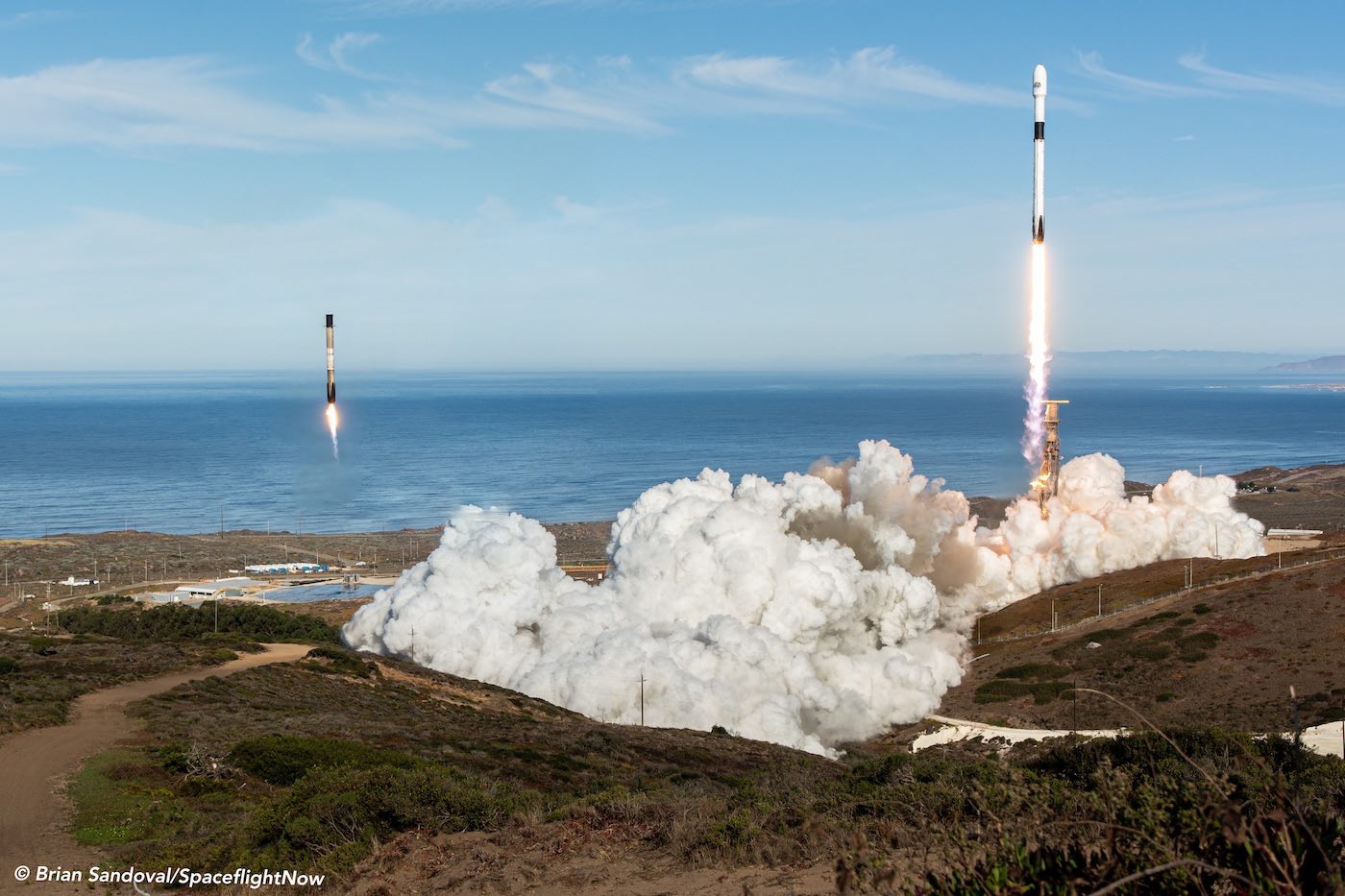
The launch was conducted from Vandenberg Space Force Base in California, a site often used for polar orbit missions, as noted in the Vandenberg schedule reported by AOL.com.
How many satellites were deployed?
SpaceX deployed 24 Starlink satellites during this specific mission, as reported by Space.
What does it mean for SpaceX to be a public company?
Being a public company means SpaceX is listed on a stock exchange (Nasdaq), allowing the general public to buy shares. This provides the company with more capital but requires them to disclose financial data and answer to shareholders.
Why use a Falcon 9 instead of Starship for this mission?
The Falcon 9 is a flight-proven, operational vehicle capable of precise satellite deployment. While Starship is in development and designed for much larger loads, the Falcon 9 remains the primary workhorse for Starlink deployments due to its reliability and current availability.
