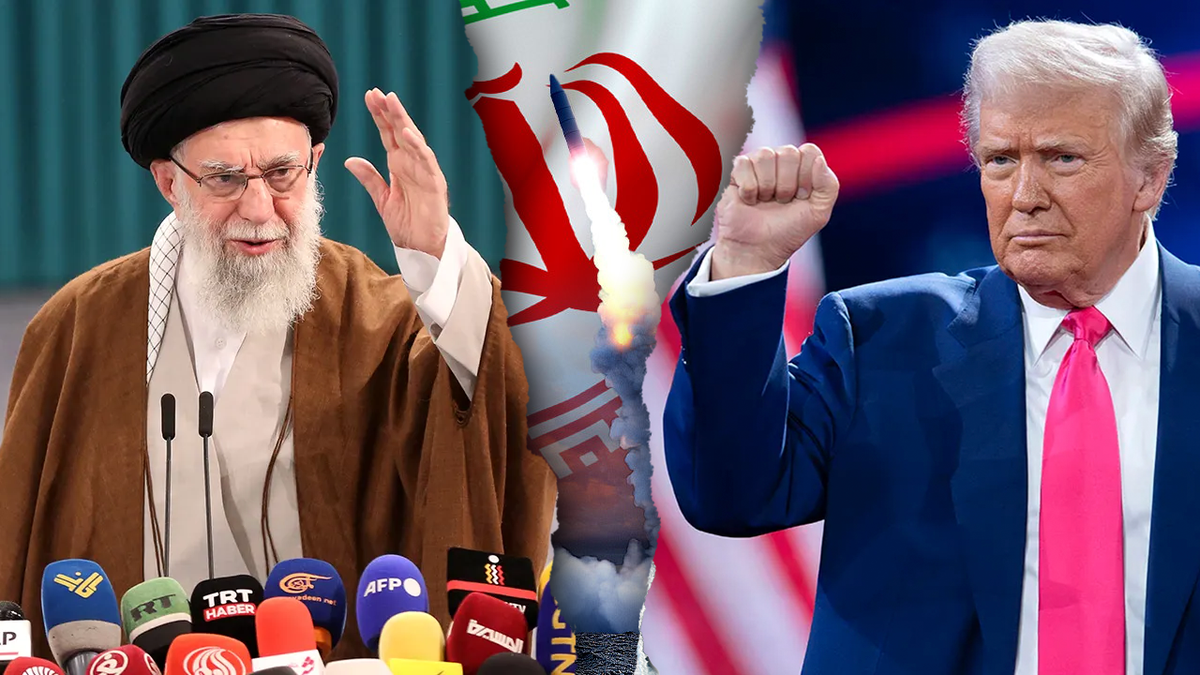
U.S. President Donald Trump, Vice President J.D. Vance, and the leader of the Iranian parliament have signed a one-and-a-half-page principle agreement, according to reports from local media. While the deal marks a formal diplomatic step, Israel has reacted with fury and some U.S. media outlets question whether the agreement achieves any of the administration’s strategic goals.
- Signatories: Donald Trump, J.D. Vance, and the Iranian parliamentary leader.
- Document Length: Approximately 1.5 pages.
- Primary Reactions: Israel expressed anger; U.S. media reported skepticism.
- Core Conflict: Divergent interpretations of the agreement’s terms by Washington and Tehran.
Why the Agreement’s Brevity is Raising Questions
The physical scale of the deal has become a point of focus. According to reports from De Telegraaf, the signed accord between the U.S. and Iran spans only one and a half pages. This brevity has fueled discussions regarding the depth and specificity of the commitments made by both nations.

Conflicting Interpretations of the Deal
Despite the signatures, there are reports that the two nations are not in alignment regarding the document’s meaning. According to NRC, both the United States and Iran are interpreting the principle agreement in their own favor. This discrepancy has led observers to question whether the two parties have actually reached a mutual understanding or if the document is intentionally vague to allow for conflicting narratives.
Skepticism Within U.S. Media
The agreement faces criticism from domestic observers in the United States. According to AD.nl, American media outlets are doubting the efficacy of the deal, specifically noting that none of the administration’s previously stated war goals have been met through this accord.
Israel’s Response to the Accord
The diplomatic move has caused immediate friction with regional allies. According to de Volkskrant, Israel has reacted with fury to the agreement signed between the U.S. and the Iranian leadership.
