
Bloomsday Celebrations in Dublin: A City Honors James Joyce
Residents and visitors in Dublin are gathering to commemorate Bloomsday, the annual celebration of James Joyce’s seminal novel Ulysses, with events spanning the city. The festivities, which began on June 16, include literary readings, reenactments, and cultural exhibits, reflecting the enduring influence of the author on Irish heritage.
What Happened: A City Transformed for Bloomsday
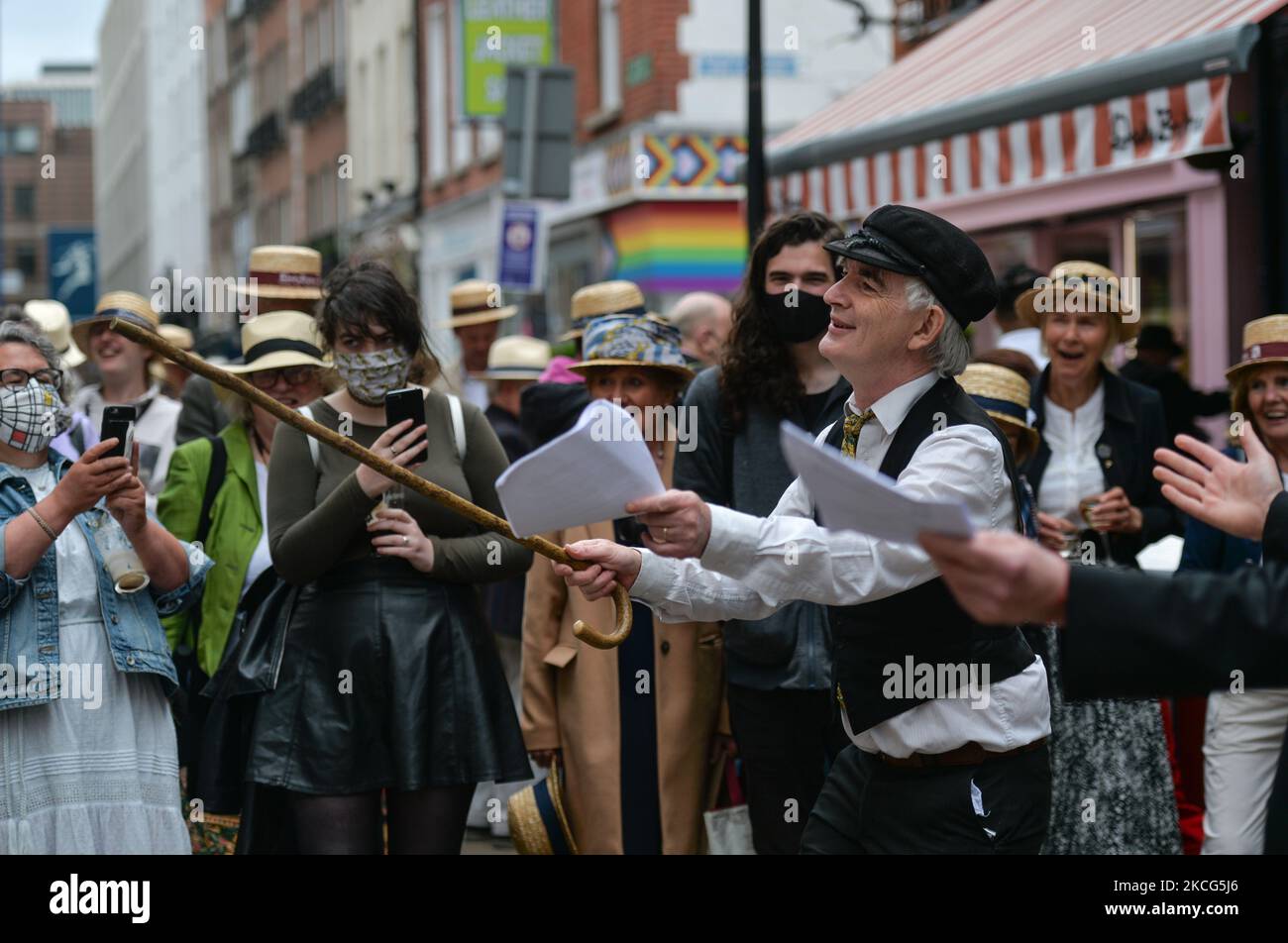
On June 16, Dublin transformed into a living stage for Ulysses, as participants dressed in 1904 attire and retraced the steps of the novel’s protagonist, Leopold Bloom. The day’s events, organized by local cultural groups and institutions, featured a mix of traditional and modern activities. According to a spokesperson for the Dublin City Council, over 10,000 people attended the main procession along the city’s main thoroughfares, with additional gatherings in neighborhoods like Temple Bar and the Liberties.
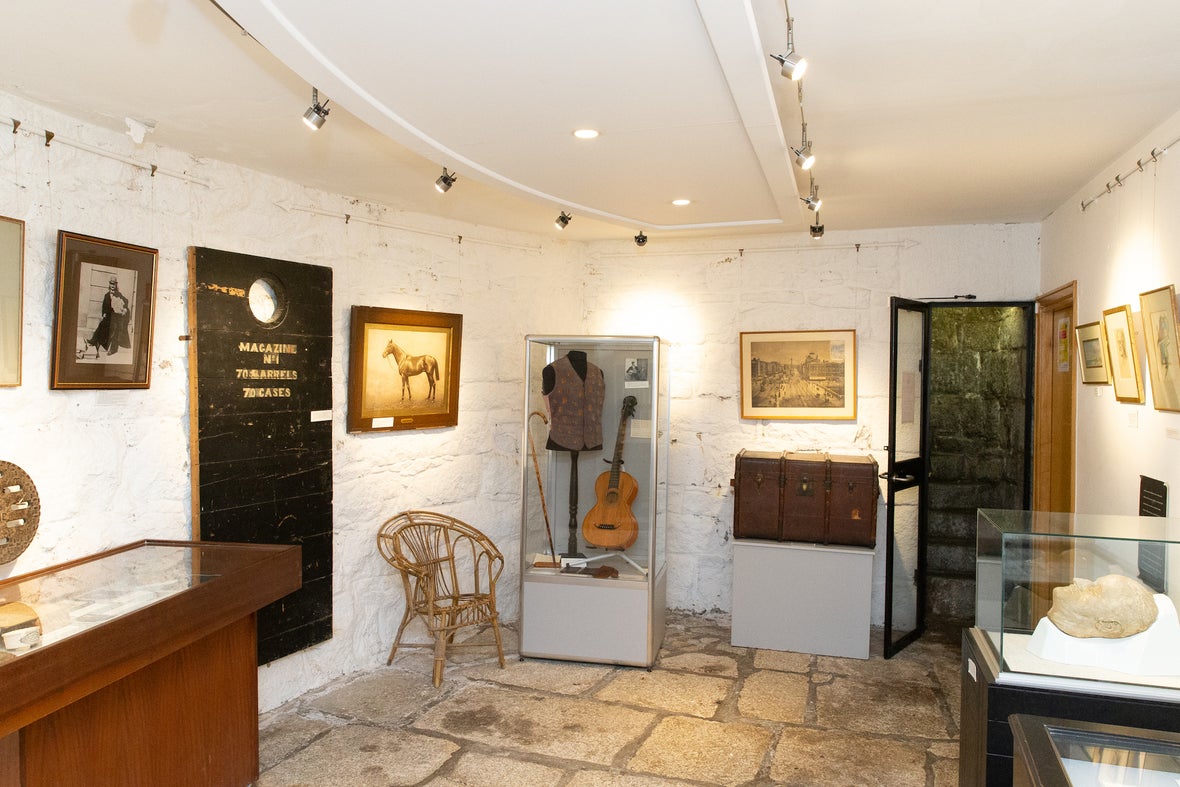
The celebrations began at dawn with a wake-up call for residents, a nod to the novel’s opening scene. By midday, participants gathered at the James Joyce Museum in Sandycove, where a guided tour of the author’s former home included discussions on the historical context of Ulysses. Evening events included a performance of Joyce’s work by local theater troupes, with actors performing scenes from the novel in public spaces across the city.
Key Events and Highlights
- Leopold Bloom’s Walk: A 10-kilometer route retracing the novel’s narrative, featuring 30 stops with historical reenactments and literary commentary.
- Ulysses in the Streets: Street performers and musicians interpreted scenes from the book, with interactive installations in public squares.
- Academic Panels: Scholars from Trinity College Dublin and University College Dublin led discussions on Joyce’s impact on modern literature and Irish identity.
Organizers emphasized the event’s role in fostering community engagement. “Bloomsday isn’t just about the book—it’s about connecting people through shared cultural heritage,” said a representative from the Irish Writers’ Union. “Every year, we see new generations discovering Joyce’s work in a way that feels relevant to their lives.”
Who Is Involved: A Broad Coalition of Stakeholders
The Bloomsday celebrations involve a diverse array of stakeholders, from academic institutions to local businesses. The Dublin City Council, along with the Irish Arts Council, provides logistical and financial support, while private sponsors such as Dublin Airport and local pubs contribute to the event’s scale.
Key organizations include the James Joyce Centre, which hosts the annual Bloomsday Symposium, and the Dublin Festival of Literature, which partners with the city to promote the event. Independent bookstores, such as Hodges Figgis and The Gutter Bookshop, also play a role by hosting special exhibitions and readings.
The involvement of younger audiences is a growing focus. “We’ve seen a surge in college students participating in recent years,” said a festival organizer. “Many are drawn by the opportunity to engage with Joyce’s work in a dynamic, immersive way.”
When and Where: A Citywide Celebration
Bloomsday events are spread across Dublin, with the main procession starting at Parnell Square and winding through the city center. Additional activities take place in areas like the Grand Canal Dock, where a pop-up exhibition on Joyce’s life and work is open to the public. The event’s timing—June 16, the day the novel’s action occurs—adds historical resonance, as the city’s streets mirror the narrative of Ulysses.
Regional events also take place outside Dublin. In Bray, a local bookshop hosted a special Bloomsday edition of its “Joyce in the Park” series, while Galway’s literary community organized a week-long festival featuring readings and workshops. These regional efforts highlight the national significance of Joyce’s legacy.
Why It Matters: Cultural Legacy and Community Impact
Bloomsday is more than a literary event; it is a testament to the enduring relevance of Joyce’s work in shaping Irish cultural identity. Scholars note that the novel’s experimental style and deep engagement with Dublin’s social fabric have made it a cornerstone of modernist literature. “Joyce’s portrayal of the city as a character in itself continues to inspire writers and artists,” said Dr. Maeve Higgins, a literature professor at University College Dublin.
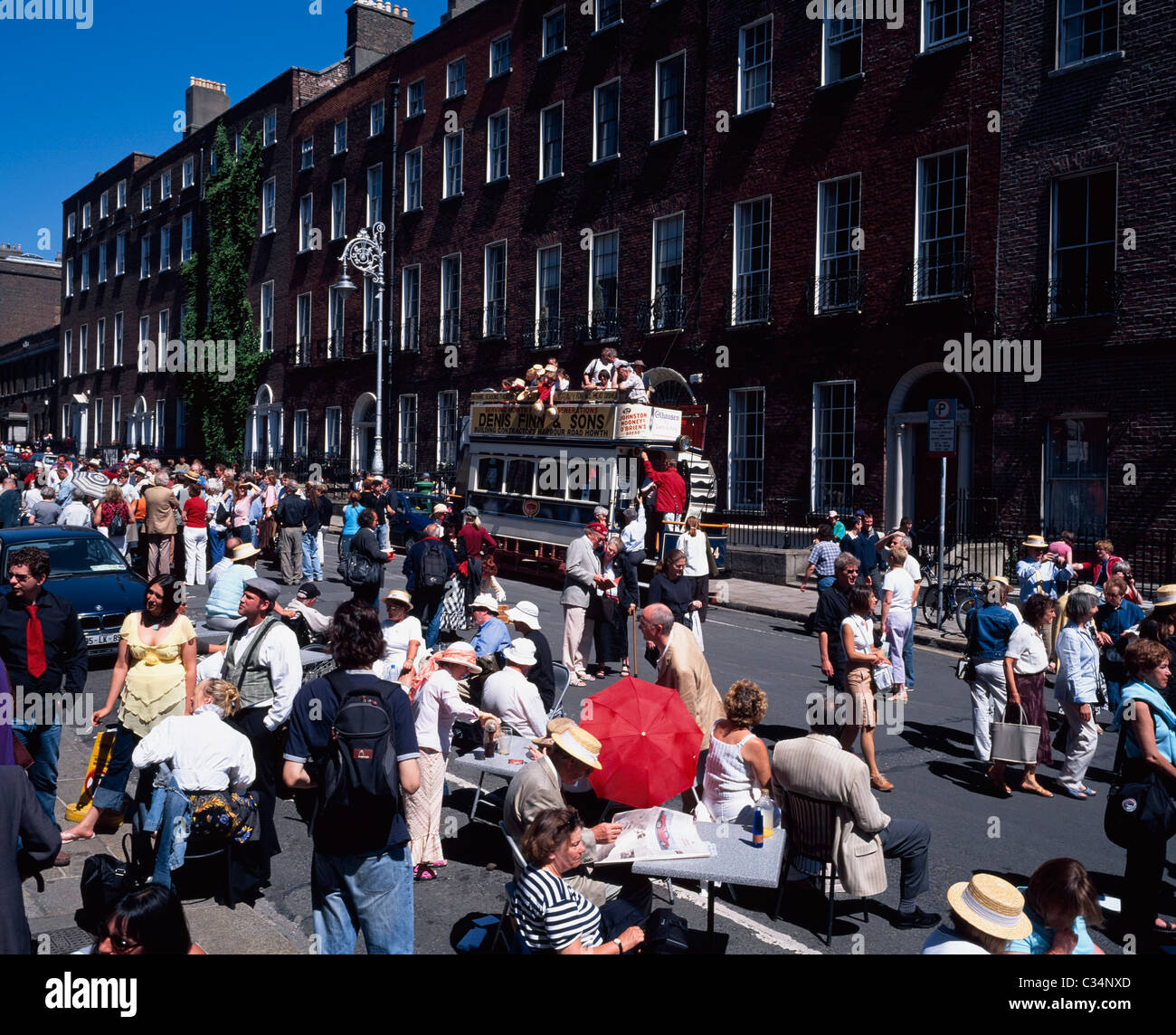
The celebrations also have economic and social benefits. Local businesses report increased foot traffic during the event, with many pubs and cafes offering special menus and themed activities. Tourism officials estimate that the event generates over €5 million in revenue for the city annually, supporting small enterprises and cultural institutions.
However, the event also faces challenges. Critics argue that the commercialization of Bloomsday risks diluting its literary significance. “There’s a fine line between celebrating Joyce and turning his work into a tourist spectacle,” said a representative from the Irish PEN Centre. “We need to ensure that the event remains accessible and meaningful to all.”
Reactions and Expert Insights
Public reactions to this year’s celebrations have been largely positive. “It’s amazing to see the city come together in such a unique way,” said visitor Emma O’Connor from Cork. “The reenactments and exhibits really brought the story to life.”
Experts emphasize the event’s role in preserving literary heritage. “Bloomsday serves as a bridge between past and present,” said historian Seán MacMathuna. “It reminds us that literature is not just a historical artifact but a living conversation that continues to evolve.”
Some attendees expressed hope for expanded accessibility. “I’d love to see more opportunities for people who can’t travel to Dublin to participate
