
The International Monetary Fund (IMF) has stated that global economic growth remains resilient despite elevated risks, according to statements made by its managing director. This assessment comes amid ongoing geopolitical tensions and economic volatility, including the impact of conflicts in the Middle East and shifting energy markets.
IMF Highlights Economic Resilience Amid Geopolitical Tensions
The IMF’s managing director emphasized that global economic growth is outpacing expectations, with many economies demonstrating adaptability to external shocks. “The global economy is showing remarkable resilience, though vulnerabilities persist,” the official said in a recent address. This sentiment aligns with reports from multiple international financial analysts, who note that while risks such as energy price fluctuations and trade disruptions remain, the global system has absorbed these pressures better than anticipated.
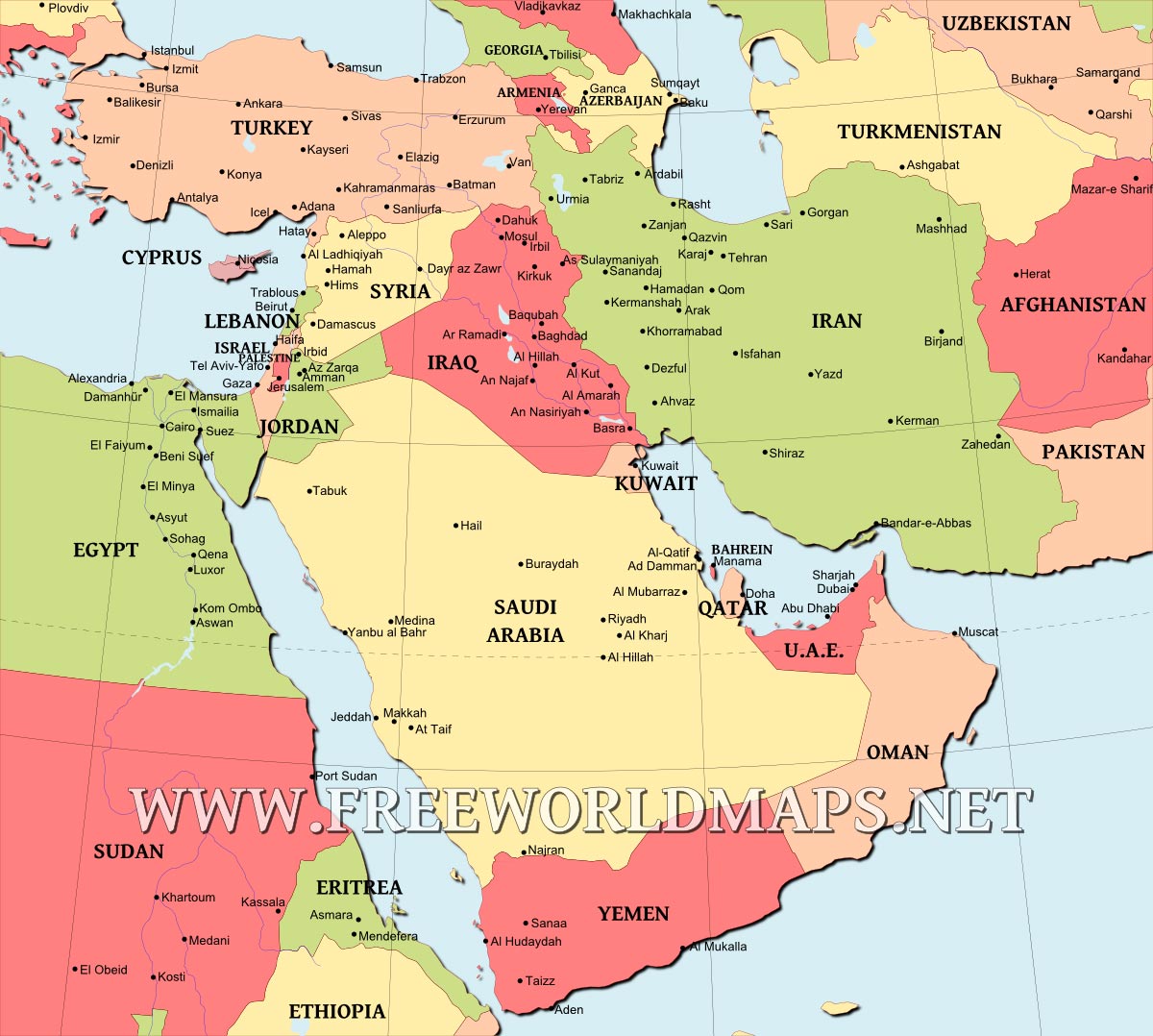
Regional conflicts, including the ongoing tensions in the Middle East, have contributed to heightened uncertainty. However, the IMF’s analysis suggests that supply chains and financial systems have adjusted to mitigate severe disruptions. The organization’s latest economic outlook underscores the importance of policy coordination to sustain this resilience.
Economic Impact of Regional Conflicts
Reports from media outlets such as Les Echos and Infomédiaire highlight the economic toll of regional conflicts, particularly on energy markets and inflation. The war in the Middle East has led to volatility in oil prices, which in turn has influenced inflation rates across multiple economies. “The war has created a ripple effect, with energy costs driving up production and consumer expenses,” a financial analyst noted in a recent interview.
These pressures have prompted central banks to adopt more cautious monetary policies. The IMF has called for a balanced approach, advocating for measures that support growth while preventing inflationary spirals. “Policymakers must navigate this delicate balance to ensure long-term stability,” the IMF stated in a policy brief.
What This Means for Global Markets
The resilience of the global economy, as highlighted by the IMF, has implications for investors, businesses, and consumers. Companies operating in energy-intensive sectors face ongoing challenges due to fluctuating commodity prices, while governments grapple with the need to stabilize inflation without stifling growth.
Analysts suggest that the path forward will depend on the resolution of geopolitical conflicts and the effectiveness of monetary and fiscal policies. “The pace of recovery will hinge on how quickly these risks are addressed,” a economist from a European think tank said. “Without sustained policy efforts, the gains made so far could be undermined.”
As the global economy continues to evolve, the IMF’s assessment serves as a reminder of both the strengths and vulnerabilities of the current system. Stakeholders across sectors are closely monitoring developments to adapt to the shifting landscape.
