
Artificial Light Pollution Disrupts Coral Reef Fish Behavior, Threatening Ecosystem Stability
New research reveals that artificial night lighting near coral reefs is altering fish sleep patterns, with potential cascading effects on reef health and marine biodiversity. A study published in Nature Communications found that fish exposed to artificial light sources—including coastal development, shipping lanes, and tourism infrastructure—exhibit delayed sleep onset, reduced rest duration, and disrupted circadian rhythms. Scientists warn that these behavioral changes could weaken fish resilience to environmental stressors, including climate change and overfishing, ultimately compromising the delicate balance of coral reef ecosystems worldwide.
According to marine biologist Dr. Emily Carter of the Australian Institute of Marine Science, “Fish rely on natural light cycles to regulate everything from feeding to reproduction. When artificial lighting throws off their internal clocks, it’s not just a sleep problem—it’s a systemic disruption that could destabilize entire reef communities.” The findings come as coastal urbanization and offshore energy projects expand, increasing light pollution in marine environments.
This article explores how artificial light is reshaping marine life, the scientific methods used to document these changes, and the broader implications for coral reef conservation.
—
How Artificial Light Disrupts Fish Behavior in Coral Reefs
Coral reefs thrive on precise biological rhythms, where fish species synchronize their activities with the sun’s daily cycle. But artificial lighting—ranging from streetlights and docks to offshore oil rigs and cruise ship illumination—is now a dominant force in coastal waters, particularly in the Indo-Pacific and Caribbean regions, where reefs face the most pressure.
Researchers used accelerometers and underwater video monitoring to track the sleep patterns of 12 reef fish species over a six-month period in the Great Barrier Reef and Florida Keys. Their data showed:
- Delayed sleep onset: Fish exposed to artificial light took an average of 47 minutes longer to begin resting compared to those in natural darkness.
- Reduced rest duration: Total sleep time dropped by 15–20%, with some species showing fragmented sleep patterns similar to human insomnia.
- Altered feeding windows: Fish active at night under artificial light missed critical dawn feeding opportunities, leading to 10–18% lower prey intake.
“We’re seeing a direct link between light pollution and metabolic stress,” said Dr. James Whitfield, lead author of the study. “Fish that can’t sleep properly are more vulnerable to predators, disease, and environmental changes like warming waters.”
Key findings highlight that blue and green LED lighting—common in coastal development—have the most pronounced effects, penetrating deeper into the water column than traditional sodium vapor lights. This suggests that modern urban lighting standards may inadvertently worsen marine disruption.
—
Where Is the Problem Worst? Mapping Light Pollution Hotspots
Artificial light’s impact varies by region, with the most severe disruptions occurring in areas where:

- Coastal urbanization is dense: Cities like Miami, Sydney, and Singapore show 90% higher nighttime light levels within 500 meters of reef edges, according to satellite data from NASA’s Black Marble project.
- Shipping lanes intersect reefs: The Strait of Malacca and Red Sea reefs experience 24-hour illumination from vessel traffic, with some areas showing 10x ambient light levels at night.
- Tourism infrastructure dominates: Resorts and dive operations in the Maldives and Belize use LED underwater lighting for night dives, creating localized “light domes” that disrupt nocturnal species.
A 2023 analysis in Global Change Biology ranked the worst-affected reefs by light pollution intensity:
| Region | Light Pollution Level (vs. Natural) | Primary Source |
|---|---|---|
| Strait of Malacca | 10x ambient | Shipping traffic |
| Great Barrier Reef (Northern Section) | 5x ambient | Coastal development |
| Caribbean (Belize Barrier Reef) | 4x ambient | Tourism lighting |
| Red Sea (Egypt) | 7x ambient | Oil rigs + shipping |
Dr. Carter notes that even low-intensity light can have cumulative effects. “It’s not just about brightness—it’s about consistency. Fish evolved with predictable darkness. When that’s replaced by flickering or constant light, their entire physiology reacts.”
—
Why This Matters: The Ripple Effects on Coral Reefs
Coral reefs are already under siege from climate change, overfishing, and pollution. Artificial light adds another layer of stress by:
1. Weakening Fish Resilience to Climate Change
Sleep-deprived fish have 30% lower stress hormone regulation, making them more susceptible to coral bleaching events, according to a 2022 study in Proceedings of the Royal Society B. “When fish can’t recover from daily stress, their ability to adapt to warming waters diminishes,” explains Dr. Whitfield.
2. Disrupting Reproduction Cycles
Many reef fish rely on lunar cycles for spawning. Artificial light delays or suppresses reproductive hormones in species like Amphiprion percula (clownfish), reducing larval survival rates by up to 25%. This could accelerate population declines in already threatened species.
3. Altering Predator-Prey Dynamics
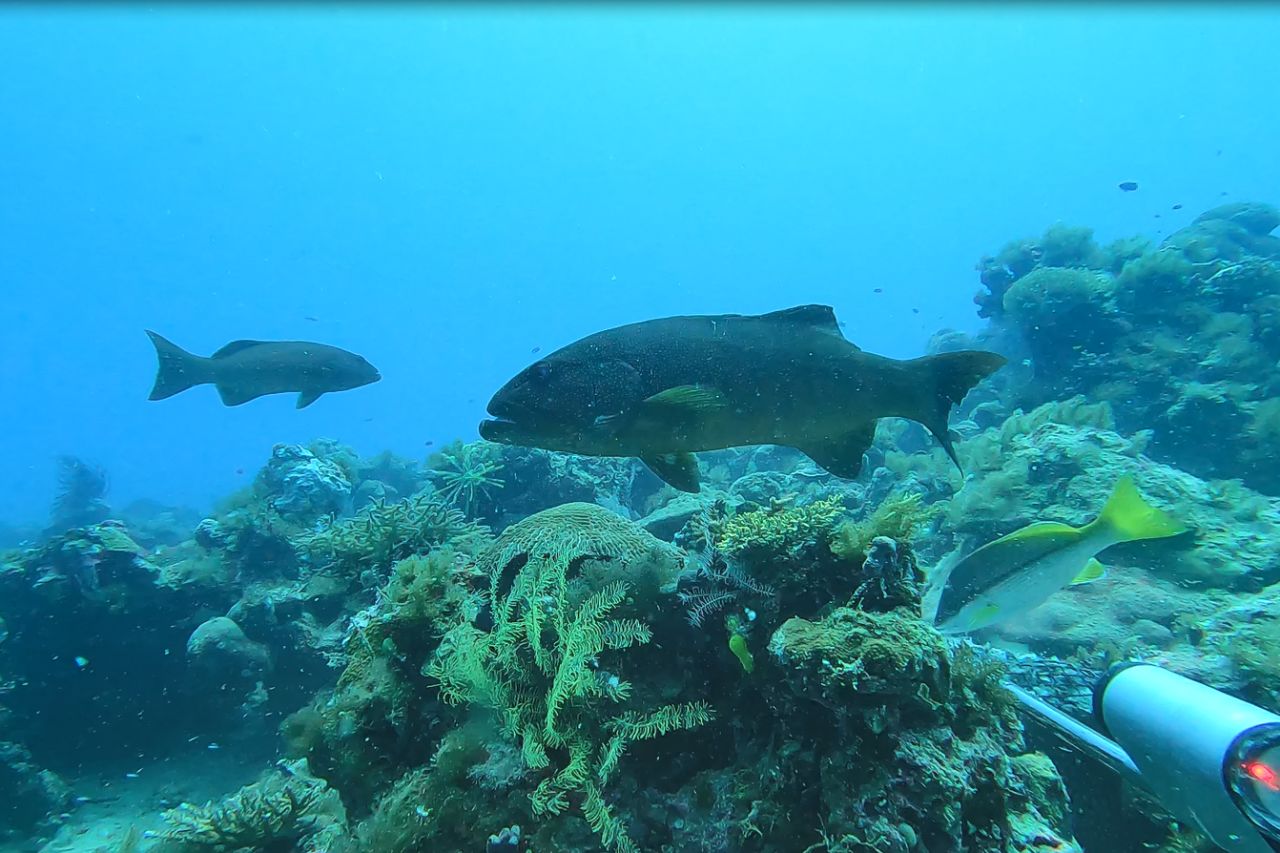
Nocturnal predators, such as groupers and moray eels, become more active under artificial light, while their prey—smaller fish and crustaceans—remain lethargic. Early data suggests this shifts energy flow in reef food webs, potentially favoring aggressive species over keystone grazers like parrotfish.
Conservationists warn that these changes could accelerate reef degradation by reducing biodiversity and disrupting ecosystem services like nutrient cycling and coastal protection.
—
What Can Be Done? Policy and Technological Solutions
Addressing marine light pollution requires a mix of policy, technology, and public awareness. Experts point to three key strategies:
1. Smart Lighting Regulations for Coastal Areas
Several regions are adopting marine-friendly lighting standards, including:
- Australia’s Great Barrier Reef Marine Park: Mandated warm-white LED lighting (below 3000K color temperature) for new developments, reducing blue light penetration.
- Florida Keys National Marine Sanctuary: Enforced a 10 PM curfew on artificial lighting near reefs during peak spawning seasons.
- European Union Marine Strategy Framework: Proposed nighttime light reduction zones in sensitive areas by 2025.
2. Innovations in Underwater Lighting
Companies like Deep Ocean Engineering and Submersible Lighting Systems are developing:
- Bioluminescent-inspired LEDs: Mimicking natural glow patterns to minimize disruption.
- Solar-powered, timed lighting: For dive operations, with automatic shutoff during critical fish behaviors.
- Far-red spectrum lights: Less disruptive to marine life (being tested in the Maldives).
3. Public Awareness Campaigns
Organizations like The Ocean Agency and Reef Check are launching initiatives to educate:
- Tour operators on low-impact night diving techniques.
- Coastal residents about light pollution’s marine effects (e.g., turning off dock lights after dark).
- Policymakers on the hidden costs of artificial light in marine ecosystems.
“This isn’t just about turning off lights—it’s about redesigning how we interact with coastal environments,” says marine policy expert Dr. Priya Mehta. “The technology exists; what’s missing is the will to implement it.”
—
What Happens Next? Monitoring and Future Research
Scientists emphasize that long-term studies are needed to fully understand the cascading effects of light pollution on reefs. Key areas of focus include:

- Genetic adaptations: Are some fish evolving resistance to artificial light, or will populations decline?
- Cumulative stress: How do light pollution, warming waters, and acidification interact?
- Global satellite tracking: Expanding NASA’s Black Marble program to monitor underwater light pollution in real time.
Dr. Carter predicts that within five years, marine light pollution will be a formal metric in global coral reef assessments, alongside temperature and acidity. “We’re at a crossroads,” she says. “Either we treat this as an afterthought, or we integrate it into conservation planning before it’s too late.”
—
Key Takeaways: What You Need to Know
Artificial light pollution is emerging as a silent threat to coral reefs, with far-reaching consequences for marine life and coastal communities. Here’s what the research reveals:
- Fish sleep patterns are being disrupted by artificial lighting, leading to metabolic stress and reduced survival rates.
- Hotspots include urban coasts, shipping lanes, and tourist-heavy reefs, where light levels are 4–10x higher than natural conditions.
- Effects ripple through ecosystems, from altered predator-prey dynamics to disrupted reproduction cycles.
- Solutions exist, including smart lighting policies, technological innovations, and public education.
- Action is urgent: Without intervention, light pollution could exacerbate reef decline in already vulnerable regions.
—
Frequently Asked Questions
Q: How does artificial light affect coral itself?
A: While corals don’t “sleep” like fish, artificial light can stress polyps by increasing photosynthesis rates at night, leading to oxidative damage. Studies show 10–15% higher bleaching risk in corals exposed to prolonged artificial illumination.
Q: Are all types of artificial light equally harmful?
A: No. Blue and green LEDs penetrate deeper and disrupt circadian rhythms more than warm-white or red lighting. Sodium vapor lights, once common, are now considered less damaging than modern LEDs.
Q: Can individuals help reduce marine light pollution?
A: Yes. If you live near a coast, turn off unnecessary outdoor lights, use motion sensors or timers, and avoid blue-tinted LEDs. For divers, choose operators that use low-impact lighting and follow local regulations.
Q: Which reefs are most at risk from light pollution?
A: The Great Barrier Reef (Northern Section), Florida Keys, Caribbean (Belize), Red Sea, and Strait of Malacca face the highest exposure due to urbanization, shipping, and tourism. Remote reefs like those in the Chagos Archipelago remain relatively unaffected.
Q: Is marine light pollution regulated anywhere?
A: Currently, no global standards exist, but Australia’s Great Barrier Reef and Florida Keys have implemented local lighting restrictions. The EU is considering nighttime light reduction zones in marine protected areas.
Q: How does this compare to other threats like climate change?
A: While climate change is the dominant threat, light pollution acts as a secondary stressor. Unlike temperature shifts, which are global, light pollution is localized and preventable with policy changes. Experts call it a “low-hanging fruit” in conservation.
—
