
Dacia’s upcoming electric Spring model could become Europe’s cheapest EV, undercutting Chinese rivals with a starting price of around $16,000—less than half of the Renault Twingo E-Tech’s $35,000 entry point. The French automaker, known for ultra-low-cost vehicles, plans to debut the electric Spring in late 2024, leveraging shared Renault-Nissan-Mitsubishi Alliance technology while targeting a segment dominated by Chinese brands like BYD and MG. Industry analysts say the move could reshape Europe’s budget EV market, where Chinese manufacturers currently hold a 40% share.
Key Points
- Price: Estimated at 435,000 CZK (~$16,000), making it Europe’s most affordable electric car.
- Platform: Built on Renault’s CMF-B platform, shared with the Twingo E-Tech but optimized for cost.
- Range: Expected between 250–300 km (155–186 miles) per charge, aligning with Chinese competitors.
- Launch: Scheduled for late 2024, with production at Renault’s Slovak plant.
- Market Impact: Could force Chinese EV makers to lower prices or improve features to compete.
Why Dacia’s Electric Spring Could Disrupt Europe’s Budget EV Market
Dacia’s electric Spring isn’t just another low-cost car—it’s a direct challenge to China’s dominance in Europe’s sub-$20,000 EV segment. According to local media reports, the model will share underpinnings with Renault’s Twingo E-Tech but strip out premium features to hit the target price. This strategy mirrors Dacia’s long-standing approach of offering stripped-down versions of mainstream models (like the Sandero or Logan) at a fraction of the cost.
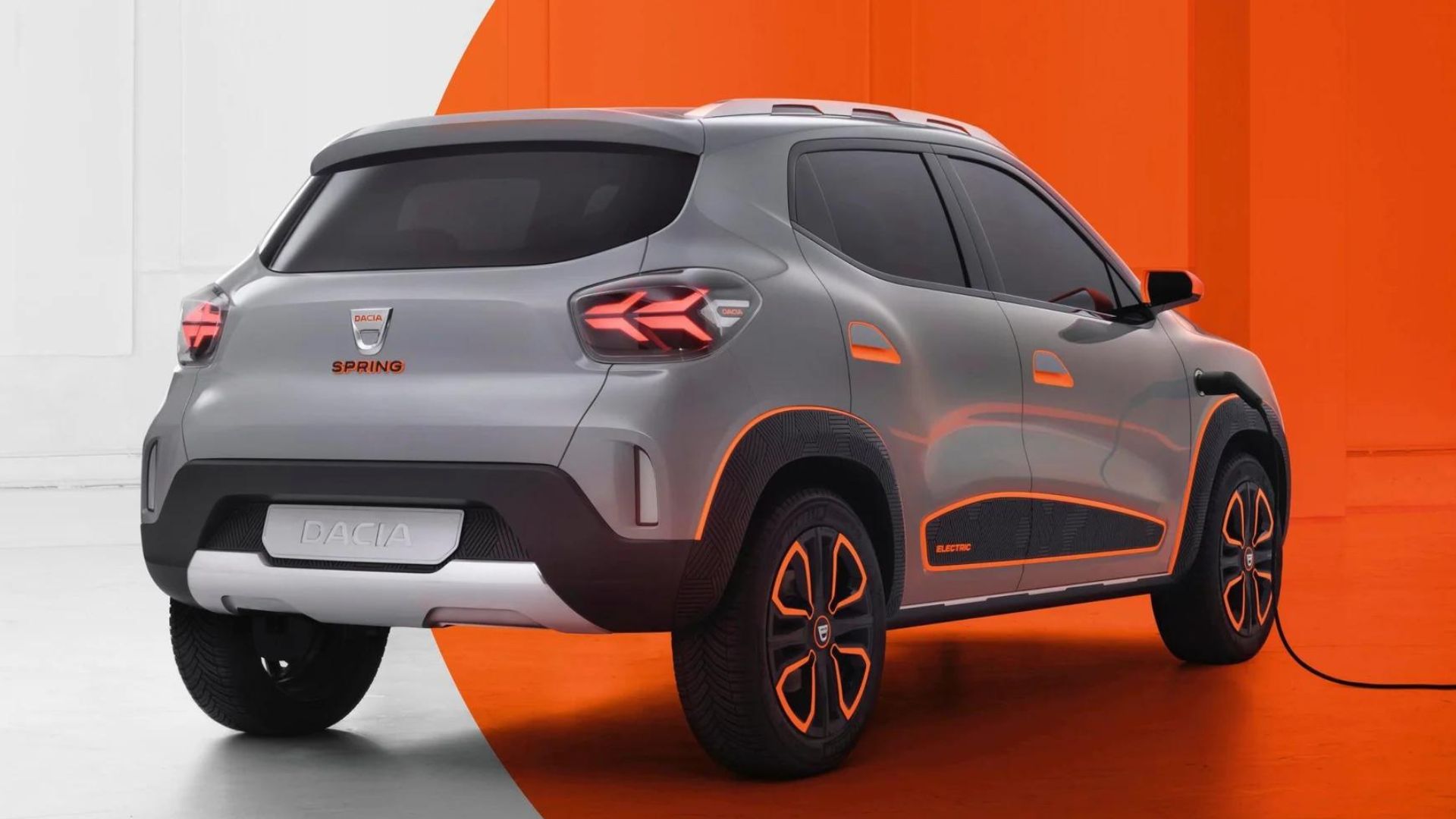
“Dacia has always been about affordability, and this electric Spring will take that to the next level,” said an industry source familiar with the project. “The challenge for Chinese brands is that they’ve priced themselves out of the true budget market—Dacia is filling that gap.”
The move comes as Europe’s EV market grapples with two opposing trends: soaring demand for affordable electric cars and a glut of Chinese-made EVs flooding the continent at prices starting as low as $12,000. Dacia’s entry could force Chinese manufacturers to either lower prices further or differentiate their offerings with longer ranges or advanced features.
How the Electric Spring Compares to Chinese Rivals—and Renault’s Own EVs
Dacia’s electric Spring will compete directly with models like the BYD Dolphin (starting at ~$18,000 in Europe) and MG4 Electric (~$22,000), but with a key advantage: Renault’s established European dealer network. While Chinese brands rely on aggressive pricing and long-range batteries (up to 400 km), Dacia’s focus is on sheer affordability, even if it means sacrificing range or performance.
| Model | Starting Price (Europe) | Range (WLTP) | Platform | Expected Launch |
|---|---|---|---|---|
| Dacia Spring Electric | $16,000 | 250–300 km | Renault CMF-B | Late 2024 |
| BYD Dolphin | $18,000 | 380 km | BYD e-Platform 3.0 | 2023 (already available) |
| MG4 Electric | $22,000 | 350 km | SAIC NEVP | 2022 (already available) |
| Renault Twingo E-Tech | $35,000 | 230 km | CMF-B | 2023 (already available) |
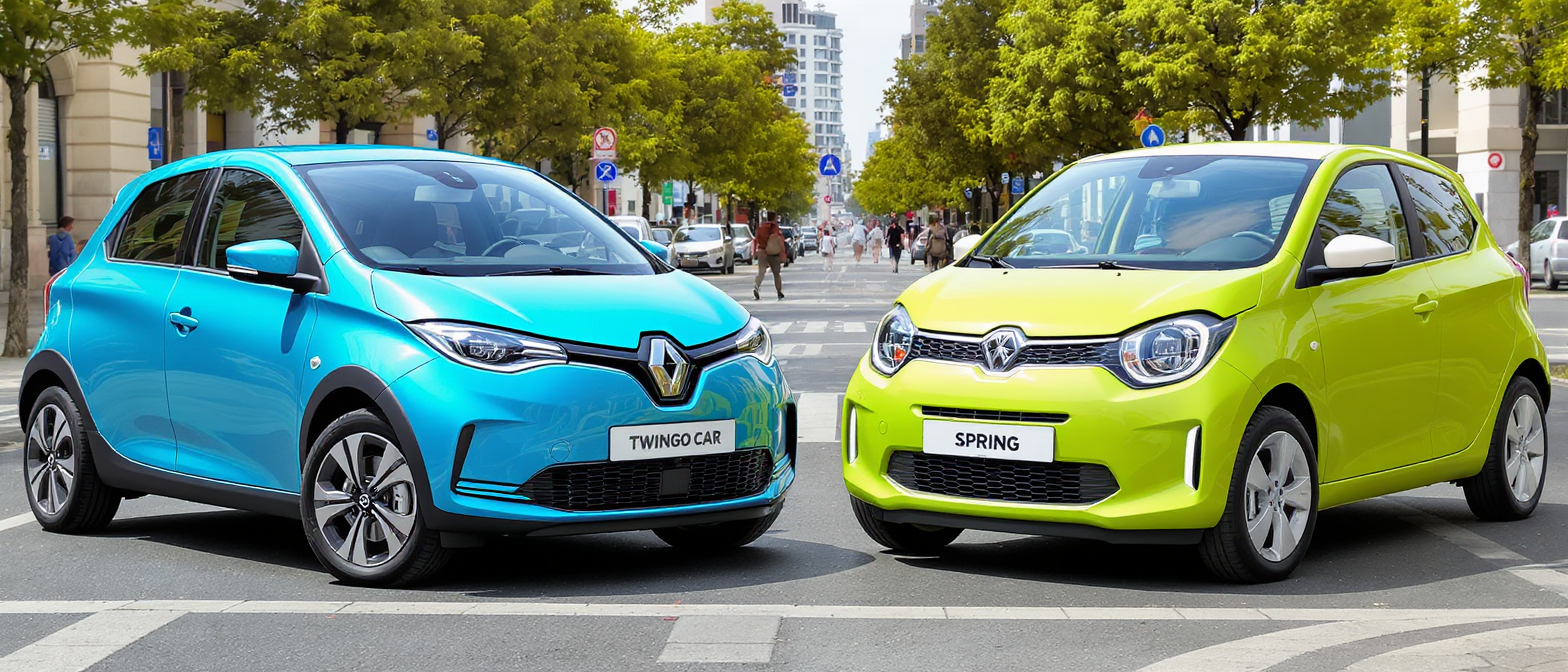
While the Spring’s range lags behind Chinese competitors, its price could appeal to price-sensitive buyers—particularly in Southern Europe, where charging infrastructure is less developed. Renault’s decision to use the CMF-B platform (also underpinning the Twingo E-Tech) suggests cost efficiency over cutting-edge tech, reinforcing Dacia’s positioning as a no-frills option.
What This Means for Chinese EV Makers—and Europe’s Market
Analysts warn that Dacia’s entry could trigger a price war in Europe’s budget EV segment. “Chinese brands have been undercutting European automakers for years, but Dacia is now fighting back on their own turf,” said a supply chain expert. “If Dacia succeeds, we could see a cascade of price cuts across the segment.”
For Chinese manufacturers, the threat isn’t just Dacia—it’s Renault’s vast dealer network. While BYD and MG have made inroads in Europe, they’ve struggled to match the reach of established brands like Renault, Volkswagen, or Stellantis. Dacia’s electric Spring could leverage that advantage, offering a locally produced, affordable EV at a time when supply chain disruptions have made Chinese imports less reliable.
Regulatory hurdles remain, however. The European Commission’s upcoming CO₂ emissions rules (requiring 55% of new cars to be zero-emission by 2030) could accelerate demand for EVs like the Spring. But if Dacia’s price strategy succeeds, it may also pressure policymakers to reconsider subsidies that currently favor higher-priced models.
When Can You Expect to See It—and What Will It Cost?
Production of the electric Spring is set to begin at Renault’s Slovak plant in late 2024, with deliveries starting in early 2025, according to multiple reports. The base model is expected to start at 435,000 CZK (~$16,000), with higher trims potentially reaching 480,000 CZK (~$18,000). While details on battery specifications or charging speeds are scarce, industry sources suggest it will use a 45 kWh battery pack, similar to the Twingo E-Tech but with optimized software to extend range.
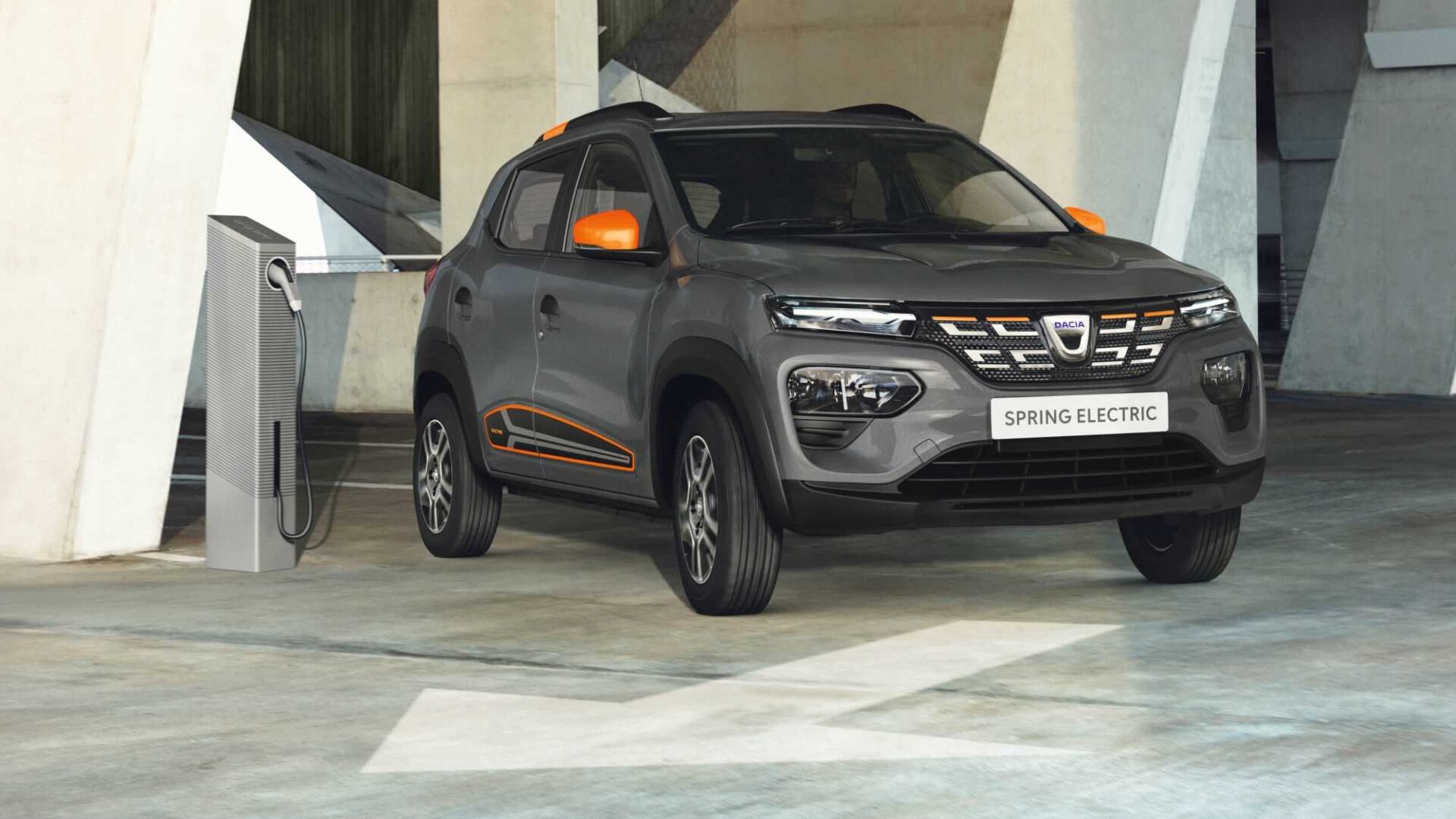
The Spring will also debut alongside an electric version of Dacia’s Octavia, targeting a higher-end segment with a larger battery and longer range. Unlike the Spring, the electric Octavia will likely compete directly with models like the Peugeot e-208 and Hyundai Kona Electric, priced above $30,000.
For now, Dacia is keeping specifications under wraps, but leaks suggest the Spring will prioritize practicality over performance—think a 30 kW motor (good for ~100 km/h top speed) and a 300-liter trunk, making it ideal for urban commuters and small families.
What’s Next for Dacia—and Europe’s EV Race?
If the electric Spring succeeds, Dacia could expand its EV lineup rapidly. The company has already hinted at an electric version of its Duster SUV, which would further challenge Chinese brands like the BYD Atto 3. Success in the sub-$20,000 segment could also embolden Renault to push harder into the electric market, potentially accelerating the phase-out of internal combustion engines in its lineup.
For Chinese manufacturers, the response will be critical. Options include:
- Price cuts: Lowering prices to undercut Dacia, though margins may thin.
- Feature upgrades: Adding advanced driver aids or longer ranges to justify premium pricing.
- Local production: Expanding European factories to reduce reliance on imports and tariffs.
One thing is clear: Dacia’s electric Spring isn’t just another car—it’s a statement. And in Europe’s cutthroat EV market, that could be enough to shift the balance.
