
OCHA tells Security Council, aid space shrinking as attacks mount in Ukraine – OCHA
The United Nations Office for the Coordination of Humanitarian Affairs (OCHA) informed the UN Security Council that the space for delivering humanitarian aid in Ukraine is shrinking as Russian military attacks increase. According to OCHA, the escalation of hostilities is restricting access to vulnerable populations and increasing the risks faced by aid workers and civilians.
Why is the humanitarian aid space shrinking in Ukraine?
OCHA reports that the “shrinking” of aid space is a direct result of intensified military operations and the frequency of air strikes. In humanitarian terms, “aid space” refers to the operational environment that allows neutral organizations to reach people in need without facing undue risk or political obstruction. When this space shrinks, the physical and security conditions make it nearly impossible to maintain consistent supply lines for food, medicine, and emergency shelter.
According to briefings provided to the Security Council, the mounting attacks create a volatile environment where humanitarian corridors become unreliable. The risk is not limited to the front lines; OCHA indicates that the broader pattern of strikes affects the logistics hubs and transport networks necessary for large-scale aid distribution.
- Increased Kinetic Activity: Higher volumes of missile and drone strikes make movement dangerous for non-combatants.
- Infrastructure Damage: Attacks on energy and transport grids hinder the ability to store and move temperature-sensitive medical supplies.
- Security Risks: The threat of strikes on civilian centers forces aid agencies to limit their footprint in high-risk zones.
What are the primary risks to civilians and cultural sites?
A UN envoy warned the Security Council that the civilian toll is rising as Russian air strikes increasingly target non-military objectives. Specifically, reports indicate that Ukrainian cultural sites have been hit, which the UN views as a significant escalation in the degradation of civilian infrastructure.
The targeting of cultural heritage is not merely a loss of history but is often linked to a broader pattern of urban destruction. According to UN News, these strikes contribute to the displacement of populations and the psychological toll on the remaining civilian inhabitants. The envoy emphasized that the rising toll reflects a failure to adhere to the principles of distinction and proportionality required under international humanitarian law.
“The rising civilian toll is a direct consequence of the continued use of explosive weapons in populated areas,” UN representatives have indicated during Security Council sessions.
How has the international community responded to the mass strikes?
The United Kingdom has issued a strong condemnation of Russia’s latest mass strikes against Ukrainian cities. In a statement delivered at the UN Security Council, the UK government characterized these attacks as a deliberate attempt to terrorize the civilian population and disrupt the basic functions of urban life.
The UK’s position focuses on the legality of these strikes, arguing that the scale and nature of the attacks on residential areas and critical infrastructure constitute violations of international law. This diplomatic pressure is intended to hold the Russian Federation accountable within the only UN body capable of issuing binding resolutions, the Security Council.
| Entity | Core Position/Action | Primary Concern |
|---|---|---|
| OCHA | Reporting to Security Council | Shrinking humanitarian access and aid worker safety. |
| UN Envoy | Warning to Security Council | Rising civilian casualties and destruction of cultural sites. |
| UK Government | Formal Condemnation | Mass strikes on cities and violations of international law. |
What is the role of the UN Security Council in this crisis?
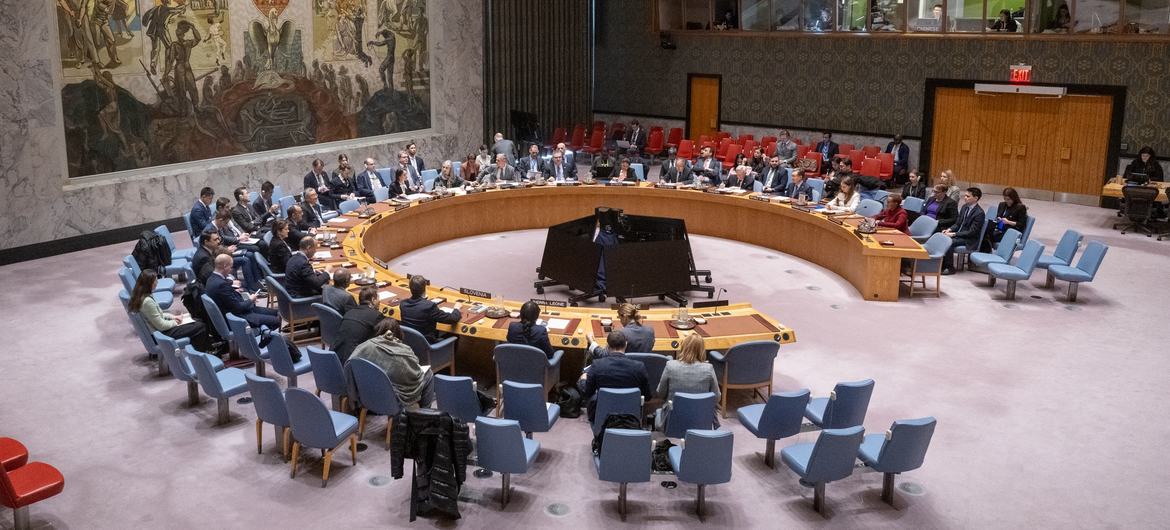
The UN Security Council is tasked with the maintenance of international peace and security. In the case of Ukraine, the Council serves as the primary forum where the UN’s humanitarian arms, such as OCHA, can present evidence of atrocities or operational hurdles to the world’s major powers.
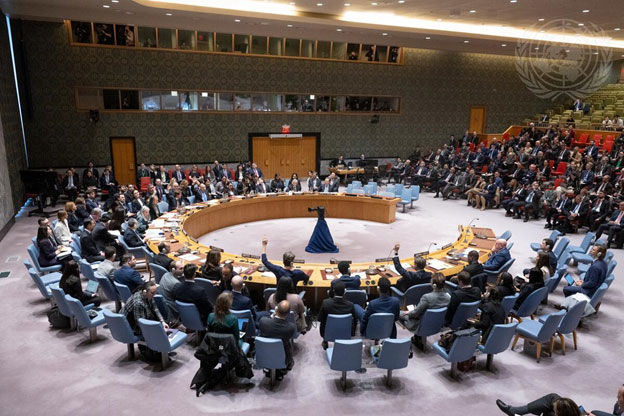
However, the Council’s effectiveness is often hampered by the veto power of its permanent members. While OCHA can document the shrinking aid space and the UK can condemn strikes, the ability to enforce a ceasefire or mandate protected humanitarian zones depends on a consensus that has remained elusive since the start of the full-scale invasion.
The “Maintenance of peace and security of Ukraine” sessions are designed to keep the conflict on the global agenda and create a recorded diplomatic trail of violations. For OCHA, these briefings are critical for securing the funding and political willpower needed to keep aid flowing despite the shrinking operational space.
How do attacks on infrastructure impact humanitarian logistics?
The shrinking aid space described by OCHA is not just about soldiers on the ground; it is about the collapse of the systems that support life. When mass strikes hit energy grids, the ripple effect on humanitarian aid is immediate.
According to reporting from UN News and related briefings, the impact follows a specific chain of failure:
- Cold Chain Disruption: Many vaccines and essential medicines require constant refrigeration. Power outages caused by strikes destroy these supplies.
- Water and Sanitation: Pumping stations rely on electricity. When they fail, aid agencies must pivot from long-term support to emergency water trucking, which is more expensive and less efficient.
- Communication Blackouts: Strikes on telecommunications make it difficult for OCHA to coordinate with local partners on the ground, leading to “blind spots” in aid delivery.
This systemic degradation means that even if aid is available at the border, the “last mile” of delivery becomes the most dangerous and difficult part of the operation. This is the practical reality of what OCHA means when it tells the Security Council that the aid space is shrinking.
Comparing the focus of OCHA and the UK Government
While both OCHA and the UK government address the same conflict, their framing of the issue differs based on their mandates. A comparison of their statements reveals two different but complementary tracks of international pressure.
OCHA focuses on operationality. Its primary concern is the “space”—the ability to move, the safety of the staff, and the access to the victims. OCHA’s language is neutral and focused on the mechanics of survival. It does not seek to assign political blame as much as it seeks to secure the ability to function.
The UK government focuses on accountability. Its language is normative and legalistic, using terms like “strongly condemns” and emphasizing the illegality of the strikes. The UK’s goal is to frame the Russian actions as crimes that require a legal and political response, rather than just a humanitarian one.
Together, these perspectives provide the Security Council with both a technical map of the suffering (OCHA) and a political demand for justice (UK).
Key Points on the Current Humanitarian Situation
- Direct Threat: Russian air strikes are targeting cultural sites and urban centers, increasing civilian deaths.
- Operational Decline: OCHA warns that the ability to deliver aid is decreasing due to security risks.
- Diplomatic Stasis: The Security Council remains the venue for these warnings, though enforcement remains difficult.
- Infrastructure Collapse: Energy and transport strikes are creating secondary humanitarian crises.
What are the long-term implications of targeting cultural sites?
The UN envoy’s warning about attacks on cultural sites points to a deeper strategy of “cultural erasure.” Under the 1954 Hague Convention for the Protection of Cultural Property in the Event of Armed Conflict, the intentional destruction of cultural heritage is prohibited.
When cultural sites are targeted, it often signals a shift from tactical military objectives to a strategy of erasing the national identity of the opponent. For humanitarian workers, this adds another layer of complexity, as the destruction of community centers and libraries often removes the very places where aid is distributed or where displaced people find refuge.
This pattern of destruction is often cited by international observers as evidence of war crimes, which may be used in future proceedings at the International Criminal Court (ICC). The UN’s documentation of these strikes serves as a vital evidentiary record.
Common misconceptions about humanitarian aid in Ukraine
One common misconception is that aid is “blocked” by a single wall or checkpoint. In reality, the “shrinking aid space” OCHA mentions is more fluid. It is a combination of active shelling, mined roads, and the collapse of local governance in contested areas.
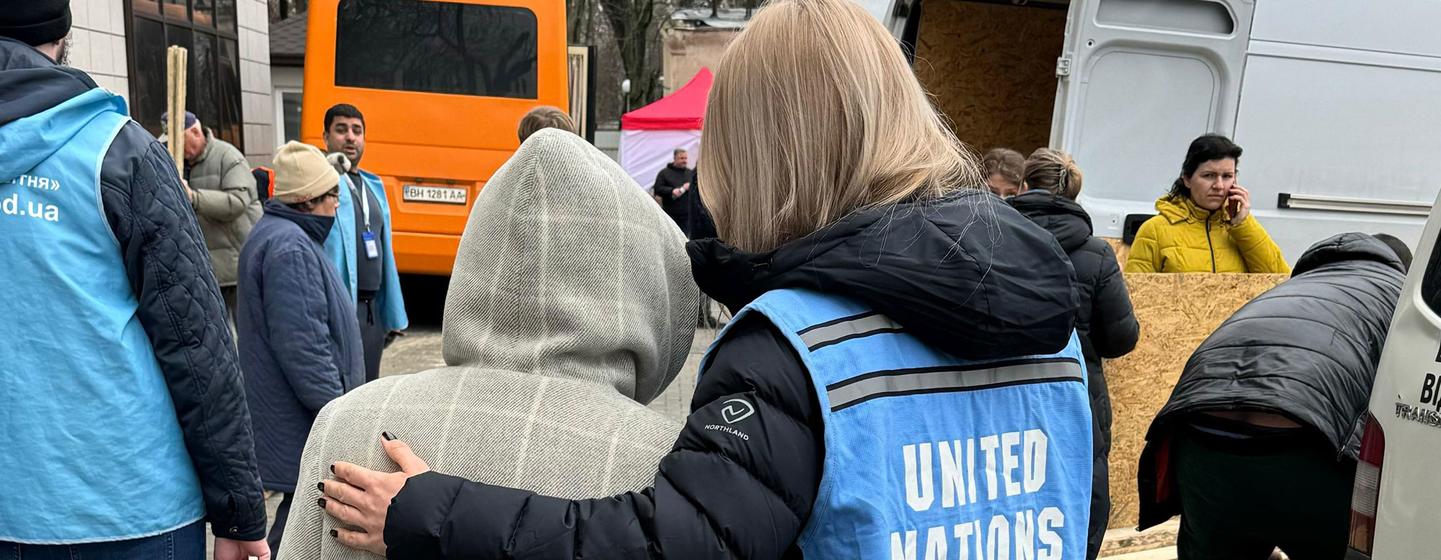
Another misconception is that the UN can simply “order” a ceasefire to allow aid through. The UN Secretariat and OCHA have no military power; they rely on the negotiation of “humanitarian pauses.” These pauses are fragile and are often broken by one or both sides, making long-term planning nearly impossible for aid agencies.
Finally, some assume that cultural site destruction is “collateral damage.” However, the UN envoy’s specific warning to the Security Council suggests that the pattern of strikes is too consistent to be accidental, pointing instead toward a deliberate targeting strategy.
Frequently Asked Questions
What does “shrinking aid space” actually mean?
It means that the physical, legal, and security conditions that allow humanitarian organizations to operate safely are disappearing. This results in fewer aid workers being able to enter dangerous areas and a decrease in the amount of food and medicine reaching civilians.
Why is OCHA reporting this to the UN Security Council?
The Security Council is the only UN body with the authority to impose sanctions or mandate peacekeepers. By reporting the shrinking aid space, OCHA is alerting the world’s most powerful nations that the humanitarian situation is reaching a critical breaking point.
Which cultural sites are being targeted?
While specific sites vary by report, the UN envoy has highlighted a general pattern of air strikes hitting museums, libraries, and historical landmarks, which are protected under international law.
How does the UK’s condemnation affect the situation?
While a statement of condemnation does not stop a missile, it creates diplomatic pressure and builds the legal case for war crimes. It also signals to other allies that the UK will continue to support Ukraine against mass strikes on cities.
Can OCHA force Russia to allow more aid?
No. OCHA coordinates aid and negotiates access, but it has no enforcement power. It relies on diplomacy and the hope that the offending parties will adhere to International Humanitarian Law to avoid further global isolation.
For more information on the legal frameworks protecting civilians, you may find a related explainer on International Humanitarian Law useful.
