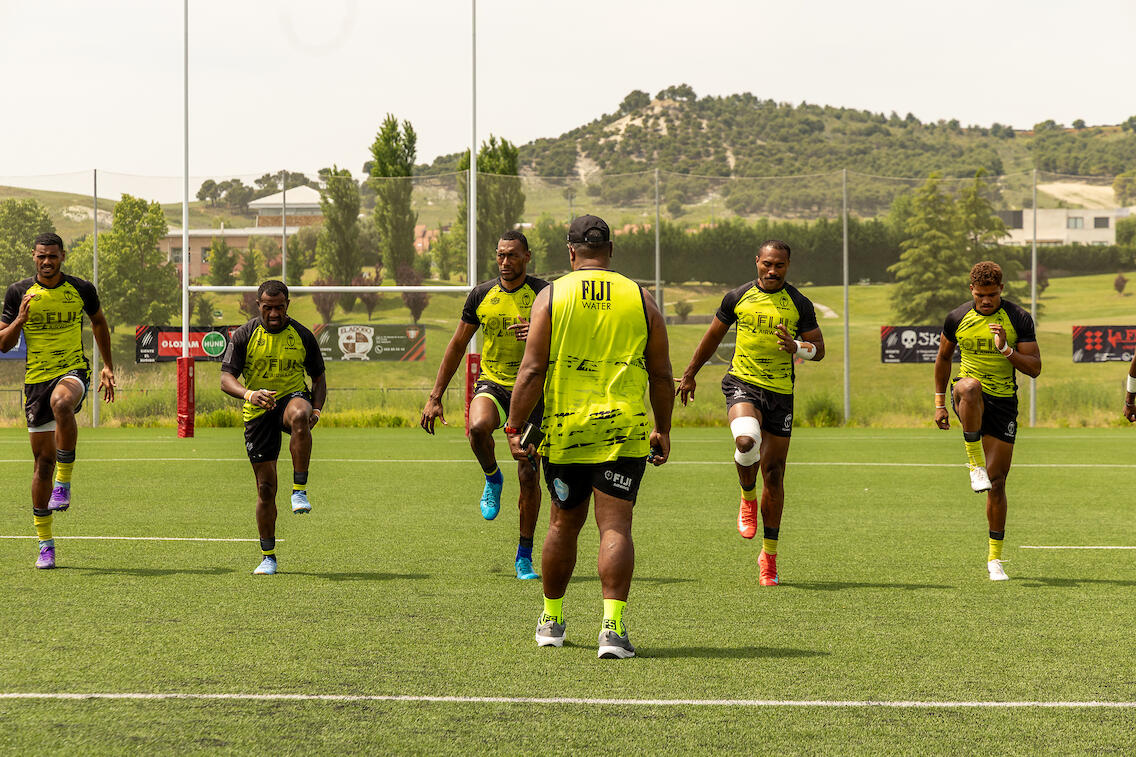
Australia Triumphs Over Fiji in Thrilling Valladolid 7s Cup Semi-Final: Analysis and Key Takeaways
The high-octane world of international rugby sevens delivered a gripping encounter in Spain as Australia secured a hard-fought victory over Fiji. In a clash that lived up to the expectations of fans and pundits alike, the result of Valladolid 7s: Fiji goes down to Australia 21-14 in cup semi finals – Fijivillage marks a significant moment in the current trajectory of both programs. This match was not merely about a single tournament progression but served as a litmus test for two of the most influential styles of play in the modern game.
For Fiji, the “Kings of Sevens,” a semi-final exit is always a bitter pill to swallow, regardless of the venue. For Australia, the victory represents a disciplined execution of a game plan designed to neutralize one of the most dangerous attacking forces in sports. The 21-14 scoreline suggests a tight contest, but the tactical nuances beneath the surface reveal a shifting dynamic in the rivalry between the Pacific powerhouse and the Australian outfit.
Match Breakdown: How Australia Sealed the Victory
The encounter in Valladolid was characterized by a clash of philosophies. Fiji entered the match with their trademark flair, relying on offloads, rapid lateral movement, and individual brilliance to break the defensive line. Australia, conversely, employed a structured, high-pressure defensive system that aimed to force turnovers and capitalize on Fijian errors.
The first half was a tactical chess match. Fiji dominated the early possession, utilizing their superior agility to stretch the Australian defense. However, Australia’s discipline in the tackle was exemplary. By refusing to bite on the initial decoys and maintaining a cohesive defensive line, the Australians managed to limit Fiji’s opportunities to score high-value tries.
The turning point came through Australia’s ability to transition from defense to attack with clinical precision. While Fiji played a more expansive game, Australia focused on efficiency. Their tries were the result of calculated breakthroughs and a superior kicking game that pinned Fiji back in their own half, limiting the space available for the Fijian playmakers to operate.
Key Statistical Insights
While official detailed stats for every regional tournament can vary, the flow of the match highlighted several critical areas where Australia gained the upper hand:
- Turnover Conversion: Australia capitalized on nearly every possession gained through forced errors.
- Defensive Discipline: A significantly lower penalty count for Australia compared to Fiji in the second half.
- Territorial Control: Australia managed to keep the ball in the Fijian half for extended periods during the final five minutes of the match.
The Tactical Battle: Structure vs. Spontaneity
To understand why Valladolid 7s: Fiji goes down to Australia 21-14 in cup semi finals – Fijivillage occurred, one must analyze the systemic differences between the two teams. Fiji’s game is built on “structured chaos.” They thrive when the game breaks down, using their innate ability to find gaps that don’t exist for other players. This spontaneity is their greatest weapon, but it can also be their Achilles’ heel when facing a disciplined defensive wall.
Australia’s approach in Valladolid was a masterclass in containment. They didn’t try to out-flair Fiji. instead, they played a game of attrition. By focusing on the “breakdown” — the contest for the ball immediately after a tackle — Australia slowed down the pace of the game. This prevented Fiji from building the momentum necessary to launch their devastating wide-ranging attacks.
“In Rugby 7s, the battle is often won not by who has the most talent, but by who can maintain their structure under the most intense pressure. Australia’s ability to stay composed while Fiji pushed for a comeback was the deciding factor in this semi-final.”
Comparative Analysis of Playstyles
| Feature | Fiji’s Approach | Australia’s Approach |
|---|---|---|
| Primary Strategy | Expansive, offload-heavy attack | Disciplined structure and pressure |
| Defensive Style | Aggressive, man-to-man | Zonal containment and drift |
| Strength | Unpredictability and raw speed | Tactical execution and fitness |
| Weakness | Susceptibility to forced errors | Less individual “magic” in tight spots |
The Significance of the Valladolid 7s Tournament
The Valladolid 7s is more than just a stop on the international calendar; it is a prestigious event that attracts top-tier talent and provides a platform for teams to experiment with squad rotations and new tactical setups. For teams like Fiji and Australia, these tournaments are essential for maintaining match fitness and testing the depth of their rosters outside the primary World Rugby SVNS series.
Playing in Spain provides a different environmental challenge—different turf, varying weather conditions, and a passionate European crowd. The fact that Australia could maintain such a high level of tactical discipline in this environment speaks volumes about their current mental fortitude. For Fiji, the tournament serves as a reminder that their dominance is never guaranteed and that the gap between them and the chasing pack is narrowing.
For those following the broader trends of the sport, you might find a related explainer on the evolution of World Rugby 7s tactics useful to understand how these regional tournaments influence the global game.
Analyzing Fiji’s Current Form and Challenges
The loss in the cup semi-finals raises questions about the current state of the Fijian squad. Fiji is currently in a period of transition, integrating younger players into a system that has historically relied on a core group of legendary veterans. While the raw talent remains unparalleled, the “clinical edge” required to close out tight games against disciplined sides has occasionally been missing.
Several factors may have contributed to the 14-21 deficit:
- Handling Errors: In a game of sevens, a single dropped ball can shift the momentum entirely. Fiji struggled with unforced errors at critical junctures.
- Fatigue Management: The intensity of the Valladolid tournament can take a toll. Whether it was a lack of depth or the physical toll of previous rounds, Fiji seemed a step slower in the final minutes.
- Predictability: While their flair is legendary, Australia seemed to have “read” the Fijian patterns, anticipating the offloads and cutting off the passing lanes.
Despite the loss, Fiji’s ability to stay within a single try of Australia shows that their baseline level of play remains elite. The challenge for the coaching staff will be to marry their natural instinct with a more disciplined approach to game management.
Australia’s Ascent: A New Era of Competitiveness
Australia’s victory is a testament to the long-term investment in their sevens program. For years, Australia was seen as a team that could compete but rarely dominate the “Considerable Three” (Fiji, New Zealand, and South Africa). However, the victory in the Valladolid semi-finals suggests a shift in confidence.
The Australian team has adopted a more holistic approach to the game, blending the physicality of 15s rugby with the speed of 7s. Their victory over Fiji was not a fluke; it was the result of a deliberate strategy to stifle the opponent’s strengths. By prioritizing “ball security” and “defensive integrity,” Australia has found a blueprint for beating the world’s most dangerous attacking teams.
This win provides a massive psychological boost. Beating Fiji in a knockout match—especially in a cup semi-final—sends a message to the rest of the world that Australia is no longer just a participant, but a genuine contender for titles in any tournament they enter.
Broader Implications for the International Circuit
When a result like Valladolid 7s: Fiji goes down to Australia 21-14 in cup semi finals – Fijivillage occurs, the ripples are felt across the international circuit. This match serves as a case study for other nations on how to combat the Fijian style of play. The “Australia Model”—high pressure, disciplined drift defense, and clinical counter-attacks—will likely be studied by other teams looking to upset the Pacific giants.
this result impacts the perceived rankings and momentum heading into major championships. While regional tournaments don’t always carry the same weight as the World Series, the confidence gained from a semi-final win is invaluable. Australia now enters future competitions knowing they have the tactical tools to dismantle the most feared attack in the game.
For Fiji, this is a wake-up call. The era where raw talent alone could secure a trophy is fading. The modern game demands a hybrid approach: the brilliance of the Pacific combined with the professional structure of the Northern and Southern Hemisphere powers.
Common Misconceptions About Fiji vs. Australia Matchups
Many casual observers believe that Fiji always dominates Australia due to their natural affinity for the game. However, this is an oversimplification. History shows that when Australia is defensively sound and manages to control the tempo, they are incredibly tricky to beat.
Another misconception is that Fiji’s loss is a sign of decline. In reality, the level of competition in Rugby 7s has risen globally. The “gap” hasn’t necessarily shrunk because Fiji has gotten worse, but because teams like Australia, Canada, and the USA have evolved their coaching and athletic preparation to a world-class level.
Finally, some might view the 21-14 score as a “blowout.” In sevens, a seven-point difference is a single try. This was a game decided by a few key moments of brilliance and a few critical errors, rather than a mismatch of skill.
Frequently Asked Questions
What was the final score of the Valladolid 7s cup semi-final between Fiji and Australia?
Australia defeated Fiji with a final score of 21-14, securing their place in the finals.
Why is the Valladolid 7s significant for international teams?
It allows top-tier nations to test their squad depth, experiment with tactics, and maintain competitive form outside of the primary World Rugby SVNS series.
What was the primary reason for Australia’s victory over Fiji?
Australia utilized a highly disciplined defensive structure and clinical transition play, which neutralized Fiji’s expansive attacking style and forced critical errors.
Does this result affect the official World Rugby rankings?
While regional tournaments may not always impact official world rankings as much as the World Series, they significantly influence team momentum, confidence, and tactical preparation for major events.
Who are the current favorites in international Rugby 7s?
Fiji, New Zealand, and South Africa remain the traditional powerhouses, but Australia and others are increasingly capable of beating them through superior tactical execution.
The Road Ahead for Both Squads
As the dust settles in Valladolid, both teams will return to their respective camps with clear objectives. Australia will look to maintain this momentum, proving that their victory over Fiji was a harbinger of a more dominant era. Their focus will be on refining their attacking options so they don’t rely solely on defensive pressure to win games.
Fiji, will likely undergo a period of introspection. The focus will be on reducing unforced errors and ensuring that their tactical discipline matches their physical prowess. The Fijian spirit is resilient, and historically, they have used losses in smaller tournaments to fuel their dominance in larger ones.
For the fans, the match in Spain was a reminder of why Rugby 7s is one of the most exciting formats in sports. It is a game of margins, where a single mistake can lead to a 70-meter try and where a disciplined defense can shut down the most creative players in the world. The 21-14 result is a snapshot of a sport in evolution, where the battle between instinct and structure continues to define the winners.
Looking forward, rugby enthusiasts should keep a close eye on the upcoming fixtures involving these two nations. The rivalry has been reinvigorated by this clash in Valladolid, and the next meeting is sure to be a tactical battle of the highest order. Whether Fiji returns to their dominant ways or Australia continues their ascent, the global game is better for the competitiveness these two nations bring to the pitch.
