Poland is facing a systemic failure in its personal income tax (PIT) architecture, where static tax brackets are failing to keep pace with inflation, effectively triggering a “silent tax hike” for hundreds of thousands of citizens. As nominal wages rise to compensate for the cost of living, a growing number of taxpayers are being pushed into higher tax tiers despite no real increase in their purchasing power.
- Taxpayer Impact: Approximately 500,000 additional taxpayers have been pushed into the second tax bracket.
- Fiscal Cost: The Ministry of Finance has declined to adjust the threshold, stating the move would cost the state 12 billion PLN.
- Systemic Flaw: Experts describe the situation as a “tax trap” resulting from a fiscal system that lacks dynamic adjustment mechanisms.
The Mechanics of the “Tax Trap”
The current issue stems from what economists call bracket creep. In a dynamic economy, inflation drives up nominal wages. However, because the thresholds for Poland’s PIT brackets remain fixed, the system automatically categorizes these nominal raises as increases in real wealth. This triggers a transition into the second, higher tax bracket for many workers.
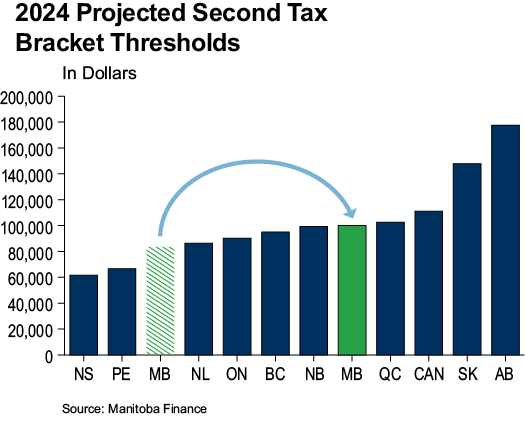
According to local media reports, this lack of synchronization between the tax code and economic reality has created a scenario where the system cannot keep up with inflation. For the affected 500,000 taxpayers, the result is a net decrease in take-home pay relative to the cost of goods and services, effectively functioning as a tax increase without a legislative vote.
Fiscal Constraints and Government Stance
The Ministry of Finance has maintained that the second tax bracket will remain unchanged. The decision is driven by the projected impact on the national budget, as updating the thresholds to reflect current economic conditions would lead to a significant loss in government revenue.
The Ministry of Finance stated that adjusting the tax bracket would cost 12 billion PLN.
This creates a direct conflict between fiscal stability and taxpayer equity. While the government prioritizes the 12 billion PLN in revenue, critics and experts argue that the “silent hike” unfairly penalizes middle-income earners who are simply attempting to maintain their standard of living in an inflationary environment.
Broader Socio-Economic Implications
The impact extends beyond individual paychecks, affecting various professional groups including artists and large-scale enterprises. The rigidity of the PIT system highlights a broader struggle within the government to balance social welfare with budgetary requirements.
Public discourse has shifted toward the honesty and transparency of the administration’s approach to these fiscal policies. Some observers note that the failure to address the bracket creep is not a technical oversight but a deliberate policy choice to maintain revenue streams at the expense of the taxpayer.
