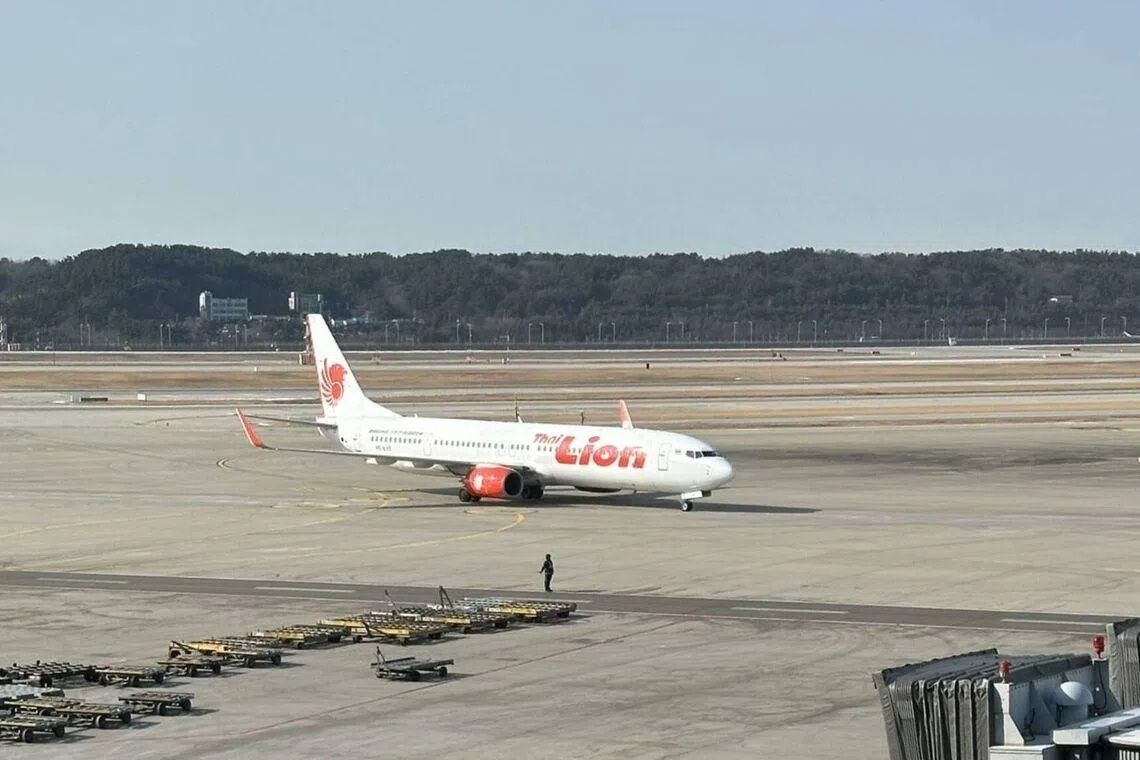
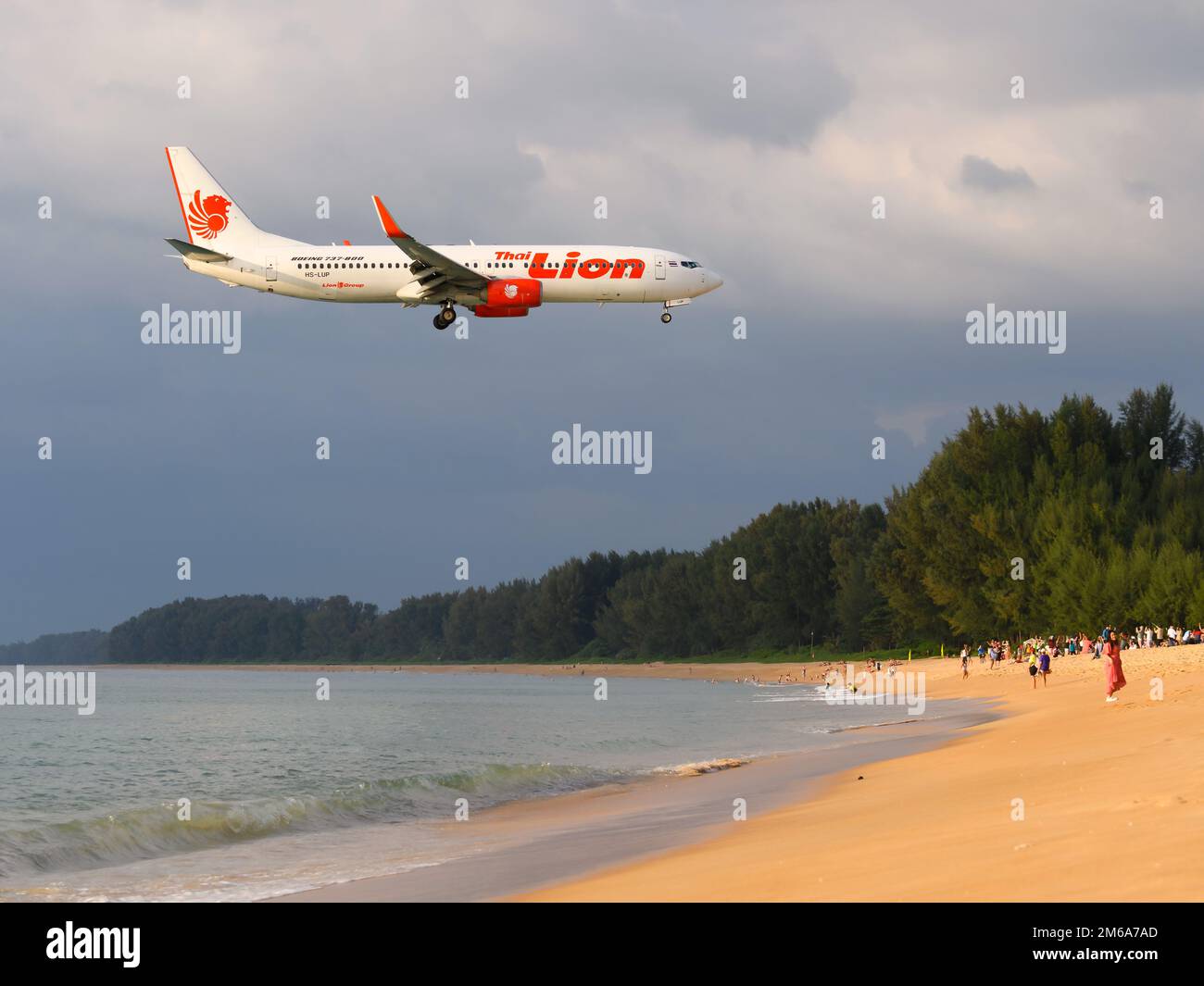
Thai Lion Air Cutting Flights on 15 Routes, Including Phuket-Singapore, as Jet Fuel Costs Surge
The aviation landscape in Southeast Asia is facing a period of significant volatility as operating costs continue to climb. In a decisive move to protect its financial stability, Thai Lion Air is cutting flights on 15 routes, including the critical Phuket-Singapore corridor, as jet fuel costs surge. This strategic retraction highlights the precarious balance low-cost carriers (LCCs) must maintain between affordable pricing and the reality of skyrocketing overheads.
For travelers and tourism operators, the reduction in flight frequency and the removal of specific routes represent more than just a scheduling inconvenience; they are a signal of the broader economic pressures mounting within the regional aviation sector. As fuel—typically one of the largest expenses for any airline—becomes more expensive, the viability of marginal routes is called into question, forcing carriers to prioritize high-demand corridors over secondary connections.
The Scale of the Route Reductions
The decision to scale back operations across 15 different routes is a substantial pivot for Thai Lion Air. While the airline has not detailed every single affected city, the inclusion of the Phuket-Singapore route is particularly noteworthy. This specific link serves as a vital artery for both leisure tourism and business travel, connecting one of Thailand’s premier vacation destinations with one of the world’s most essential financial and aviation hubs.
When an airline cuts routes in this manner, it is rarely a reflection of a lack of passenger demand. Rather, it is often a calculation of unit profitability. In the current economic climate, a route may be “full” in terms of seat occupancy but still “loss-making” if the cost of the fuel required to fly the aircraft exceeds the revenue generated from ticket sales and ancillary fees.
Key Impact Areas
- Regional Connectivity: The reduction in frequency on 15 routes limits the options for travelers, potentially driving them toward full-service carriers or alternative transport.
- Tourism Flow: The Phuket-Singapore link is essential for the “island hopping” and regional tourism circuits that fuel the local economy in Southern Thailand.
- Operational Efficiency: By cutting underperforming or high-cost routes, the airline can reallocate its fleet to routes with better margins.
The decision to prune a network during a fuel crisis is a defensive maneuver designed to prevent systemic losses from cascading across the entire airline operation.
Understanding the Impact of Surging Jet Fuel Costs
Jet fuel, a highly refined form of kerosene, is a global commodity whose price is inextricably linked to the price of crude oil. However, jet fuel often carries a premium due to the stringent refining processes required to ensure safety and performance at high altitudes. When global oil prices spike—whether due to geopolitical instability, supply chain disruptions, or shifts in production quotas—airlines feel the impact almost immediately.
For a low-cost carrier like Thai Lion Air, the impact is amplified. The LCC business model is predicated on high volume and low margins. Unlike full-service carriers, which can often absorb cost increases through premium cabin pricing or corporate contracts, LCCs rely on lean operations. When fuel costs rise sharply, the “lean” margin disappears, turning profitable flights into liabilities.
The Mechanics of Fuel Cost Pressure
To understand why fuel costs lead to route cuts, one must look at the Break-Even Load Factor (BELF). Here’s the percentage of seats that must be filled for a flight to cover its own operating costs. As fuel prices rise, the BELF also rises. If the BELF for a route like Phuket-Singapore climbs to a level that the airline believes is unsustainable or unreachable, the route is flagged for reduction or cancellation.
| Cost Factor | Impact on LCCs | Typical Airline Response |
|---|---|---|
| Rising Jet Fuel Prices | Direct increase in variable costs per flight | Route cuts, fuel surcharges, or ticket price hikes |
| Currency Fluctuation | Fuel is traded in USD, increasing costs if local currency weakens | Currency hedging strategies |
| Airport Fees | Fixed costs that cannot be easily reduced | Negotiating lower landing fees or shifting to secondary airports |
The Strategic Importance of the Phuket-Singapore Route
The decision to cut flights on the Phuket-Singapore route is a significant indicator of the severity of the cost surge. This route is not a “experimental” or “niche” path; it is a cornerstone of regional travel. Singapore serves as a primary gateway for international tourists entering Southeast Asia, many of whom transit through Changi Airport before heading to the beaches of Phuket.
By reducing frequency here, Thai Lion Air is essentially admitting that even high-traffic routes are feeling the pinch. This move may lead to several secondary effects:
- Increased Competition for Remaining Seats: With fewer flights available, the remaining seats on other airlines are likely to see a price surge.
- Shift in Traveler Behavior: Travelers may look for alternative connections, perhaps flying into Bangkok first and taking a domestic flight to Phuket, though this adds time and complexity to the journey.
- Economic Ripple Effects: Local businesses in Phuket that rely on a steady stream of Singaporean visitors may see a dip in arrivals if flight accessibility decreases.
For more information on regional travel trends, you may find a related explainer on Southeast Asian aviation hubs useful.
LCC Vulnerabilities vs. Full-Service Carriers
A common question arises: why are some airlines cutting routes while others continue to fly? The answer lies in the structural differences between the Low-Cost Carrier (LCC) model and the Full-Service Carrier (FSC) model.
1. Revenue Diversification
Full-service carriers have multiple revenue streams, including business class, first class, and cargo operations. These high-margin services can subsidize the cost of fuel for the rest of the aircraft. LCCs, by contrast, have a homogenized product. When fuel costs go up, there is no “luxury” segment to offset the loss.
2. Fuel Hedging Strategies
Many large airlines engage in fuel hedging—essentially buying fuel futures to lock in a price for months or years in advance. If an airline hedged its fuel at $70 per barrel and the market price jumps to $100, that airline is protected. Smaller or more aggressive LCCs may have less sophisticated hedging programs or may have bet on prices staying low, leaving them exposed to “spot price” volatility.
3. Fleet Efficiency
While many LCCs use newer, more fuel-efficient aircraft (like the Boeing 737 MAX or Airbus A320neo), the absolute cost of fuel is still the dominant variable. Even a fuel-efficient plane becomes expensive to operate when the cost per gallon spikes significantly.
Broader Implications for the Thai Aviation Market
Thai Lion Air is not operating in a vacuum. The Thai aviation market is highly competitive, with several major players vying for dominance in both domestic and regional markets. The move to cut 15 routes suggests a broader trend of market consolidation and rationalization.
When one carrier cuts capacity, it often creates a vacuum that other carriers may be tempted to fill. However, if the fuel costs are truly the driver, it is likely that other airlines are also reviewing their route maps. We may see a general trend across the industry where “thin” routes—those with lower passenger volumes—are eliminated entirely in favor of “thick” routes that can guarantee high load factors.
Potential Long-Term Shifts
- Dynamic Pricing: Expect to see more aggressive “dynamic pricing” where ticket costs fluctuate in real-time based on the current day’s fuel price.
- Fuel Surcharges: The return of the explicit “fuel surcharge” on tickets, making it clear to the consumer that the price increase is directly linked to energy costs.
- Fleet Modernization: An accelerated push toward more fuel-efficient aircraft to lower the break-even point.
Common Misconceptions Regarding Route Cuts
It is easy for the public to assume that route cuts mean an airline is on the verge of bankruptcy. However, in the professional aviation world, this is often viewed as disciplined management. Flying a loss-making route just to maintain “presence” is a recipe for financial disaster.

Misconception: “The airline is cutting flights because nobody wants to fly to those places.”
Reality: Often, the flights are full, but the cost of the fuel required to operate the flight is higher than the total revenue from those passengers. The route is “popular” but “unprofitable.”
Misconception: “Fuel costs are the only reason for these cuts.”
Reality: While fuel is the primary driver in this instance, airlines also consider airport landing fees, labor costs, and currency exchange rates. Fuel is often the “last straw” that makes a marginally profitable route become a loss.
Navigating the New Travel Reality
For the consumer, the news of Thai Lion Air cutting flights on 15 routes, including Phuket-Singapore, as jet fuel costs surge serves as a reminder of the fragility of low-cost travel. The era of ultra-cheap regional flights is being challenged by the realities of global energy markets.
Travelers are advised to book flights further in advance and remain flexible with their destinations. As airlines rationalize their networks, the “spontaneous” low-cost trip may become more expensive or less available. Monitoring airline announcements and utilizing flight aggregators will be essential to find the remaining value in a tightening market.
For those interested in how these changes affect broader economic trends, a related analysis on Thailand’s tourism recovery could provide deeper context.
Frequently Asked Questions
Why is Thai Lion Air cutting flights on 15 routes?
The primary driver is the surge in jet fuel costs. When the cost of fuel increases significantly, some routes become financially unsustainable because the expense of operating the flight exceeds the revenue generated from ticket sales.
Which specific routes are affected?
While the airline is cutting a total of 15 routes, one of the most prominent examples is the Phuket-Singapore route. Other affected routes are typically those with lower profit margins or higher fuel requirements.
Does this mean ticket prices will go up?
While route cuts are intended to stop losses, they often lead to reduced supply. When there are fewer flights available on a popular route (like Phuket to Singapore), the remaining seats on other airlines often increase in price due to higher demand.
How does jet fuel impact a low-cost carrier differently than a major airline?
Low-cost carriers (LCCs) operate on much thinner profit margins. Unlike full-service airlines, they lack premium cabins (Business/First Class) that can absorb higher costs. A spike in fuel prices hits their bottom line more directly and severely.
What should travelers do if their flight is cancelled?
Passengers should check their email for official notifications from the airline. Typically, airlines offer the option to rebook on an alternative flight or request a full refund for the affected segment of their journey.
Will these routes ever return?
Aviation routes are dynamic. If jet fuel costs stabilize or decrease, or if the airline finds a way to increase the profitability of those routes (through higher fares or better aircraft), they may reinstate the flights.
