Gum Disease Bacteria Linked to Heart Valve Calcification
Scientific findings suggest a link between oral bacteria and cardiovascular conditions like heart valve calcification and atrial fibrillation. The research indicates that bacteria can relocate to heart tissue, challenging the traditional separation between dental and cardiac care.

New scientific findings suggest that the health of an individual's mouth may be a contributor to the structural integrity of their heart. As of July 12, 2026, researchers are highlighting a link between oral bacteria and the development of serious cardiovascular conditions, ranging from heart valve calcification to irregular heart rhythms.
The connection centers on Porphyromonas gingivalis, a bacterium frequently associated with periodontal disease. According to research presented at the American Heart Association’s Basic Cardiovascular Sciences Scientific Sessions 2026, this pathogen may encourage calcium deposits to build up in the aortic valve, a condition known as calcific aortic valve stenosis (CAVS). When the aortic valve thickens and calcifies, it restricts blood flow, potentially leading to heart failure or the need for surgical intervention.
Related media


Biological Pathways to Heart Damage
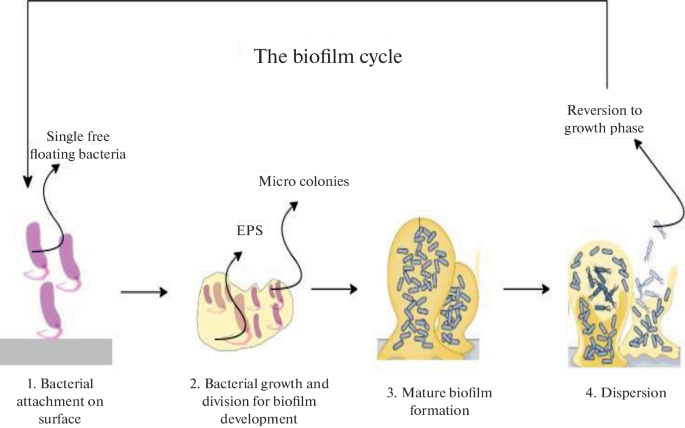
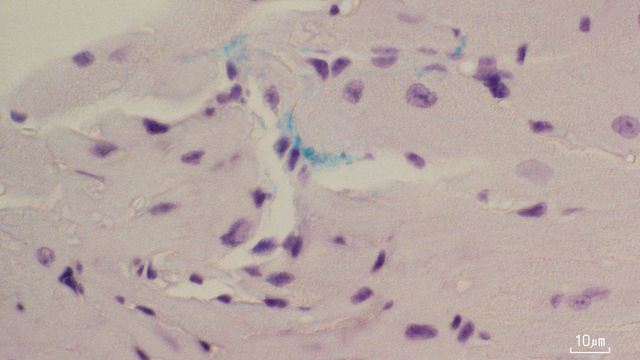
The mechanism behind this process involves the bacteria entering the bloodstream through inflamed gum tissue. Once in the circulatory system, P. Gingivalis can infiltrate cardiac tissue. In studies, researchers observed that the presence of these bacteria in the heart’s left atrium drives the development of fibrosis, or scar tissue. This scarring distorts the heart’s architecture and interferes with electrical signaling, which increases the risk of atrial fibrillation (AFib).
Experts note that this is a departure from earlier theories that focused solely on systemic inflammation. While the body’s immune response to oral bacteria does release inflammatory signals that can damage distant organs, the new research indicates that the bacteria themselves can physically relocate to heart structures, including valves and muscle tissue. In human subjects, investigators identified higher loads of P. Gingivalis in the left atrial tissue of patients who already suffered from both AFib and severe gum disease.
The Interconnected Patient
Medical professionals emphasize that the mouth and heart are often treated as separate domains, a practice that this new data challenges. Shelley Diviney, a health administrator and former dental hygienist, notes that the tissue lining the gums is biologically similar to the tissue found in arteries. When that barrier is breached by infection, the resulting systemic damage can mirror the plaques seen in cardiovascular disease.
Beyond valve calcification and arrhythmias, the impact of poor oral health is linked to broader chronic issues including diabetes and dementia. Despite these associations, some cardiologists urge caution regarding the interpretation of these findings. Sergiu Darabant, a cardiologist with the Miami Cardiac & Vascular Institute, noted that because much of the evidence remains observational, it is difficult to prove a definitive causal relationship or to confirm that treating gum disease will automatically result in fewer cardiovascular events.
What to Watch Next
As the scientific community digests these findings, several steps are underway to clarify the risks and improve patient outcomes:
- Clinical Validation: Researchers have initiated clinical studies to transition from animal models and observational data to human trials that can confirm the direct influence of periodontal treatment on heart health.
- Interdisciplinary Collaboration: Medical centers are establishing systems to ensure that dental and cardiac care teams work in tandem, treating patients through a unified lens rather than as separate clinical entities.
- Preventive Initiatives: The American Heart Association’s
Healthy Smiles, Healthy Hearts™
initiative is currently working to educate dental teams on blood pressure screenings and to raise awareness about the systemic risks of untreated periodontal disease.
For individuals, the clinical consensus remains that routine dental hygiene—including brushing and flossing—serves as a primary line of defense. Dr. Nathan Estrin, a periodontist, noted that while long-term trials are still needed to prove the mechanism, the existing association is sufficiently strong to warrant closer attention from both patients and clinicians. Regular dental checkups, often a patient’s only consistent interaction with the healthcare system, are increasingly viewed as essential, not just for oral aesthetics, but as a critical component of preventive heart health.
Archypedia is dedicated to independent, evidence-backed reporting. This briefing was synthesized from primary source reporting, corroborated across independent newsrooms, and verified against our Editorial Standards.
Transparency record
Evidence behind this report
This report synthesizes 8 distinct sources. Open the source ledger below to compare the underlying coverage.
- miragenews.com
- foxnews.com
- lifetechnology.com
- sciencedaily.com
- wusf.org
- technologynetworks.com
- scitechdaily.com
- hiroshima-u.ac.jp
Prepared under the Archypedia Editorial Policy by the Lina Park editorial desk profile. AI-assisted tools may support drafting and verification; public accountability remains with Archypedia. Report an error.