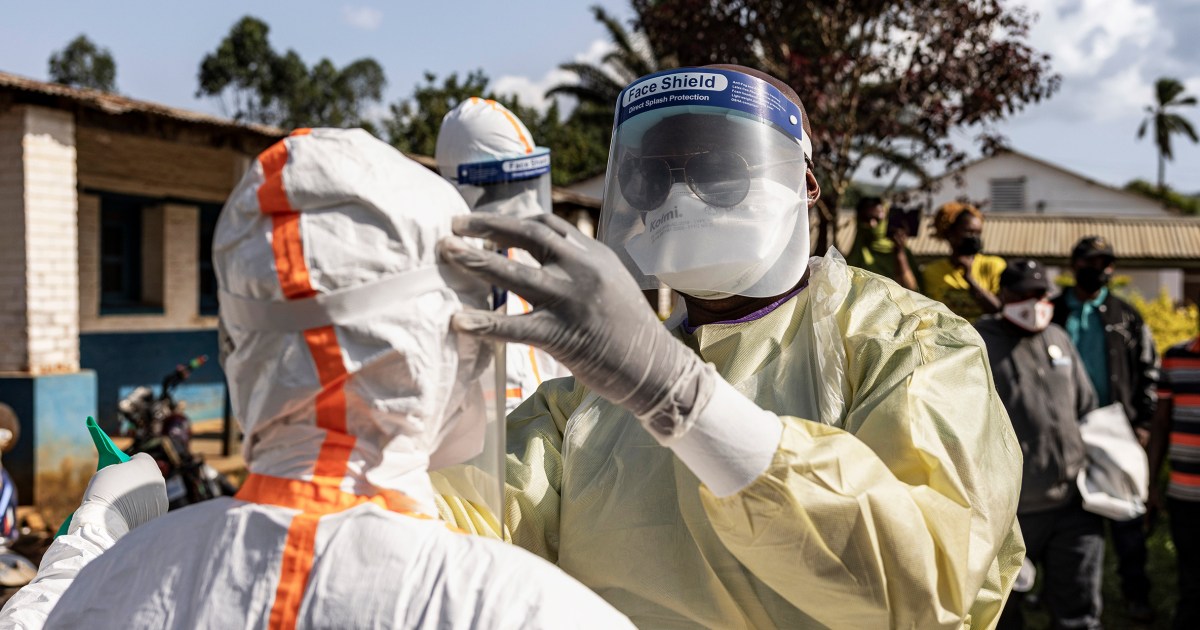
Africa CDC, WHO chiefs to visit DRC's Ebola epicenter to accelerate response
The heads of Africa CDC and the WHO are conducting a joint mission to the Democratic Republic of the Congo to coordinate efforts against a spreading Ebola outbreak.
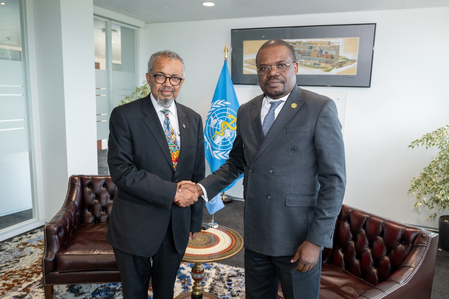
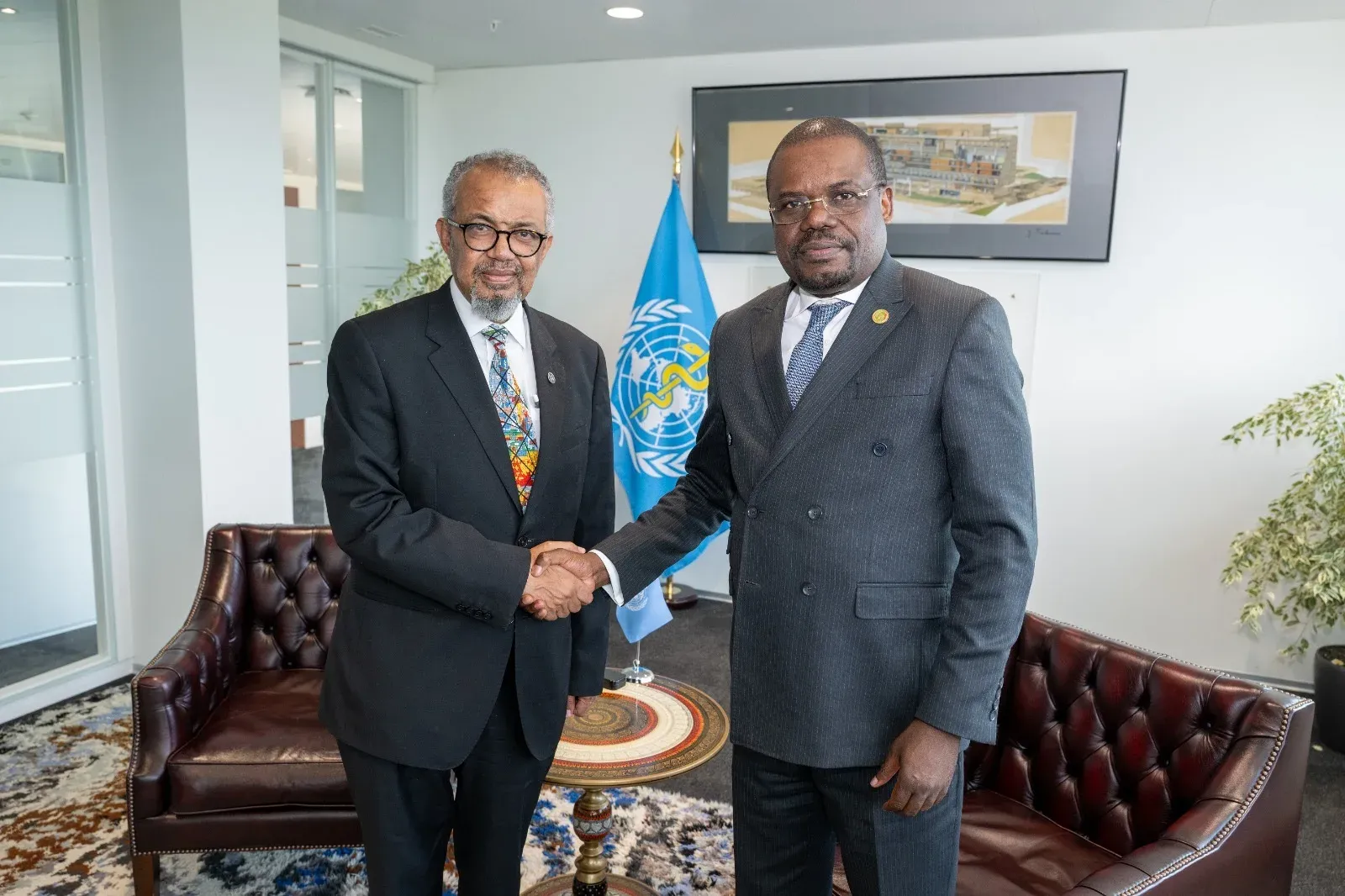
The heads of the Africa Centres for Disease Control and Prevention (Africa CDC) and the World Health Organization (Who) will travel to the eastern Democratic Republic of the Congo (DRC) next week to lead a joint mission aimed at accelerating the response to a spreading Ebola outbreak. Africa CDC Director-General Jean Kaseya and WHO Director-General Tedros Adhanom Ghebreyesus are scheduled to visit Bunia, the capital of Ituri Province and the current epicenter of the virus, on July 18 and 19, 2026.
The mission follows a high-level meeting in Geneva, Switzerland, where the two leaders identified a need for "urgent action required on the ground," according to a statement from Kaseya issued on X. The visit is intended to strengthen coordination and mobilize support to stop transmission, with the leaders planning to meet frontline health workers, national authorities, response partners, and affected communities.
Related media

The urgency of the visit comes as the outbreak, caused by the Bundibugyo Ebola virus, expands its geographic footprint. According to reporting from Nationpress and Lokmattimes, Haut-Uele province in northeastern DRC became the fourth province officially affected by the epidemic on Friday, July 11. Governor Jean Bakomito Gambu made the declaration after the National Institute for Biomedical Research (INRB) confirmed seven fatal cases in the Wamba health zone on Thursday.
A Continental Response Strategy
The joint mission is the latest step in a broader regional effort. On June 5, 2026, the Africa CDC and Who launched a joint continental preparedness and response plan covering June to November 2026. This "One Response" approach seeks to raise US$ 518 million to support affected countries in disease surveillance, laboratory testing, and clinical care.
The plan is designed to complement national efforts, with the DRC government announcing contributions of USD 50 million and Uganda announcing USD 5 million. To date, pledges totaling USD 910 million have been made, including USD 80 million from African Member States toward a USD 100 million target, according to the Africa CDC.
Dr. Tedros Adhanom Ghebreyesus emphasized that the strategy relies on community engagement, stating:
"Containing Ebola depends on political commitment, sustained financing, and the trust and engagement of communities. This plan places communities at the centre, because without their participation, contact tracing falters, safe care is delayed, and transmission continues."
Tedros Adhanom Ghebreyesus, WHO Director-General, via WHO
But the response faces severe obstacles. A Virtual High Level Presidential Meeting held on June 16, 2026, noted that the outbreak has hit a "critical operational tipping point." Factors contributing to the spread include high population mobility linked to mining, insecurity, community mistrust, and gaps in infection prevention and control. Furthermore, there are currently no licensed vaccines or therapeutics specifically approved for the Bundibugyo species of Ebola.
Epidemiological Status and Critical Needs
The virus has already crossed borders, affecting both the DRC and Uganda. As of June 15, 2026, a total of 827 confirmed cases and 194 confirmed deaths were reported across the two nations. The vast majority of these occurred in the DRC, which recorded 808 cases and 192 deaths across Ituri, North Kivu, and South Kivu. Uganda reported 19 confirmed cases and 2 deaths.
While Ituri is the epicenter, North Kivu has emerged as a major concern due to daily increases in confirmed cases and a case fatality ratio estimated at 64%.
Kaseya has stressed that "speed saves lives" in the context of an Ebola outbreak. In a recent interview with Xinhua, he called for enhanced international solidarity and specified that the response requires:
- Faster diagnosis and more rigorous contact tracing.
- Expanded isolation and treatment capacity.
- Increased supplies and protection for health workers.
- Close collaboration with local communities to find cases earlier.
Operational Outlook
The African Union has urged countries to avoid blanket travel or trade bans, arguing they are not supported by public health evidence and may discourage reporting or delay the movement of samples and responders. Instead, the Africa CDC advocates for risk-based measures and exit screening at points of entry.
| Metric (as of June 15, 2026) | DR Congo (DRC) | Uganda | Total |
|---|---|---|---|
| Confirmed Cases | 808 | 19 | 827 |
| Confirmed Deaths | 192 | 2 | 194 |
What to watch next: The July 18–19 visit to Bunia is expected to produce a coordinated action plan to prevent further provincial spread. health authorities are pushing for accelerated access to candidate vaccines and the establishment of "corridors of peace" to allow humanitarian access to high-risk areas in North and South Kivu.
Archypedia is dedicated to independent, evidence-backed reporting. This briefing was synthesized from primary source reporting, corroborated across independent newsrooms, and verified against our Editorial Standards.
Transparency record
Evidence behind this report
This report synthesizes 6 distinct sources. Open the source ledger below to compare the underlying coverage.
- lokmattimes.com
- english.news.cn
- nationpress.com
- namibiadailynews.info
- who.int
- africacdc.africa-newsroom.com
Prepared under the Archypedia Editorial Policy by the Lina Park editorial desk profile. AI-assisted tools may support drafting and verification; public accountability remains with Archypedia. Report an error.