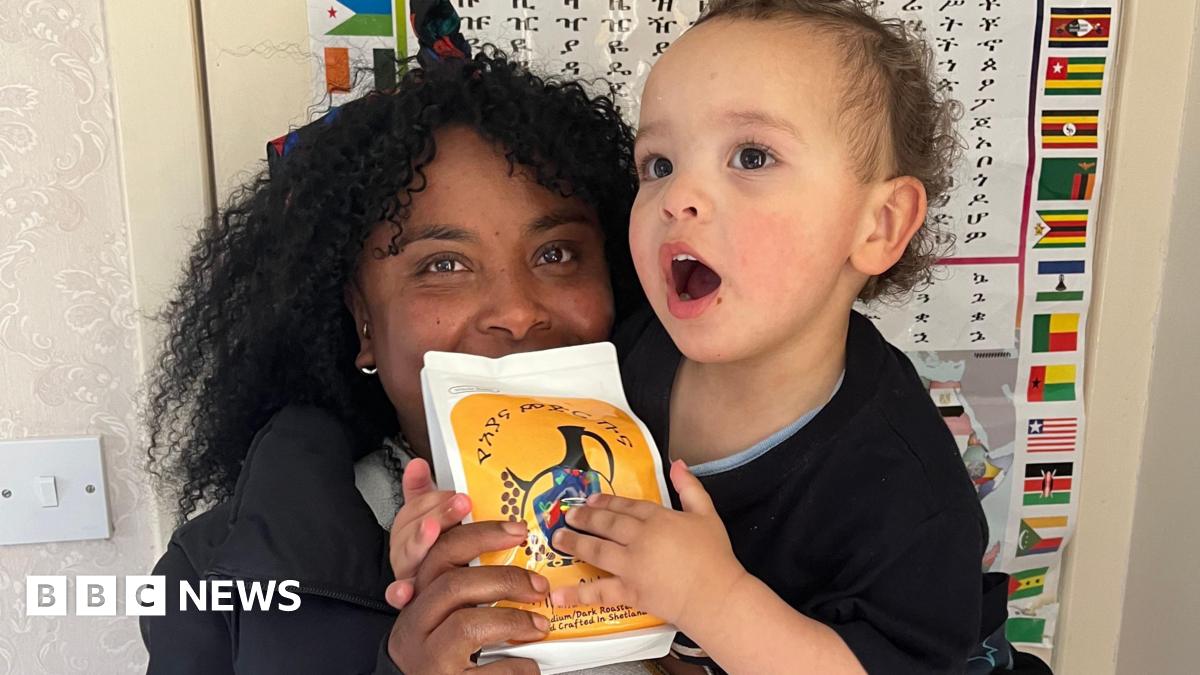
I’ve moved from Ethiopia to Shetland – and I’ve brought the coffee with me – BBC: A Journey of Culture and Caffeine
The distance between the highlands of Ethiopia and the rugged archipelago of the Shetland Islands is more than just a matter of thousands of miles; it is a contrast of climate, landscape, and social rhythm. Yet, for one individual, this vast geographic and cultural divide has been bridged by a single, aromatic thread: the tradition of Ethiopian coffee. The story, centered on the premise, “I’ve moved from Ethiopia to Shetland – and I’ve brought the coffee with me – BBC,” serves as a poignant exploration of how migration is not merely the movement of people, but the transport of heritage, sensory memories, and communal rituals.
In the heart of the Horn of Africa, coffee is not simply a morning stimulant; it is the social fabric of the nation. In the remote, wind-swept reaches of Scotland’s northernmost islands, where the North Atlantic crashes against granite cliffs, this tradition has found an unlikely but welcoming new home. This transition highlights a universal human truth: that the most effective way to integrate into a new community is often to share the most cherished parts of one’s own.
The Sacred Ritual: Understanding the Ethiopian Coffee Ceremony
To understand why bringing coffee to Shetland is a significant act of cultural preservation, one must first understand the depth of coffee in Ethiopia. As the birthplace of Coffea arabica, Ethiopia views coffee (known locally as buna) as a cornerstone of identity. The traditional coffee ceremony is a meticulously choreographed ritual that emphasizes patience, hospitality, and community.
Unlike the fast-paced “grab-and-go” coffee culture prevalent in much of the West, the Ethiopian ceremony is a slow process that can last several hours. It is a designated time for neighbors to gather, discuss local news, and resolve conflicts.
The Stages of the Buna Ceremony
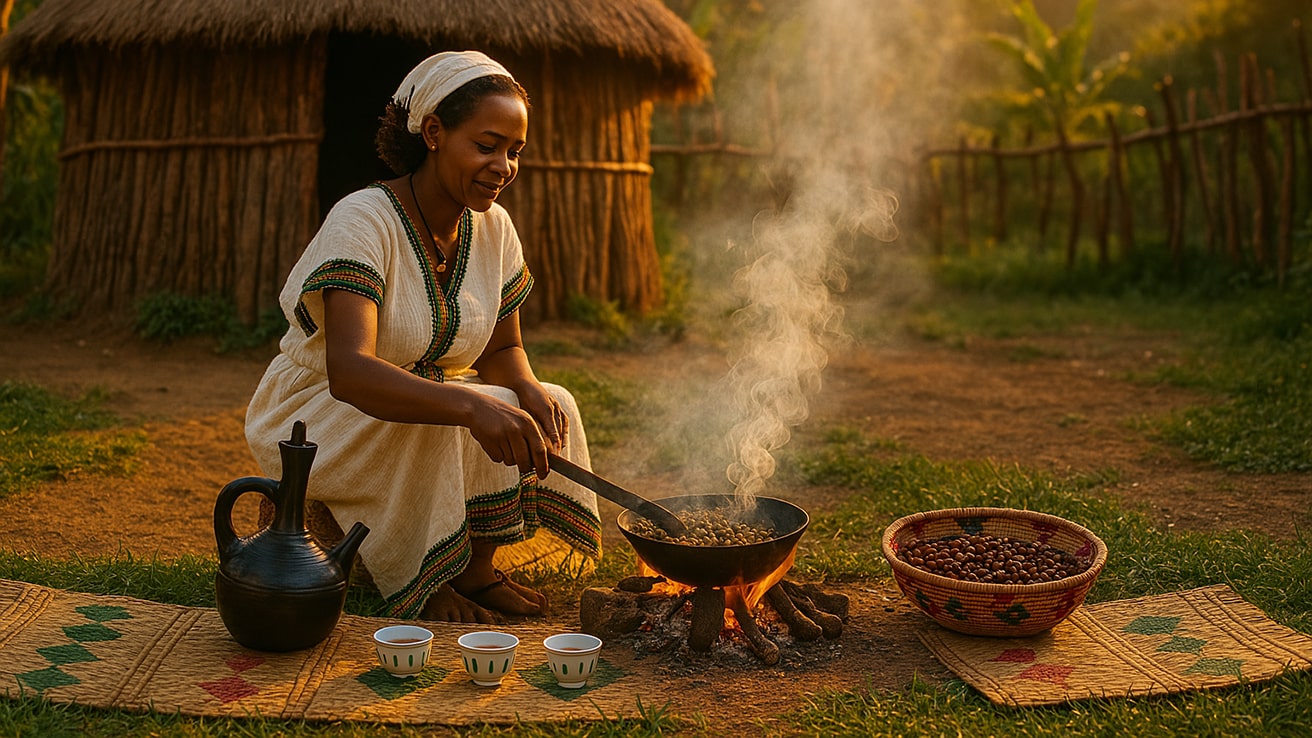
- The Preparation: The process begins with the washing of green coffee beans, which are then roasted in a flat pan called a menkeshesha over an open flame. The aromatic smoke is often wafted toward the guests, signaling the start of the gathering.
- The Grinding: Once roasted to a deep brown, the beans are ground using a mortar and pestle, a rhythmic sound that serves as a sonic invitation to the community.
- The Brewing: The coffee is brewed in a traditional clay pot known as a jebena. The liquid is poured in a single, continuous stream from a height to create a slight froth.
- The Three Rounds: The ceremony typically consists of three rounds of serving. The first, Abol, is the strongest; the second, Tona, is slightly weaker; and the third, Baraka, is seen as a blessing.
By bringing this ritual to Shetland, the migrant is not just bringing a beverage, but a structured way of socializing that prioritizes presence and connection over efficiency.
Shetland: A Landscape of Contrast
Shetland represents one of the most extreme environments in the British Isles. Located far north of mainland Scotland, the islands are characterized by a maritime climate, peat moorlands, and a history deeply influenced by Norse heritage. For someone arriving from the tropical latitudes of Ethiopia, the physical shock is immediate.
The contrast is stark:
| Feature | Ethiopian Highlands | Shetland Islands |
|---|---|---|
| Climate | Tropical/Highland (Warm to temperate) | Subpolar Oceanic (Cool, windy, damp) |
| Landscape | Plateaus, deep valleys, volcanic peaks | Rugged cliffs, peat bogs, coastal inlets |
| Social Pace | Communal, ritual-driven, slow-paced | Resilient, independent, community-reliant |
| Primary Flora | Coffee forests, teff, diverse tropical plants | Heather, grasses, limited tree cover |
In such an isolated environment, the “outsider” often faces a dual challenge: the physical battle against the elements and the social effort to find a place within a tight-knit, established community. The act of brewing coffee becomes a tool for diplomacy and a bridge for understanding.
Coffee as a Catalyst for Integration
The phrase “I’ve moved from Ethiopia to Shetland – and I’ve brought the coffee with me – BBC” underscores the idea of “cultural luggage.” Every migrant carries intangible assets—languages, recipes, beliefs, and habits—that they use to navigate their new surroundings. When these assets are shared, they transform from private memories into public bridges.
In Shetland, where the weather often forces people indoors for long periods, the Ethiopian coffee ceremony provides a perfect social lubricant. The slow nature of the ritual encourages long conversations, which is essential for building deep trust in small-island communities. It transforms a kitchen or a living room into a “third space”—a place that is neither work nor purely domestic, but a site of social exchange.
“Sharing a tradition is the fastest way to turn a stranger into a neighbor. When you invite someone to watch the beans roast and smell the smoke, you are inviting them into your history.”
Overcoming Cultural Misconceptions
One of the primary hurdles in such a transition is the misconception that “integration” means “assimilation.” Assimilation suggests that the migrant should shed their old identity to blend into the new one. However, the success of introducing Ethiopian coffee to Shetland suggests that integration is a two-way street. It is not just about the migrant learning how to live in Shetland, but about Shetlanders learning something new about Ethiopia.
Common misconceptions corrected through this exchange include:
- The “Instant” Fallacy: Many in the West view coffee as a utility. The Ethiopian tradition teaches that coffee can be a meditative practice.
- The Monolithic View: By sharing the specific rituals of their home, migrants challenge the simplified, often news-driven stereotypes of their home countries, replacing them with a human, sensory experience.
The Logistics of Cultural Transport
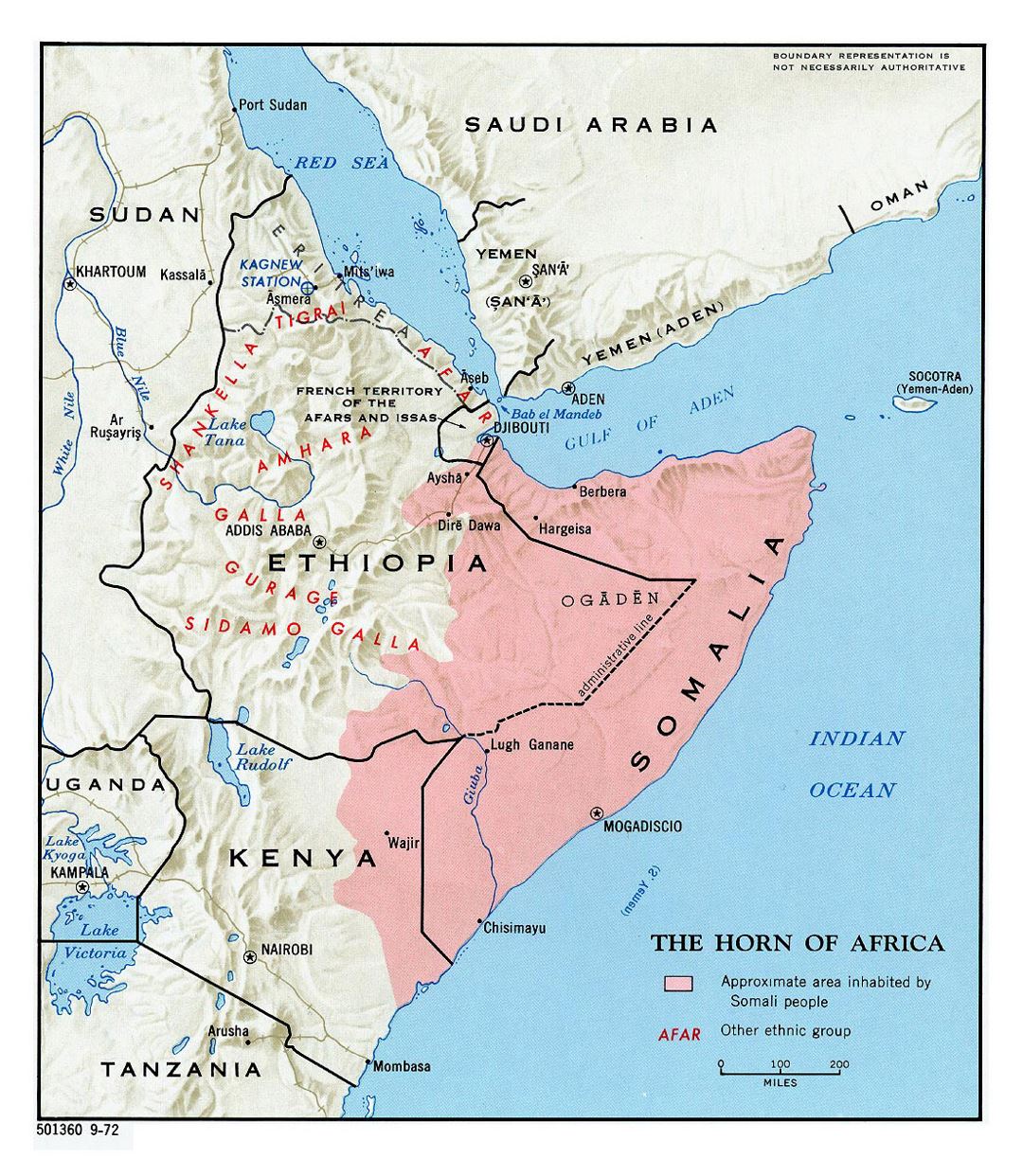
Moving a tradition across the globe involves more than just emotional willpower; it involves physical logistics. Bringing the “coffee” to Shetland means sourcing high-quality Arabica beans from the birthplace of the crop and, in some cases, acquiring the specialized tools like the jebena.
The challenge of maintaining these traditions in a remote location adds a layer of resilience to the experience. When the supply chain is long and the environment is harsh, the effort put into the ritual increases its value. The coffee becomes a symbol of endurance and a tangible link to a distant homeland.
For those interested in the broader implications of cultural exchange, a related explainer on the sociology of migration may provide further insight into how “sensory anchors” like food and drink help individuals maintain mental health during major life transitions.
The Wider Implications: Migration and the Global Village
While this story is a personal account, it mirrors a global trend of “micro-cultural exchanges.” In an era of unprecedented global mobility, minor towns and remote islands are becoming unexpected hubs of diversity. This phenomenon creates a “global village” effect, where a resident of a remote Scottish island can experience the authentic flavors and social structures of the Horn of Africa without leaving their county.
The Psychological Impact of Sensory Anchors
Psychologists often speak of “sensory anchors”—smells, tastes, or sounds that trigger powerful memories and provide emotional stability. For a migrant, the scent of roasting coffee is a powerful anchor. By recreating this scent in Shetland, the individual creates a “safe space” that mitigates the feelings of isolation and homesickness. When others are invited into this space, the anchor becomes a shared experience, reducing the psychological distance between the migrant and the host community.
Economic and Social Synergy
There is also a potential for economic synergy. As specialty coffee culture grows worldwide, the appreciation for single-origin Ethiopian beans increases. The personal story of a migrant bringing their culture to a remote area can spark local interest in fair-trade sourcing and a deeper appreciation for the agricultural labor involved in coffee production in East Africa.
Key Takeaways from the Ethiopia-to-Shetland Transition
The journey from the Horn of Africa to the North Atlantic is a testament to the resilience of human culture. The key elements of this transition can be summarized as follows:
- Ritual over Routine: The shift from coffee as a routine (caffeine intake) to coffee as a ritual (social connection).
- Sensory Diplomacy: Using smell and taste to bypass linguistic or cultural barriers.
- Bidirectional Learning: The realization that the host community gains as much from the migrant’s culture as the migrant gains from the host’s.
- Combatting Isolation: Utilizing communal traditions to fight the loneliness often associated with moving to remote regions.
This narrative encourages a rethink of how we view diversity in remote areas. Instead of seeing the arrival of new cultures as a challenge to be managed, it can be seen as an enrichment of the local tapestry. The aroma of Ethiopian coffee in a Shetland cottage is a symbol of a world that is becoming smaller, more connected, and more empathetic.
Frequently Asked Questions
Why is Ethiopian coffee considered different from other types?
Ethiopia is the genetic birthplace of Arabica coffee. Because of the diverse microclimates in the Ethiopian highlands, the beans possess a wide array of natural flavor profiles, often described as floral or fruity. The traditional Buna ceremony adds a social and spiritual dimension that is absent from standard commercial coffee consumption.
What are the biggest challenges of moving from a warm climate like Ethiopia to a cold one like Shetland?
Beyond the obvious temperature drop, the primary challenges include the drastic change in daylight hours (with very short days in winter), the wind-driven dampness of the North Atlantic, and the transition from a highly communal, outdoor-oriented social life to a more indoor, private social structure.
How does the Ethiopian coffee ceremony help in social integration?
The ceremony is designed to be slow and inclusive. By inviting new acquaintances to participate in a process that takes hours, it forces a slower pace of interaction, allowing for deeper conversations and the building of genuine relationships, which helps the migrant feel seen and valued in their new community.
Is it common for migrants to use food or drink to integrate into new societies?
Yes, this is a well-documented sociological phenomenon. Food and drink are “low-stakes” entry points for cultural exchange. They provide a neutral ground where people can express their identity and share their history without the need for complex political or social debates.
Can the Ethiopian coffee tradition be replicated without a traditional jebena?
While the jebena (clay pot) is central to the authentic experience and affects the flavor and pouring style, the core of the tradition—the roasting, the grinding, and the three rounds of serving—can be adapted using modern equipment. However, the “spirit” of the tradition lies in the time dedicated to the process and the people gathered around it.
The story of moving from Ethiopia to Shetland is more than a tale of two places; it is a story of how we carry our homes within us and how, by sharing those homes with others, we create new ones. The simple act of brewing coffee becomes a powerful statement of belonging, proving that no matter how far one travels, the warmth of a shared cup can make any place feel like home.
