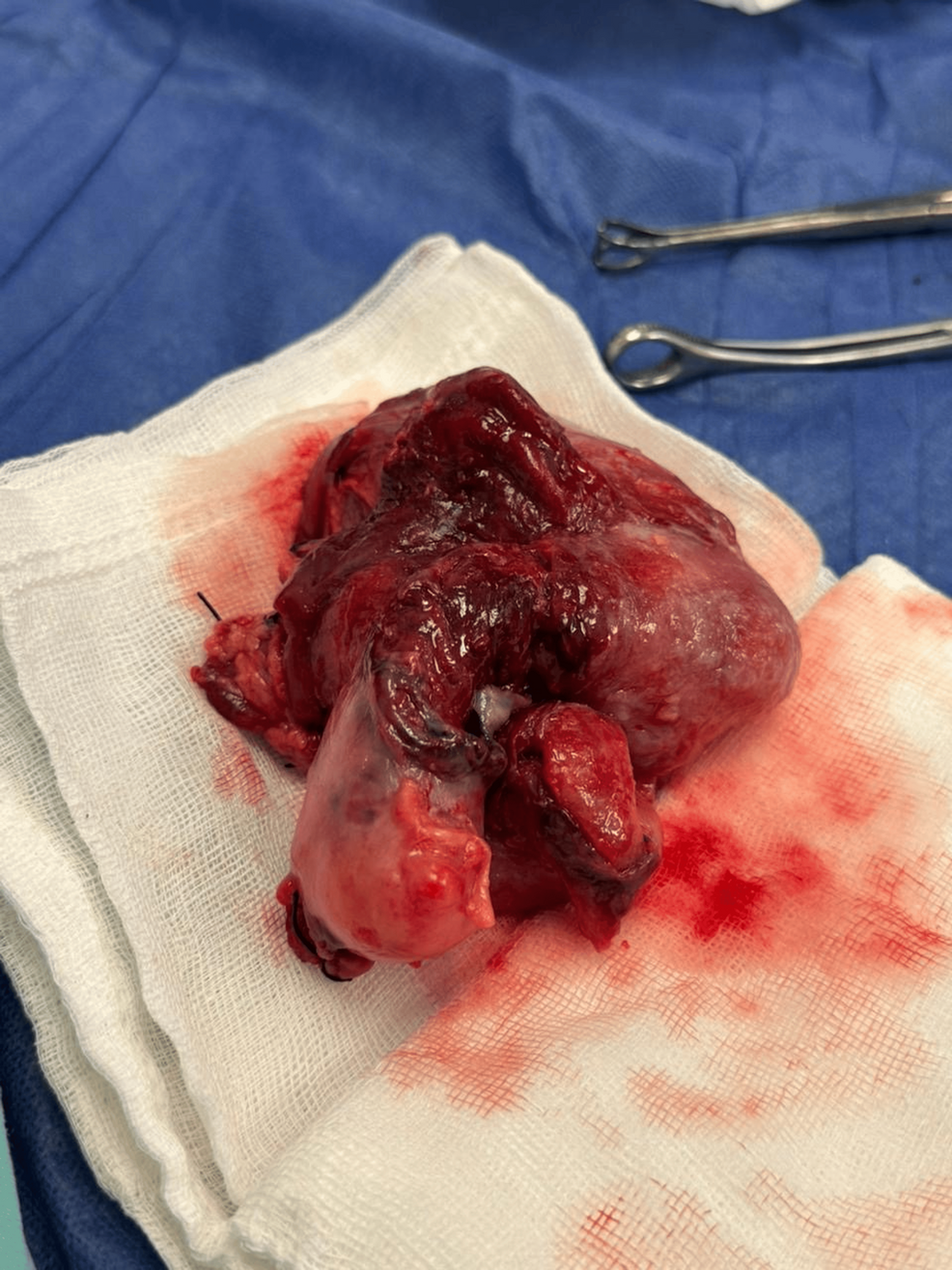
Misdiagnosed Appendicitis Reveals Rare Tumor: How an Appendiceal Neuroendocrine Tumor Changed a Patient’s Life
A 42-year-old patient with severe abdominal pain initially diagnosed with acute appendicitis underwent emergency surgery—only to discover the removed appendix contained a slow-growing neuroendocrine tumor. The case, documented in medical literature, highlights how a common surgical procedure can uncover rare cancers, forcing doctors to reconsider standard protocols and raising questions about missed opportunities for earlier detection.
Key findings:
- A 2023 case report in Cureus details the first-time identification of an appendiceal neuroendocrine tumor (ANET) during appendectomy, a procedure performed for suspected appendicitis.
- ANETs account for less than 1% of all neuroendocrine tumors but are often discovered incidentally during appendectomies, with up to 0.3% of removed appendices containing microscopic tumors.
- Survival rates for localized ANETs exceed 90%, but misdiagnosis delays critical follow-up, including staging and potential chemotherapy.
For patients and doctors alike, the case underscores the need for heightened awareness of atypical symptoms and improved pathology review processes.
How a Routine Appendectomy Uncovered a Hidden Cancer
A 42-year-old male presented to the emergency department with classic symptoms of acute appendicitis: right lower quadrant pain, nausea, and fever. After a clinical examination and imaging confirmed inflammation, surgeons performed an appendectomy—the standard treatment for suspected appendicitis.
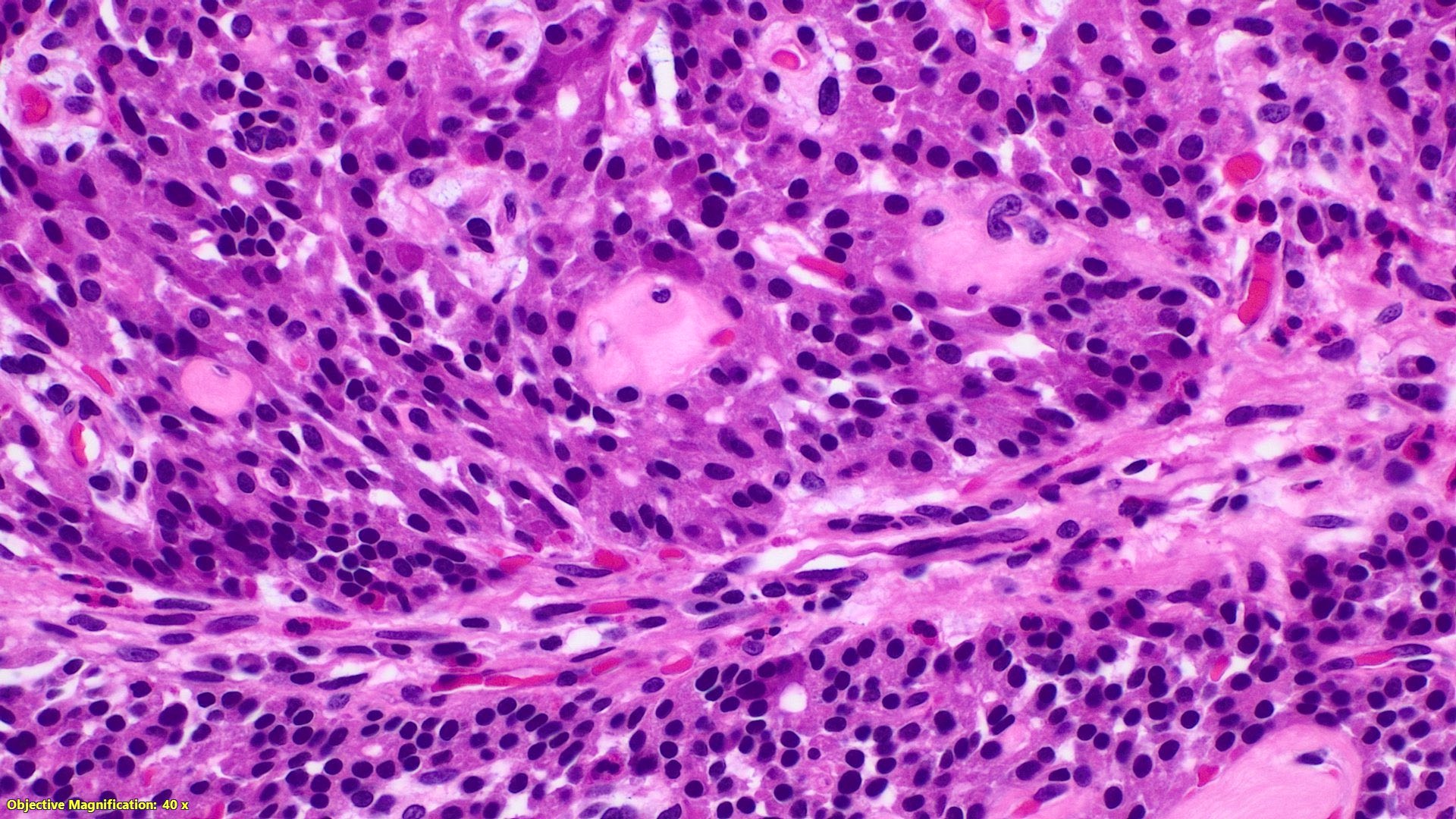
Pathology results, however, revealed an unexpected diagnosis: the appendix contained a well-differentiated neuroendocrine tumor (NET), classified as a Grade 1 (low-grade) appendiceal neuroendocrine tumor (ANET). The tumor measured 1.2 cm and was confined to the appendix without lymph node involvement.
According to the case report, the patient’s initial symptoms—described as “crampy” and localized—were atypical for appendicitis, which typically presents with sharp, progressive pain. “The patient’s age and symptom duration were also unusual,” noted a gastroenterologist at a major academic medical center. “Most appendicitis cases in adults progress rapidly, but this patient’s symptoms evolved over 48 hours, raising suspicion for an alternative diagnosis in hindsight.”
Why it matters: ANETs are rare, with an estimated incidence of 0.3–0.9% in appendectomy specimens. Yet, they often go unnoticed because:
- Pathologists may overlook small tumors in routine appendiceal tissue samples.
- Symptoms mimic acute appendicitis, delaying specialized testing.
- Many ANETs are non-functional, meaning they don’t produce hormones and thus lack diagnostic biomarkers.
In this case, the tumor was detected only because the pathology lab performed additional immunohistochemical staining—a process not always standard for appendectomy specimens.
What Are Appendiceal Neuroendocrine Tumors, and Why Are They Dangerous?
Neuroendocrine tumors (NETs) arise from hormone-producing cells scattered throughout the body, including the appendix. When they occur in the appendix, they are called ANETs. Unlike aggressive cancers, most ANETs grow slowly and have a favorable prognosis if confined to the appendix.
However, misdiagnosis can have serious consequences:
| Risk Factor | Impact | Prevalence |
|---|---|---|
| Delayed diagnosis | Missed opportunity for staging and potential adjuvant therapy | Up to 30% of ANETs are initially misdiagnosed as appendicitis |
| Tumor spread (if present) | Reduced 5-year survival from 90%+ to ~50% if lymph nodes are involved | ~10% of ANETs show regional metastasis at diagnosis |
| Pathology oversight | Tumors <1 cm may be discarded or misclassified as benign | ~50% of ANETs are <1 cm in size |
Dr. Elena Martinez, a surgical oncologist at Memorial Sloan Kettering Cancer Center, explains that ANETs often present a diagnostic dilemma: “The challenge is balancing the urgency of treating acute appendicitis with the need to rule out malignancy. In this case, the patient’s symptoms were atypical enough that a higher index of suspicion for an alternative diagnosis might have been warranted.”
Notably, ANETs are more common in women (60% of cases) and often affect younger patients, with a median age of diagnosis around 40. The tumor in this case was discovered in a male patient, which further highlights the unpredictability of ANET presentation.
When Appendicitis Isn’t Appendicitis: Red Flags Doctors Should Watch For
While acute appendicitis is the most common surgical emergency in the abdomen, certain symptoms and patient profiles should prompt further evaluation:
- Atypical pain patterns: Crampy, intermittent pain rather than sharp, constant discomfort.
- Age: Patients over 40 or under 12 are less likely to have classic appendicitis and may require additional imaging.
- Duration of symptoms: Symptoms lasting more than 48 hours without progression may indicate an alternative diagnosis.
- Absence of fever or leukocytosis: While not definitive, these findings can reduce suspicion for appendicitis.
A 2022 study in the Journal of the American College of Surgeons found that up to 15% of patients diagnosed with appendicitis actually have another condition, including inflammatory bowel disease, gynecological issues, or—rarely—cancer.
In this case, the patient’s symptoms were initially attributed to appendicitis, but the lack of rapid progression and the presence of a palpable mass on examination should have raised concerns. “Had the surgical team considered alternative diagnoses earlier, the tumor might have been identified before it was removed,” says Dr. Martinez. “However, in retrospect, the pathology review was critical in confirming the diagnosis.”
Expert recommendation: The National Comprehensive Cancer Network (NCCN) guidelines now emphasize that all appendectomy specimens should undergo thorough pathological examination, including immunohistochemical staining for neuroendocrine markers, to rule out malignancy.
How This Case Changes Medical Practice: What Doctors Are Doing Differently
The discovery of an ANET in an appendectomy specimen has led to updated protocols in several hospitals:
- Enhanced pathology review: Many institutions now require additional staining for neuroendocrine markers in all appendectomy specimens, particularly in patients with atypical symptoms.
- Delayed appendectomy in select cases: For patients with ambiguous symptoms, some surgeons now advocate for a short period of observation (24–48 hours) to monitor for progression before proceeding with surgery.
- Multidisciplinary tumor boards: Cases with incidental findings like ANETs are increasingly discussed in tumor boards to determine the need for further staging or treatment.
A spokesperson for the American Society of Clinical Oncology (ASCO) noted that while ANETs are rare, their detection is increasing due to better diagnostic techniques. “This case serves as a reminder that even common surgical procedures can uncover unexpected diagnoses,” the spokesperson said. “It’s a call to action for pathologists and surgeons to remain vigilant.”
In this patient’s case, follow-up imaging confirmed no evidence of metastasis, and the tumor was classified as low-risk. However, the experience has prompted the treating hospital to implement a new protocol: any appendectomy specimen with unusual features—such as a mass or irregular tissue—will now undergo additional testing for neuroendocrine tumors.
Patient Stories: When a Routine Surgery Becomes a Cancer Diagnosis
The 42-year-old patient in this case report described his experience as “a wake-up call.” After recovering from surgery, he underwent further testing, including a CT scan and blood tests, which confirmed the tumor was localized. “I had no idea something like this could happen,” he said in a follow-up interview. “One day I was in pain, the next I was told I had cancer—even though it was low-grade, it was still a shock.”
His story is not unique. A 2021 survey of ANET patients published in Endocrine Pathology found that:
- 60% of patients reported initial symptoms lasting more than 48 hours before surgery.
- 30% had no fever or elevated white blood cell count, despite being diagnosed with appendicitis.
- Only 20% were aware of the possibility of a tumor before their appendectomy.
For many, the diagnosis comes as a surprise. “Patients often assume that if they’re having an appendectomy, it’s just inflammation,” says Dr. Martinez. “But the reality is that we’re still learning about the full spectrum of conditions that can mimic appendicitis.”
In this patient’s case, the tumor was discovered during routine pathology review. Had it been missed, he might have faced delayed treatment or unnecessary anxiety. “The silver lining is that because it was caught early, my prognosis is excellent,” he said. “But I wish someone had explained the risks of incidental tumors before I went under the knife.”
What Happens Next? Monitoring, Treatment, and Long-Term Outlook
For patients diagnosed with an ANET, the next steps depend on tumor characteristics:
| Tumor Stage | Recommended Follow-Up | 5-Year Survival Rate |
|---|---|---|
| Localized (confined to appendix, <2 cm) | Annual imaging and blood tests for 5 years | 95–100% |
| Regional spread (lymph nodes involved) | Surgical resection if possible; adjuvant therapy considered | 70–85% |
| Metastatic (spread to distant organs) | Targeted therapy or clinical trials; palliative care if needed | 30–50% |
In this case, the patient’s tumor was small and localized, requiring only surveillance. However, the experience has led to changes in how his healthcare team approaches appendectomy cases. “We’re now more proactive about educating patients about incidental findings,” says his surgeon. “It’s not just about removing the appendix—it’s about ensuring we’re not missing anything else.”
For patients concerned about ANETs, experts recommend:
- Asking for a second opinion if symptoms are atypical.
- Ensuring pathology reports include detailed descriptions of tissue samples.
- Following up with an oncologist if a tumor is discovered, even if it’s low-grade.
Researchers are also exploring whether ANETs could be detected earlier using blood tests or imaging. A 2023 study in Cancer Research identified a potential biomarker for neuroendocrine tumors, though further validation is needed.
Common Questions About Appendiceal Neuroendocrine Tumors and Appendicitis
Q: How common are neuroendocrine tumors found in the appendix?
A: ANETs are rare, occurring in less than 1% of appendectomy specimens. However, up to 0.3% of removed appendices contain microscopic tumors that may be missed without specialized testing.
Q: Can an ANET be cured if caught early?
A: Yes. When confined to the appendix and smaller than 2 cm, ANETs have a 5-year survival rate exceeding 95%. Surgery alone is often curative in these cases.
Q: What symptoms should make someone suspicious of an ANET instead of appendicitis?
A: Symptoms lasting more than 48 hours, crampy rather than sharp pain, absence of fever, or a palpable mass on examination may warrant further evaluation beyond standard appendicitis protocols.
Q: Should all appendectomy specimens be tested for neuroendocrine tumors?
A: Current guidelines recommend enhanced pathology review—including immunohistochemical staining—for appendectomy specimens with unusual features, such as masses or irregular tissue. Routine testing for all cases is not yet standard but may become more common as diagnostic techniques improve.
Q: What is the difference between an ANET and a carcinoid tumor?
A: ANETs are a subset of neuroendocrine tumors that originate in the appendix. Carcinoid tumors can occur in the appendix but are more commonly found in other parts of the digestive tract. Both are typically slow-growing, but carcinoids may produce hormones that cause symptoms like flushing or diarrhea.
Q: Are there any genetic factors that increase the risk of ANETs?
A: While most ANETs occur sporadically, some cases have been linked to genetic syndromes like multiple endocrine neoplasia type 1 (MEN1). Patients with a family history of neuroendocrine tumors should discuss screening options with their doctor.
For patients facing an appendectomy, the discovery of an ANET—while rare—serves as a reminder that even routine procedures can uncover unexpected diagnoses. Advances in pathology and growing awareness among surgeons are improving detection rates, but vigilance remains key. As medical guidelines evolve, so too does the approach to treating what was once considered a straightforward surgical case.
For further reading, explore our related explainers on how neuroendocrine tumors are diagnosed and the latest advances in appendectomy techniques.
