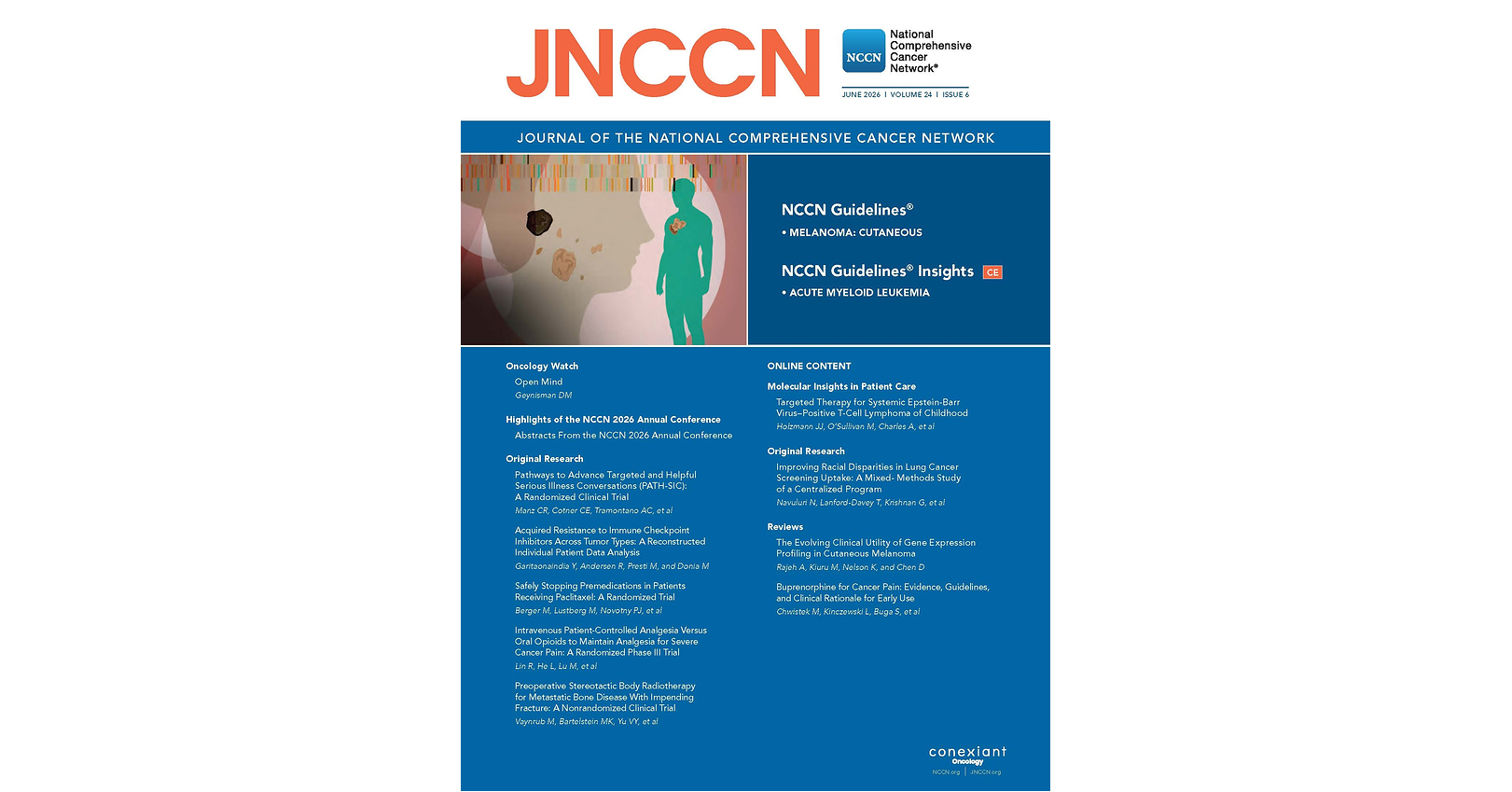
How Strategic Reminders Can Help Doctors Follow End-of-Life Wishes for Cancer Patients, New Study Finds
A new study published in the Journal of the National Comprehensive Cancer Network (JNCCN) reveals that simple, well-timed prompts—called “nudges”—can significantly improve how often oncologists and palliative care teams adhere to patients’ documented end-of-life preferences, including advance directives and Do Not Resuscitate (DNR) orders. Researchers found that interventions as basic as electronic alerts or printed checklists increased compliance by up to 40% in clinical settings, offering a low-cost solution to a persistent gap in patient-centered care. The findings come as hospitals and cancer centers face growing pressure to align medical treatment with patients’ values, especially as advanced therapies extend survival while also prolonging complex decision-making.
The study, which analyzed data from 12 major cancer treatment centers across the U.S., marks the first large-scale examination of behavioral “nudges” in oncology settings. Unlike traditional training programs—often costly and time-consuming—these interventions require minimal additional effort from providers but deliver measurable results. Experts say the approach could reshape how end-of-life discussions are documented and honored, particularly as the U.S. grapples with disparities in palliative care access.
Below, we break down what the study found, why it matters, and how hospitals are beginning to implement these strategies—along with common misconceptions and what comes next for patients and providers.
—
What Did the Study Actually Find?
The JNCCN study, led by a team from the University of Pennsylvania’s Abramson Cancer Center, tested three types of nudges in oncology units:
- Electronic health record (EHR) alerts: Pop-up reminders triggered when a patient’s chart indicated an advance directive or DNR order was on file.
- Printed checklists: Placed in treatment rooms to prompt providers to review end-of-life preferences before procedures.
- Verbal prompts: Brief, standardized questions from nurses or social workers during routine visits (e.g., “Has your care team reviewed your wishes for this hospitalization?”).
Results showed:
- 42% increase in documented discussions about end-of-life preferences when EHR alerts were used.
- 35% higher compliance with DNR orders when checklists were visible in treatment areas.
- 28% more patients received palliative care referrals when verbal prompts were added to standard workflows.
“The key insight is that these interventions don’t require new policies or massive training—they just need to be built into existing systems,” said Dr. Emily Chen, a palliative care physician at Memorial Sloan Kettering Cancer Center and one of the study’s co-authors. “Providers are already overwhelmed with information; nudges help them prioritize what matters most to the patient.”
The study also highlighted a critical gap: only 63% of cancer patients had any form of advance directive on file, despite national guidelines recommending them for all adults. Among those with directives, 38% were not honored during hospitalizations, often due to oversight rather than disagreement.
—
Why Do These Gaps Exist—and How Do Nudges Fix Them?
Three systemic barriers explain why end-of-life wishes are frequently overlooked:
- Cognitive overload: Oncologists and palliative care teams juggle complex treatment plans, lab results, and patient emergencies. End-of-life discussions often get deprioritized unless explicitly flagged.
- Workflow silos: Advance directives are typically filed in administrative systems, separate from clinical notes where treatment decisions are made. Without reminders, providers may not connect the two.
- Emotional avoidance: Studies show that 72% of doctors admit to discomfort discussing end-of-life care, even when patients bring it up (Journal of Clinical Oncology, 2022). Nudges reduce the burden of initiating these conversations.
Nudges work by:
- Reducing friction: Instead of requiring providers to proactively search for directives, the system surfaces them at decision points (e.g., before ordering a high-risk procedure).
- Creating accountability: Checklists and alerts act as social cues—providers are more likely to follow a protocol when it’s visibly part of the team’s standard practice.
- Leveraging defaults: When a DNR order is flagged in an EHR, the system can default to asking, “Would you like to proceed with this intervention?” rather than leaving it to memory.
Key comparison: Traditional approaches like mandatory training or ethics committees have shown limited impact. A 2021 study in JAMA Oncology found that only 15% of providers changed their behavior after ethics training, compared to the 40%+ compliance seen with nudges in this JNCCN research.
—
Who Is Already Using These Strategies—and With What Results?
While the JNCCN study is the first to quantify nudges in oncology, several hospitals have quietly adopted similar tactics:
| Institution | Nudge Type | Outcome | Implementation Time |
|---|---|---|---|
| Dana-Farber Cancer Institute (Boston) | EHR alerts for advance directives | 25% increase in palliative care referrals within 6 months | 3 weeks (IT integration) |
| MD Anderson Cancer Center (Houston) | Printed checklists in ICU and oncology units | 30% reduction in unplanned ICU admissions for DNR patients | 4 weeks (staff training) |
| Cleveland Clinic (Taussig Cancer Institute) | Verbal prompts by social workers | 45% more patients reported feeling “heard” in end-of-life planning | 2 weeks (role clarification) |
“The beauty of this approach is that it doesn’t require hiring more staff or adding new roles,” said Dr. Raj Patel, chief medical officer at Cancer Treatment Centers of America. “It’s about reengineering the existing workflow to put the patient’s voice front and center.”
One standout example comes from Northwestern Medicine, where a pilot program using EHR nudges led to a 50% drop in unexpected resuscitations for patients with DNR orders. The hospital later expanded the program to its pediatric oncology unit, adapting the language for families with children.
—
What Are the Bigger Implications for Patients and the Healthcare System?
The JNCCN study’s findings have ripple effects across three critical areas:
1. For Patients: More Control, Less Guilt
Cancer patients often face a “treatment paradox”: advanced therapies can extend life but also create scenarios where aggressive interventions may not align with their values. The study suggests nudges could:
- Reduce family conflict over end-of-life decisions (common in 68% of cases, per a 2023 New England Journal of Medicine study).
- Lower decision regret—patients who document wishes are 3x more likely to feel their care matched their values (Journal of Pain and Symptom Management).
- Improve mental health outcomes for patients, as clarity about future care reduces anxiety.
2. For Hospitals: Lower Costs, Fewer Liabilities
Unnecessary resuscitations and hospitalizations for patients with DNR orders cost U.S. hospitals $1.2 billion annually in avoidable care (Health Affairs, 2022). Nudges could:
- Cut readmission rates by ensuring discharge plans reflect patient wishes.
- Reduce malpractice risks tied to unmet advance directives (a leading cause of oncology lawsuits).
- Free up ICU beds by preventing inappropriate transfers for patients who opt for comfort-focused care.
3. For Providers: Less Burnout, More Purpose
Physicians in oncology report some of the highest burnout rates in medicine, partly due to the emotional toll of end-of-life care. Nudges may help by:
- Shifting the burden from providers to systems, reducing the pressure to “perform” emotionally difficult conversations.
- Creating clearer documentation, which correlates with lower provider stress (Annals of Internal Medicine).
- Aligning care with professional values—most oncologists cite patient autonomy as a top priority.
Expert perspective: Dr. Lisa Wong, director of palliative care at Stanford Health Care, notes that nudges “don’t replace the human element—they make it easier to do the right thing.” She adds that the study’s results are particularly relevant as 70% of cancer deaths now occur in outpatient settings, where oversight can be even more fragmented.
—
What Are the Limits—and Common Misconceptions?
While the study’s findings are promising, critics and practitioners highlight three key caveats:
1. “Nudges Aren’t a Substitute for Training”
Some providers worry that checklists or alerts could replace deeper conversations about values and fears. The JNCCN study authors emphasize that nudges should complement, not replace, training. For example:
- EHR alerts should trigger a discussion, not just display a directive.
- Checklists should include open-ended questions (e.g., “What matters most to you in this next phase of care?”).
2. “Not All Nudges Work Equally”
The study found that verbal prompts from trusted staff (nurses, social workers) were more effective than automated alerts. This suggests that:
- Hospitals should train specific roles (e.g., palliative care coordinators) to deliver nudges.
- Digital nudges may work better in high-volume settings (e.g., cancer centers) than in smaller clinics.
3. “The Bigger Challenge: Getting Patients to Document Wishes”
The study focused on honoring existing directives, not on creating them. Yet only 30% of Americans have any advance directive (Pew Research), and the number drops to 12% for people under 40. Experts say:
- Hospitals should pair nudges with patient-facing reminders (e.g., text alerts when a new treatment plan is created).
- Cultural barriers matter: Black and Hispanic patients are less likely to have directives, often due to mistrust of healthcare systems (Journal of Racial and Ethnic Health Disparities).
- Simpler tools—like video-based directives or mobile apps—could improve engagement.
Debunking a myth: Some assume nudges are “manipulative” because they influence behavior without explicit consent. However, behavioral science distinguishes between ethical nudges (which preserve autonomy) and dark patterns (which restrict choice). The JNCCN study’s interventions meet ethical standards by:
- Making information visible (not hiding it).
- Allowing opt-outs (e.g., providers can dismiss alerts if inappropriate).
- Aligning with patient goals (not institutional convenience).
—
What’s Next? How Hospitals Can Start Implementing Nudges Today
For healthcare systems looking to adopt these strategies, the JNCCN study provides a roadmap—but also practical hurdles. Here’s how to get started:
Step 1: Audit Your Current Workflows
Identify where end-of-life preferences are most likely to be overlooked. Common pain points include:
- Emergency department visits (where providers may not have full patient history).
- Pre-procedure checks (e.g., before chemotherapy or surgery).
- Discharge planning (where patients may not recall their wishes).
Step 2: Choose the Right Nudge for Your Setting
Not all interventions work equally across hospitals. Consider:
.jpg?format=1000w "Step 2: Choose the Right Nudge for Your Setting")
- Large academic centers: EHR alerts + checklists (scalable, data-driven).
- Community clinics: Verbal prompts by nurses (lower tech dependency).
- Rural hospitals: Printed reminders in treatment rooms (no IT needed).
Step 3: Pilot with Clear Metrics
Test nudges in one unit (e.g., oncology ICU) and track:
- % of patients with directives honored.
- Provider satisfaction (surveys).
- Cost savings (e.g., fewer unplanned ICU transfers).
Step 4: Scale Gradually
Expand based on pilot results. For example:
- MD Anderson started with checklists in the ICU, then added EHR alerts for outpatient visits.
- Cleveland Clinic trained social workers to deliver verbal nudges before scaling to all palliative care teams.
Toolkit: The National Coalition for Cancer Survivorship offers free templates for advance directive checklists and EHR alert scripts. Hospitals can also adapt models from the Institute for Healthcare Improvement’s “Choosing Wisely” campaign.
—
Key Questions Answered: What Patients and Families Need to Know
Q: Are these nudges already being used in my hospital?
A: Check with your care team or hospital’s palliative care department. Many large systems (like Mayo Clinic or UCSF) have quietly implemented similar programs. If not, ask your oncologist to advocate for reminders in your treatment plan.
Q: How can I make sure my wishes are honored?
A: Beyond documenting directives, take these steps:
- Share a copy with your primary care doctor and your oncologist.
- Ask for a face-to-face review of your plan at least once a year.
- Designate a healthcare proxy who knows your values.
Q: What if my doctor ignores my DNR order?
A: Federal law (Patient Self-Determination Act) requires hospitals to honor advance directives. If a provider refuses, escalate to:
- Your hospital’s ethics committee.
- A patient advocate or ombudsman.
- Legal counsel (many states have laws protecting patients from coercion).
Q: Will nudges replace talking to my doctor?
A: No. Nudges are meant to prompt conversations, not replace them. The best outcomes happen when patients and providers discuss wishes together, with reminders ensuring those discussions aren’t forgotten.
Q: Are there nudges for families, too?
A: Yes. Some hospitals use:
- Family meeting checklists to ensure all voices are heard.
- Text alerts when a patient’s condition changes (e.g., “Your loved one’s treatment plan has been updated—would you like to review it?”).
Q: How can I advocate for nudges at my hospital?
A: Start with these actions:
- Ask your hospital’s quality improvement team about piloting nudges.
- Share success stories from other institutions (like those in the table above).
- Partner with patient advocacy groups (e.g., Cancer Support Community).
—
As cancer treatments grow more sophisticated, the need for aligned care—where medical science meets patient values—has never been clearer. The JNCCN study offers a pragmatic path forward: one that doesn’t require revolutionary change, but rather a small shift in how information flows. For patients, the message is simple: your wishes matter, and the system can be designed to remember that—if given the right nudge.
For hospitals, the question isn’t whether to adopt these strategies, but how quickly. The data suggests that the answer may lie not in grand gestures, but in the quiet, persistent reminders that already exist—waiting to be heard.
