
Deaths, Temperature Records Broken as Europe Swelters: France Hits Historic Highs
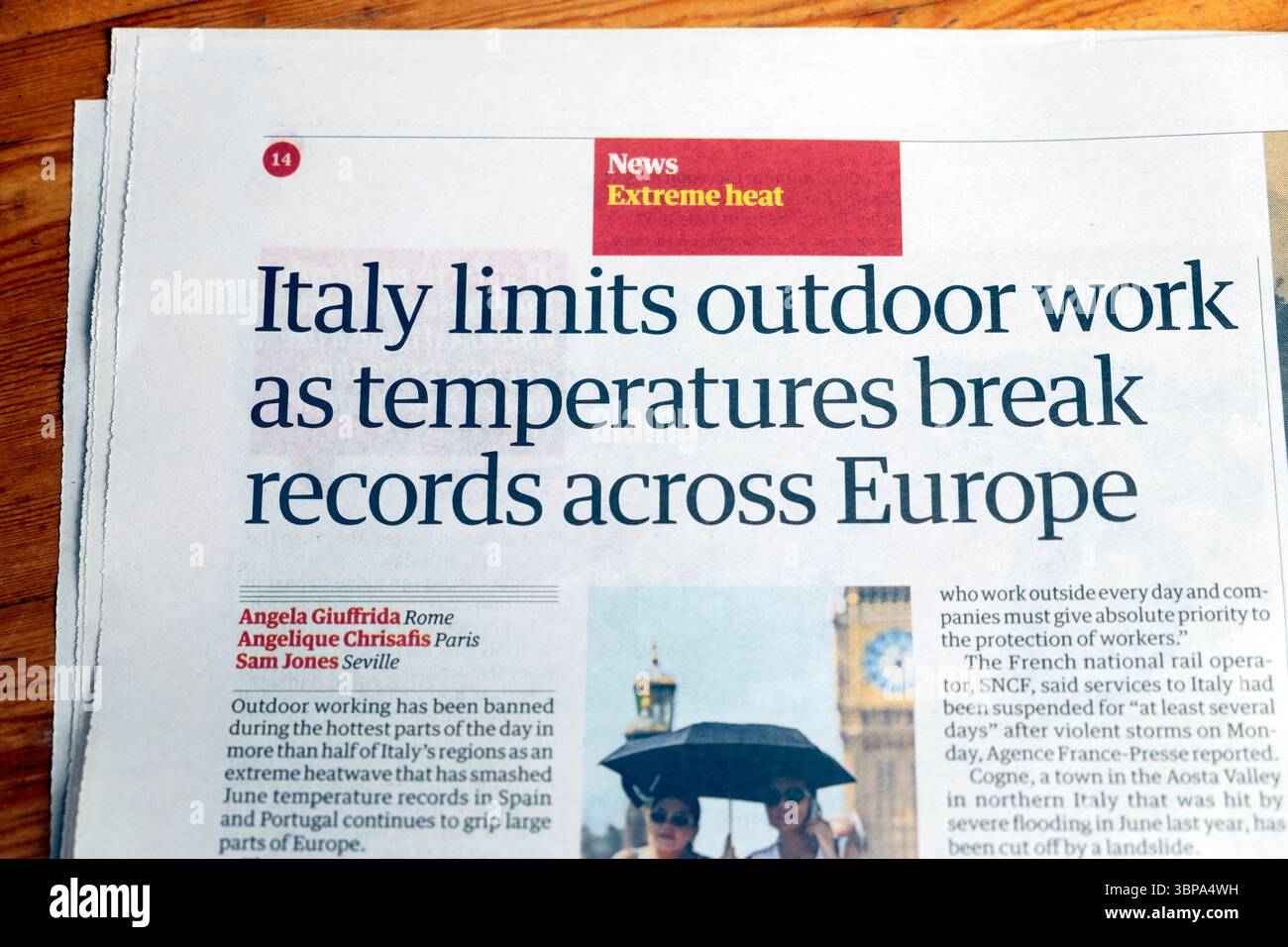
France has recorded its hottest day on record as an unprecedented heatwave triggers deaths and breaks temperature benchmarks across the continent, according to reports from RTE.ie and The Journal. The extreme weather has prompted major cities to implement emergency measures to protect public health and manage urban heat stress.
What are the current temperature records across Europe?
Temperature records are falling across multiple European nations as a massive heatwave grips the region. According to The Irish Times, soaring temperatures continue to break previous milestones in several countries. The most significant peak occurred in France, which recorded its hottest day on record, according to The Journal.
The scale of the heat is described as unprecedented. While specific degree increments vary by region, the consistency of the record-breaking peaks suggests a systemic shift in summer weather patterns across the continent. These temperature spikes are not isolated to one country but are part of a broader European trend of extreme heat.
Key impacts of the current temperature surge include:
- National Records: France officially surpassed its previous all-time high temperature.
- Regional Spikes: Multiple European territories are reporting temperatures that exceed historical norms for the current month.
- Duration: The heat has persisted over several days, increasing the risk of heat-related illness.
How has the heatwave impacted public health and mortality?
The extreme heat has resulted in fatalities across Europe, according to RTE.ie. Heat-related deaths typically affect the most vulnerable populations, including the elderly and those with pre-existing health conditions, as the body struggles to regulate its internal temperature during prolonged periods of high heat.
Public health agencies across the affected regions have issued warnings regarding heatstroke and dehydration. The combination of high daytime temperatures and a lack of nocturnal cooling—where temperatures remain high overnight—prevents the human body from recovering, which increases the mortality rate. This phenomenon is particularly acute in densely populated urban areas where the “urban heat island” effect traps heat in concrete and asphalt.
The reported deaths and broken temperature records highlight the immediate danger posed by extreme heat events to the European population.
Why is air conditioning creating a political divide in France?
As temperatures hit record highs, the use of air conditioning has become a point of political contention in France, according to the BBC. The divide centers on the tension between immediate public health needs and long-term environmental goals.
On one side of the debate, proponents of widespread air conditioning argue that it is a necessary medical intervention to prevent deaths during record-breaking heatwaves. They contend that without mechanical cooling, the elderly and infirm face lethal risks.
Conversely, critics and some political factions argue against the proliferation of air conditioning due to its environmental impact. The BBC reports that this divide is fueled by two primary concerns:
- Energy Consumption: Air conditioning units place massive strain on the electrical grid, increasing the risk of blackouts during peak demand.
- External Heat Emission: AC units cool the interior of a building by pumping heat outside, which can actually raise the ambient temperature of city streets, further warming the environment for those without access to cooling.
This political clash reflects a broader European struggle to adapt infrastructure to a warming climate without accelerating the carbon emissions that drive the warming in the first place.
How is Paris implementing ‘heatwave mode’ to protect citizens?
To combat the lethal effects of the heat, Paris has adopted a specific set of emergency protocols known as “heatwave mode.” According to The Guardian, these measures are designed to provide residents with safe spaces to cool down and reduce public disorder during periods of extreme stress.
The “heatwave mode” includes several unconventional urban management strategies:
24-Hour Access to Parks
The city has opened parks for 24-hour access. This allows residents who live in cramped, poorly ventilated apartments—which often act as heat traps—to find relief in green spaces where temperatures are naturally lower due to vegetation and evaporation.
Alcohol Bans
Paris has implemented alcohol bans in certain areas during the heatwave. The Guardian indicates that this is a strategic move to prevent increased volatility and public health crises, as alcohol contributes to dehydration and can impair a person’s ability to recognize the symptoms of heatstroke.
Urban Cooling Centers
The city has identified and opened “cool islands”—specific locations such as museums, libraries, and air-conditioned public buildings—where citizens can seek refuge during the hottest parts of the day.

The following table summarizes the primary components of Paris’s emergency response compared to standard urban heat management:
| Measure | Standard Management | Paris ‘Heatwave Mode’ |
|---|---|---|
| Park Access | Standard operating hours | 24-hour availability |
| Public Consumption | Regulated by local law | Strategic alcohol bans |
| Cooling Access | Private AC / Home cooling | Designated public ‘cool islands’ |
What are the broader implications of these record temperatures?
The current weather patterns are not viewed as isolated incidents but as evidence of a shifting climatic baseline. The fact that France recorded its hottest day on record during this period suggests that previous “extreme” events are becoming the new norm. According to reports from The Irish Times and The Journal, the frequency of these records breaking is accelerating.
The implications extend beyond health and politics into several other sectors:
Infrastructure Strain
European infrastructure, much of which was built for temperate climates, is not designed for sustained 40°C+ temperatures. This includes rail lines, which can buckle under extreme heat, and power grids, which face failure due to the surge in cooling demands.
Agricultural Impact
While not the primary focus of the immediate death tolls, record-breaking heat typically leads to severe drought conditions. This threatens crop yields and water security across the European continent, potentially leading to economic instability in the agricultural sector.
Urban Planning Shifts
The success or failure of Paris’s “heatwave mode” may serve as a blueprint for other European cities. If 24-hour parks and alcohol bans effectively reduce heat-related mortality, other capitals may adopt similar emergency frameworks.
For more information on how cities are adapting, you may find a related explainer on urban heat island mitigation useful.
Common misconceptions about European heatwaves
There are several common misunderstandings regarding how extreme heat affects European cities compared to tropical regions.
Misconception: Europe is “better” at handling heat because it is a developed region.
In reality, European cities are often more dangerous during heatwaves because their architecture is designed to retain heat. Traditional stone and brick buildings in cities like Paris or Madrid are built to keep warmth in during the winter, making them difficult to cool when temperatures soar.
Misconception: Air conditioning is the only solution to heatwave deaths.
As evidenced by the Paris “heatwave mode” reported by The Guardian, non-mechanical interventions—such as expanding green space access and managing public behavior—can significantly lower the risk of death without the energy costs of AC.
Misconception: These records are just “natural cycles.”
While weather varies, the frequency and intensity of the records broken across Europe, as reported by RTE.ie and The Irish Times, align with broader scientific observations of warming global trends rather than standard cyclical variance.
Frequently Asked Questions
Which country recorded the highest temperatures in this heatwave?
According to The Journal, France recorded its hottest day on record during this period of extreme heat across Europe.

Why did Paris ban alcohol during the heatwave?
As reported by The Guardian, alcohol bans were implemented to reduce dehydration and prevent public disorder, as extreme heat can increase irritability and impair judgment regarding heat safety.
What is the “political divide” regarding air conditioning mentioned by the BBC?
The divide exists between those who view air conditioning as a critical health necessity to prevent deaths and those who argue it is environmentally unsustainable due to high energy use and the emission of heat into city streets.
Who is most at risk during these European heatwaves?
Reports from RTE.ie and other outlets indicate that the elderly and people with pre-existing health conditions are the most vulnerable to the record-breaking temperatures.
What are ‘cool islands’ in the context of urban heat?
Cool islands are designated public spaces—such as parks, museums, or libraries—that remain significantly cooler than the surrounding city streets, providing a refuge for citizens during extreme heat.
The ongoing situation across the continent continues to challenge existing public health frameworks and urban designs. As temperatures remain volatile, the focus remains on immediate casualty prevention and the long-term debate over how to cool European cities without further damaging the environment.
