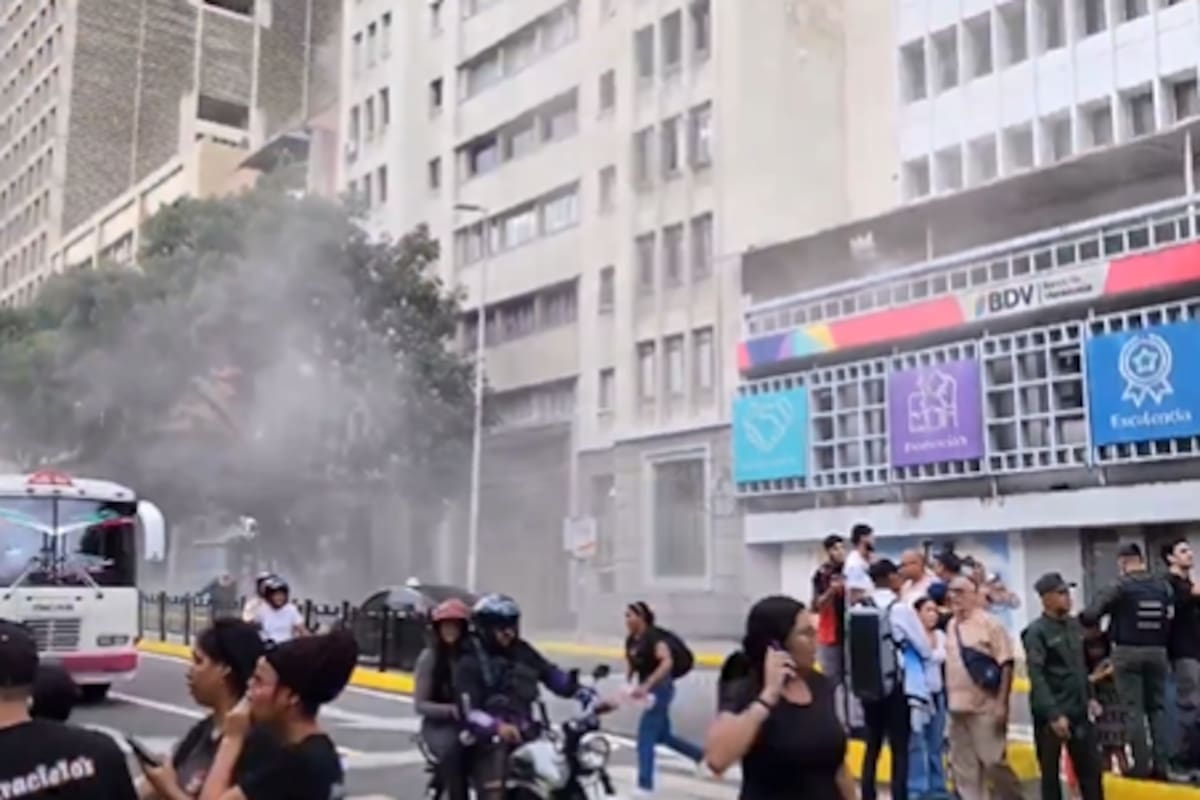
A 7.1-magnitude earthquake struck Venezuela on Tuesday, triggering building collapses, mass evacuations, and tsunami alerts across the Caribbean, according to multiple regional reports. The tremor, centered near Caracas, was felt in neighboring cities and prompted emergency responses in Puerto Rico and the U.S. Virgin Islands, where authorities later deactivated tsunami warnings.
Regional Impact and Evacuations
The initial earthquake, reported by local media as occurring at 3:45 p.m. local time, caused structural damage to residential and commercial buildings in Caracas, with at least two multi-story structures collapsing, according to emergency officials. Evacuations were mandated in several districts, and rescue teams deployed to assess the damage, though no official casualty figures were immediately released.
Residents in nearby cities such as Maracay and Barquisimeto also reported strong shaking, with some describing cracks in walls and fallen debris. The Venezuelan National Institute of Seismology confirmed the quake’s magnitude and warned of potential aftershocks, urging citizens to remain cautious.
International Response and Alerts
Following the earthquake, the National Oceanic and Atmospheric Administration (NOAA) issued a tsunami warning for Puerto Rico and the U.S. Virgin Islands, citing the potential for coastal flooding due to the quake’s proximity to the Caribbean Sea. The alert was later lifted after monitoring stations detected no significant wave activity, according to a statement from the Puerto Rican Emergency Management Agency.
Regional authorities emphasized the importance of preparedness, with the Dominican Republic’s Civil Protection Office advising coastal communities to stay vigilant. The event highlighted the vulnerability of the Caribbean region to seismic activity, given its location along the boundary of the North American and Caribbean tectonic plates.
Historical Context and Seismic Risks
Venezuela has experienced several significant earthquakes in recent decades, though major casualties have been rare due to the country’s relatively low population density in seismically active zones. The 1997 Caracas earthquake, measuring 6.9 magnitude, caused widespread damage but no reported fatalities. Experts noted that the current quake’s depth and location mitigated its potential for catastrophic destruction, though urban areas with aging infrastructure remain at higher risk.
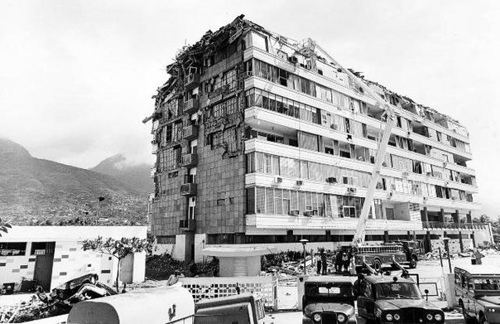
International seismic agencies continue to monitor the region, with the U.S. Geological Survey (USGS) providing real-time updates on aftershock probabilities. The event has renewed discussions about the need for improved building codes and disaster response protocols in Latin American countries prone to natural hazards.
What’s Next
Venezuelan authorities are conducting damage assessments in affected areas, with priority given to infrastructure and public safety. The National Institute of Seismology has called for increased community education on earthquake preparedness, citing the frequency of seismic events in the region. International aid organizations have not yet announced plans for assistance, as the immediate impact appears contained.
