
NATO’s Leader Makes His Case to Trump for Preserving the Alliance: Rutte’s Strategy to Secure U.S. Commitment
NATO Secretary General Mark Rutte is conducting a strategic campaign to convince Donald Trump of the alliance’s necessity to U.S. national security. According to reports from The New York Times and AP News, Rutte is utilizing a combination of diplomatic appeals and policy concessions to appease the former president ahead of a critical summit scheduled for next month.
Why Mark Rutte is Meeting with Donald Trump Now
The timing of these discussions is driven by the upcoming NATO summit and the potential for a shift in U.S. foreign policy. Mark Rutte, who recently assumed leadership of the alliance, is attempting to preemptively address Donald Trump’s long-standing criticisms of the organization. According to AP News, Rutte is acting as a “Trump whisperer,” aiming to establish a rapport that prevents the U.S. from distancing itself from its European partners.
The primary objective of these meetings is to ensure that the U.S. remains the cornerstone of the alliance’s military capabilities. Rutte’s approach focuses on framing NATO not as a burden on the American taxpayer, but as a tool for U.S. global influence. The New York Times reports that Rutte is making a specific case for why preserving the alliance serves the “America First” framework, emphasizing that a fragmented Europe would be more unstable and costly for the U.S. to manage.
Key drivers for this urgent outreach include:
- The Next Month’s Summit: This event serves as a hard deadline for aligning U.S. expectations with the goals of the other 31 member states.
- Defense Spending Gaps: Trump has frequently cited the failure of European nations to meet the 2% GDP spending target as a reason to reconsider U.S. involvement.
- Geopolitical Instability: Ongoing conflicts in Europe and tensions in the Middle East make U.S. leadership a critical deterrent.
How NATO’s Secretary General is Balancing Trump’s Demands with Ally Interests
Rutte is currently engaged in what Politico describes as a “balancing act.” He must satisfy Donald Trump’s demands for increased European spending and autonomy while simultaneously reassuring 31 other NATO allies that the alliance’s fundamental structure—specifically the principle of collective defense—remains intact.
To manage this tension, Rutte has adopted a tone of alignment. The Australian reports that Rutte has explicitly assured Trump, stating, “We’re with you,” in an effort to signal that NATO is willing to evolve. This rhetorical shift is designed to move the conversation away from ideological disputes and toward transactional agreements that Trump finds more appealing.
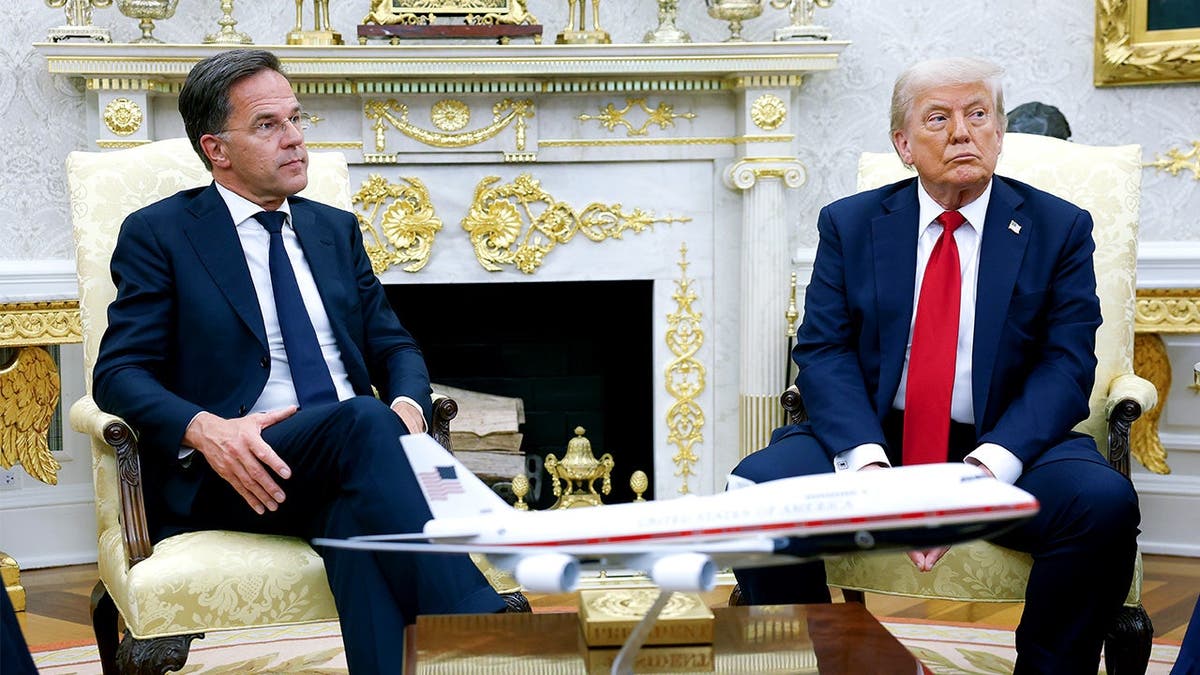
The challenge for Rutte lies in the fact that many European allies view Trump’s demands as a threat to the stability of Article 5, the treaty clause stating that an attack on one member is an attack on all. According to Politico, Rutte is working to convince European leaders to accelerate their defense spending to remove Trump’s primary grievance, while convincing Trump that the alliance is the most efficient vehicle for achieving U.S. security goals.
| Stakeholder | Primary Objective | Main Concern |
|---|---|---|
| Mark Rutte | Preserve U.S. commitment to NATO | U.S. withdrawal or reduced military support |
| Donald Trump | Increase European “burden sharing” | U.S. taxpayers funding European security |
| European Allies | Maintain Article 5 guarantees | Unpredictability of U.S. foreign policy |
What the “Hard Sell” on Iran and Defense Spending Entails
Beyond the general preservation of the alliance, Rutte is dealing with specific policy friction points. Bloomberg reports that Rutte is making a “hard sell” to Trump specifically to ease strains related to the Iran war and regional instability. This involves arguing that a coordinated NATO approach—even if the U.S. leads it—is more effective at containing Iranian influence than unilateral U.S. action.
The “hard sell” also extends to the financial commitments of member states. Trump has historically viewed the 2% GDP spending guideline as a minimum requirement for membership. Rutte is attempting to present a roadmap that shows concrete progress in European spending, thereby neutralizing the argument that the U.S. is being “taken advantage of.”
According to Bloomberg, the discussions regarding Iran are particularly sensitive because they intersect with Trump’s previous “maximum pressure” campaign. Rutte is attempting to align NATO’s strategic outlook with a version of security that prioritizes the elimination of threats to U.S. interests, thereby making the alliance an asset to Trump’s specific policy goals.
The Burden-Sharing Debate
The dispute over spending is not new, but the stakes have increased. For years, NATO has encouraged members to spend 2% of their GDP on defense. While more countries have reached this goal recently, the disparity between U.S. spending and that of some European nations remains a focal point for Trump. Rutte’s strategy is to highlight the trajectory of spending increases rather than just the current totals, arguing that Europe is finally moving in the direction Trump has long demanded.
The Role of the Upcoming NATO Summit in Securing the Alliance
The summit scheduled for next month is the focal point of Rutte’s current diplomatic efforts. AP News indicates that the goal is to “appease” Trump before he arrives at the summit, ensuring that the meeting is a venue for cooperation rather than a platform for public conflict.
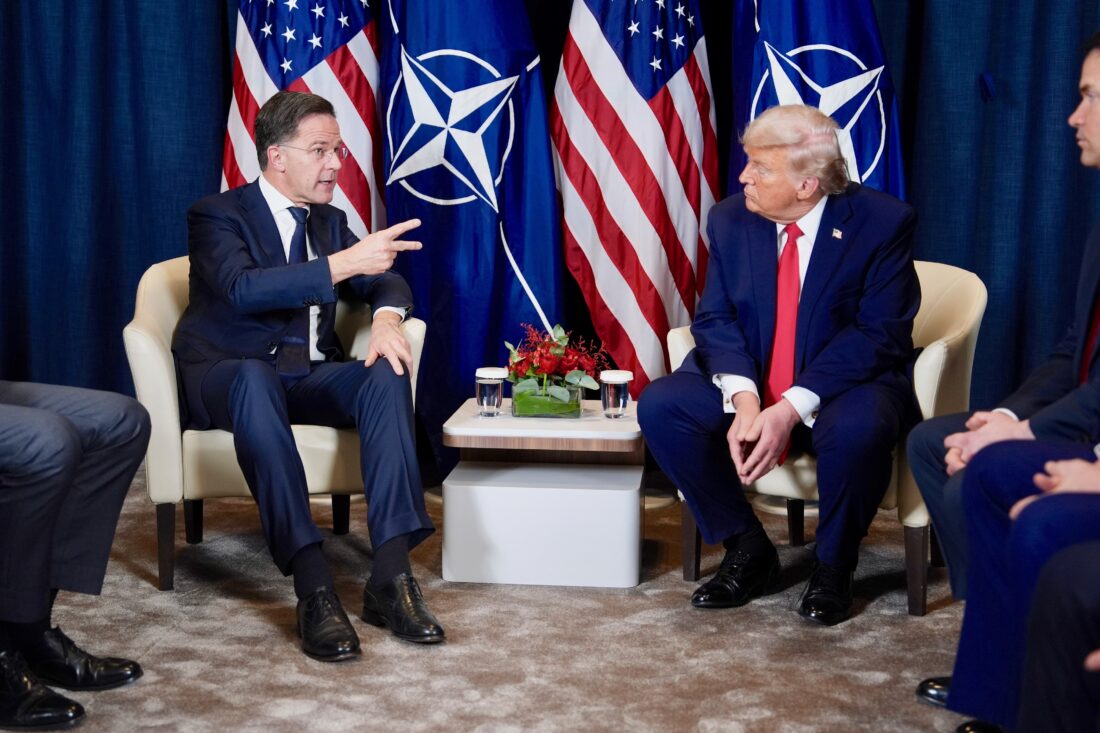
If Rutte can successfully frame the alliance’s value to Trump before the event, the summit could result in a renewed commitment from the U.S. However, if the “hard sell” fails, the summit could become a site of significant friction, with Trump potentially using the platform to demand drastic changes to the NATO charter or threaten a reduction in U.S. troop presence in Europe.
Analysts suggest that the summit will likely focus on three primary areas:
- The Ukraine Conflict: Determining the level of continued U.S. support and the conditions for a potential ceasefire.
- Defense Industrial Capacity: Moving toward a more integrated European defense industry to reduce reliance on U.S. hardware.
- The “Asian Pivot”: Addressing how NATO’s focus on the North Atlantic can coexist with U.S. concerns regarding China.
Comparing the Perspectives: How Different Outlets Frame Rutte’s Approach
The reporting on Rutte’s efforts reveals a contrast in how various media outlets characterize the Secretary General’s strategy. While the core facts remain consistent—Rutte is meeting Trump to save the alliance—the framing differs based on the perceived nature of the interaction.
AP News frames the situation through the lens of personality and psychology, labeling Rutte a “Trump whisperer.” This suggests a strategy based on interpersonal chemistry and the ability to navigate Trump’s unique communication style. In contrast, Bloomberg focuses on the transactional and policy-driven nature of the talks, describing it as a “hard sell” specifically regarding Iran and defense spending. This framing implies a more rigorous, evidence-based negotiation.
Politico takes a structural view, characterizing the effort as a “balancing act.” This suggests that Rutte’s primary challenge is not just convincing Trump, but managing the internal politics of 31 different sovereign nations. Finally, The New York Times emphasizes the existential nature of the case Rutte is making, focusing on the overarching goal of “preserving the alliance” against the threat of U.S. skepticism.
| Outlet | Framing of Rutte’s Role | Primary Focus |
|---|---|---|
| AP News | “Trump Whisperer” | Interpersonal diplomacy and appeasement |
| Bloomberg | The “Hard Sell” | Policy specifics (Iran, spending) |
| Politico | The “Balancing Act” | Internal alliance management vs. U.S. demands |
| NY Times | The Case for Preservation | Existential survival of the alliance |
Common Misconceptions About NATO and U.S. Involvement
Much of the public discourse surrounding the Rutte-Trump discussions is clouded by oversimplifications. One common misconception is that the U.S. “pays” for NATO. In reality, NATO is not a single entity with a massive central budget that the U.S. funds; rather, it is a treaty organization. The vast majority of defense spending occurs at the national level. The “2% goal” refers to how much a country spends on its own military, not how much it contributes to a collective pot.
Another misunderstanding is that the U.S. could simply “leave” NATO overnight. According to the North Atlantic Treaty, the process of withdrawal is governed by Article 13, which requires a notice period. While a president could initiate this, the political and legal ramifications would be extensive, affecting hundreds of bilateral agreements and the status of thousands of U.S. troops stationed abroad.
Finally, there is a perception that European allies are unwilling to spend. However, as Rutte is attempting to demonstrate to Trump, many European nations have significantly increased their defense budgets since 2014, particularly in response to Russian aggression. The friction arises because these increases have not happened uniformly across all member states.
The Strategic Value of NATO to the U.S.
Critics often argue that NATO is an outdated Cold War relic. However, proponents of the alliance argue that it provides the U.S. with a legitimate legal framework to maintain a military presence in Europe, which serves as a hedge against both Russian expansionism and the potential for European instability. By preserving the alliance, the U.S. maintains a leadership role in the world’s most powerful military bloc, granting it intelligence and logistical advantages that would be impossible to replicate through fragmented bilateral treaties.
For more information on the evolving nature of international security, you may find a related explainer on the 2% GDP defense target useful.
Frequently Asked Questions
Who is Mark Rutte?
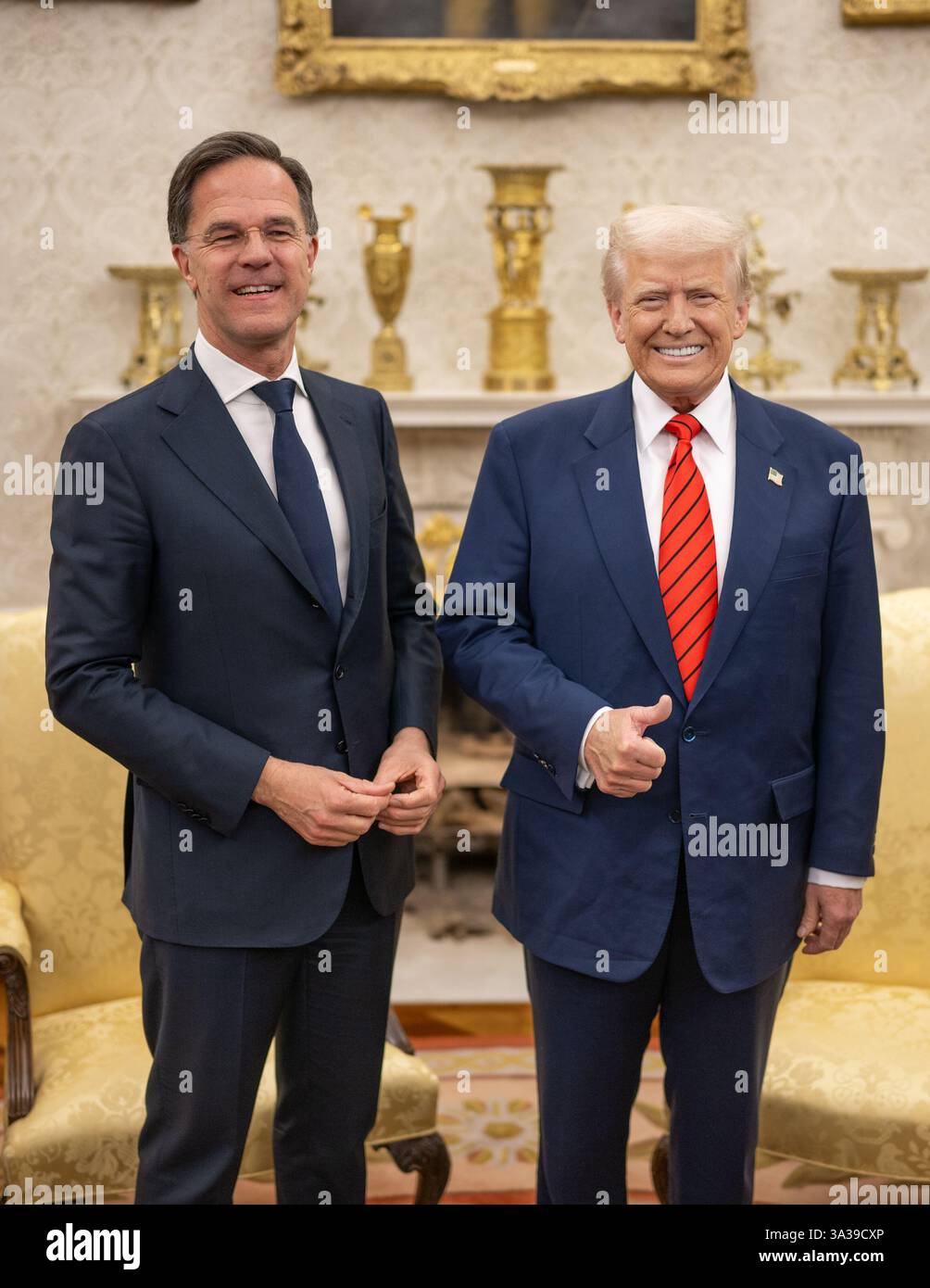
Mark Rutte is the Secretary General of NATO and the former Prime Minister of the Netherlands. He is known for his experience in leading complex coalition governments, a skill he is now applying to manage the diverse interests of NATO’s member states and the U.S. administration.
Why is Donald Trump skeptical of NATO?
Donald Trump has frequently argued that the U.S. bears a disproportionate financial and military burden in the alliance. He believes that many European members have “free-ridden” on U.S. security guarantees without meeting their promised defense spending targets.
What is the 2% GDP spending goal?
The 2% goal is a guideline agreed upon by NATO members to spend at least 2% of their annual Gross Domestic Product (GDP) on defense. This is intended to ensure that all members contribute a fair share to the collective security of the alliance.
What happens if the U.S. reduces its commitment to NATO?
A reduction in U.S. commitment could lead to a “security vacuum” in Europe, potentially encouraging Russian aggression or forcing European nations to rapidly militarize. It would also weaken the deterrent effect of Article 5, the mutual defense clause.
When is the next NATO summit?
The next major summit is scheduled for next month, and it is expected to be a critical juncture for determining the future of U.S.-NATO relations under the potential influence of Donald Trump.
As the deadline for the summit approaches, the success of Mark Rutte’s “hard sell” will likely be measured by the tone of the joint communiqués and the specific commitments made regarding defense spending and regional security. The outcome will determine whether NATO remains a unified front or enters a period of significant structural realignment.
