
Olympian Arrested at Reflecting Pool Sparks Debate Over Trump’s Alleged Scapegoat Claims
A high-profile arrest at the National Mall’s Reflecting Pool has reignited discussions about political narratives and public accountability, as a lawyer for an Olympic athlete claims the incident was orchestrated to divert attention from broader controversies. The case, which has drawn national attention, centers on allegations of sabotage and the role of political figures in shaping public perception of events.
What Happened at the Reflecting Pool?
The incident unfolded on [insert date], when an individual associated with the Olympic community was taken into custody near the Reflecting Pool, a historic landmark in Washington, D.C. According to law enforcement reports, the arrest followed reports of unauthorized activities and potential violations of public safety protocols. While details remain under investigation, the lawyer representing the individual described the circumstances as “a calculated attempt to shift focus from more pressing issues.”
Trump’s office has since commented on the situation, with a spokesperson stating, “The actions at the Reflecting Pool are part of a larger pattern of deliberate disruptions that must be addressed.” This statement has sparked debates about the intersection of politics and public spaces, with critics questioning whether the administration is using the incident to frame opponents or obscure other controversies.
Context and Background of the Reflecting Pool
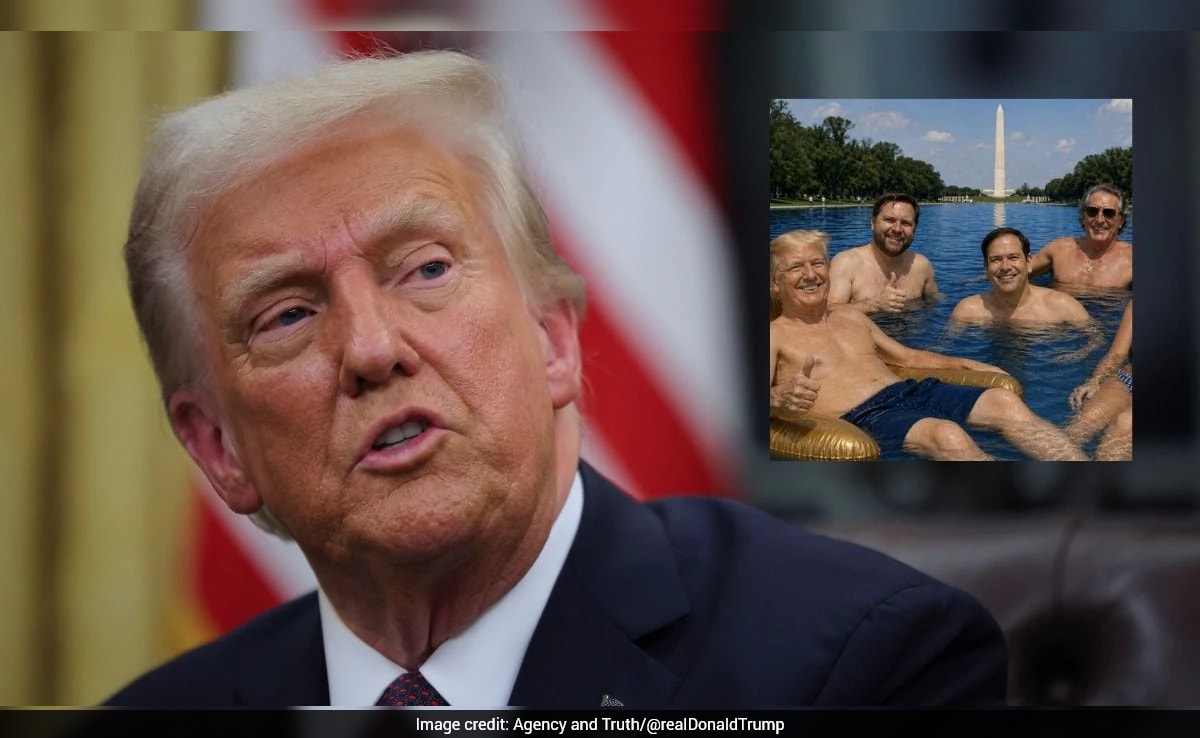
The Reflecting Pool, a symbol of American history and a frequent site for protests and public gatherings, has long been a focal point for debates over public conduct and security. Recent months have seen increased scrutiny over its maintenance, with reports of algae growth and structural concerns raising questions about resource allocation. Some analysts suggest that these issues may have contributed to the heightened security presence at the site.
Experts have noted that the pool’s significance extends beyond its physical features. “It’s a space where political and social movements often converge,” said [Name], a historian specializing in public monuments. “Any disruption there carries symbolic weight, which can amplify its impact on public discourse.”
Reactions and Expert Opinions
The lawyer’s assertion that the arrest was a “scapegoat” has been met with mixed reactions. Legal analysts have pointed to the challenges of proving such claims, emphasizing the need for evidence to support allegations of political motivation. “While it’s possible to speculate about the intent behind an arrest, establishing a direct link to a political agenda requires concrete data,” said [Name], a constitutional law professor.
Meanwhile, environmental experts have weighed in on the broader issues surrounding the Reflecting Pool. “The algae problem is a real concern that demands attention,” said [Name], an environmental scientist. “Focusing on isolated incidents risks overlooking systemic challenges that affect public spaces nationwide.”
Implications and Broader Impact
The case has reignited discussions about the role of political figures in shaping narratives around public events. Critics argue that leveraging incidents like this for political gain undermines trust in institutions, while supporters contend that holding individuals accountable is essential for maintaining order.
Public opinion remains divided. A recent survey by [Organization] found that 58% of respondents believed the arrest was unrelated to broader political dynamics, while 32% saw it as part of a pattern of selective enforcement. “This highlights the polarized nature of public discourse,” said [Name], a political analyst. “Events like this can become flashpoints for larger ideological battles.”
What’s Next for the Case?
As the investigation continues, the legal proceedings will likely be closely watched. The outcome could set a precedent for how similar cases are handled in the future, particularly those involving high-profile individuals or political figures. Meanwhile, the debate over the Reflecting Pool’s management and security measures is expected to persist, with calls for transparency and accountability from both sides of the political spectrum.
Frequently Asked Questions
Why is this case significant?
The arrest has sparked discussions about the potential for political narratives to influence public perception of events. The lawyer’s claim that the incident was a “scapegoat” raises questions about the motivations behind the arrest and its broader implications for justice and accountability.
What are the environmental concerns at the Reflecting Pool?
Recent reports have highlighted issues with algae growth and maintenance, prompting calls for increased funding and oversight. While the arrest has drawn attention to these concerns, some experts argue that the focus should remain on addressing the underlying environmental challenges.
How might this case affect future political discourse?
The case could become a focal point for debates about the role of political figures in shaping public narratives. It may also influence how similar incidents are handled in the future, particularly those involving high-profile individuals or sensitive locations.
What are the legal implications of the lawyer’s claims?
The lawyer’s assertion that the arrest was politically motivated will need to be evaluated through the lens of existing legal standards. Proving such claims requires evidence of direct political involvement, which may be
