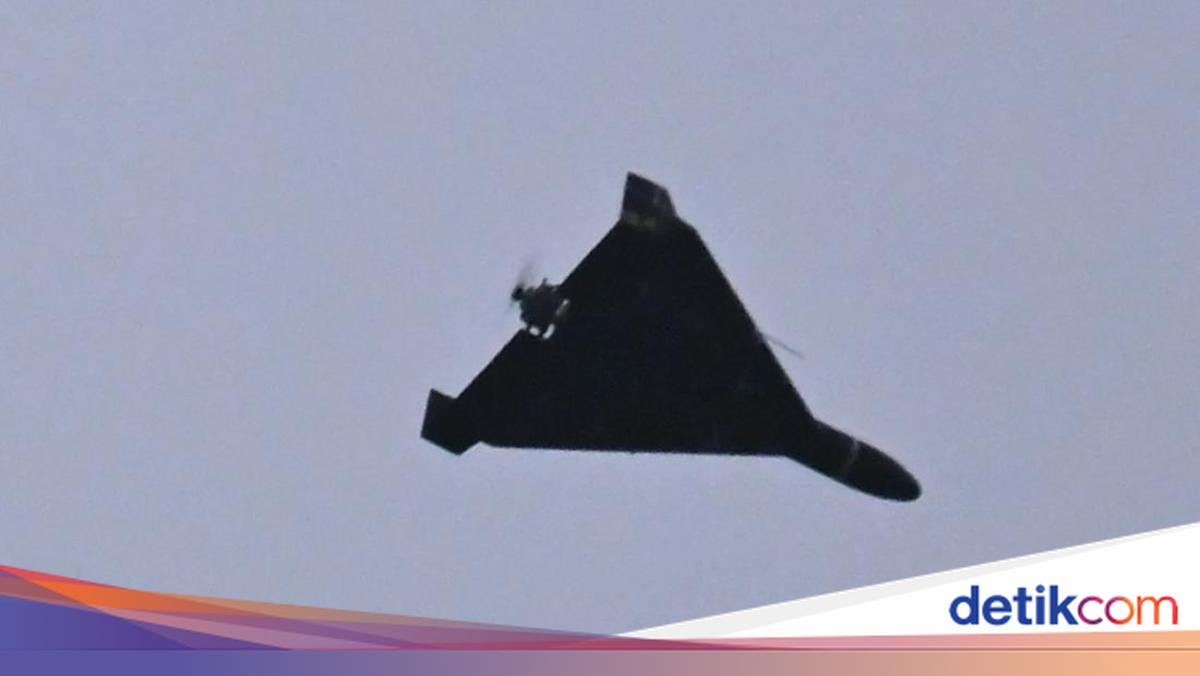
U.S. military personnel, including a fighter jet pilot, have reported encountering Iranian drones that utilize a distinctive “jellyfish” formation, according to multiple Indonesian media reports. The testimony describes the drone capabilities as “alien” and “frightening,” suggesting a perceived leap in Iran’s unmanned aerial vehicle (UAV) tactical deployments.
Why are Iranian drones being described as “alien”?
A U.S. jet pilot who survived combat operations reported that Iranian drone technology exhibited characteristics he described as
“alien,”
according to reports from Serambinews.com. This description stems from the drones’ unexpected behavior and coordination during encounters, which deviated from standard UAV patterns known to U.S. forces.

The pilot’s testimony highlights a level of sophistication in drone maneuvers that caused significant surprise among American flight crews. This “alien” classification refers less to the origin of the technology and more to the unfamiliar and unconventional nature of the drone’s flight dynamics and operational logic.
What is the “jellyfish” drone formation?
Reports from detikNews and Sumbawanews indicate that U.S. fighter pilots were shocked to witness Iranian drones organizing themselves into a “jellyfish” formation. While the specific technical parameters of the formation were not detailed, the visual and tactical arrangement was described as a key element of Iran’s recent drone trials.
According to CNN Indonesia, U.S. soldiers described the power and effectiveness of these Iranian drone operations as
“terrible and frightening.”
The reports suggest that the “jellyfish” pattern is not merely a visual anomaly but a tactical deployment intended to challenge traditional aerial defenses.
How do these reports contrast across sources?
While all sources agree on the “shock” experienced by U.S. forces, the framing varies slightly across the reporting outlets:
- detikNews and Sumbawanews emphasize the visual mystery and the specific “jellyfish” geometry of the drone formations.
- CNN Indonesia focuses on the psychological impact, quoting soldiers who found the drone capabilities to be frightening.
- Serambinews.com foregrounds the testimony of a surviving pilot, specifically using the “alien” descriptor to characterize the technology.
Combined, these accounts portray a shift in how U.S. military personnel perceive Iranian UAV capabilities, moving from viewing them as simple surveillance or “kamikaze” tools to recognizing them as coordinated, complex systems.
