
The death of Dairo Antonio Úsuga, alias “Otoniel” or “Niño Guerrero”, the leader of Colombia’s notorious Tren de Aragua gang, in a joint operation in Venezuela’s gold-mining region has exposed deepening ties between Bogotá and Caracas—and raised questions about Colombia’s shifting security strategy under President Gustavo Petro.
Fast Facts
- Who: Dairo Antonio Úsuga, known as “Niño Guerrero” or “Otoniel,” was the founder and leader of the Tren de Aragua, Colombia’s largest prison gang, with operations spanning Colombia, Venezuela, and beyond.
- Where: The operation took place in El Callao state, Venezuela, near illegal gold mines controlled by armed groups.
- When: The strike occurred on October 22, 2024, following months of intelligence-sharing between Colombian and Venezuelan security forces.
- How: According to Venezuelan officials, Úsuga was killed in a military raid after intelligence led authorities to his location in a remote mining camp.
- Why it matters: The operation marks a rare instance of direct cooperation between Petro’s government and Nicolás Maduro’s administration, despite their strained diplomatic relations.
How a Prison Gang Leader Became a Regional Security Threat
The Tren de Aragua, formed in Colombia’s La Modelo prison in the 1990s, evolved into one of Latin America’s most powerful criminal networks, specializing in drug trafficking, extortion, and human smuggling. By 2020, the gang had expanded its influence into Venezuela, where it partnered with local armed groups to control gold-mining operations in El Callao and Bolívar states, areas long dominated by Russian-backed mercenaries and Colombian dissident factions.
Úsuga’s capture in October 2019 by Colombian forces—followed by his dramatic escape in July 2021—cemented his myth as a figure who could evade even the most sophisticated manhunts. His return to Venezuela, where he allegedly operated with impunity, highlighted the porous border security between the two nations, a recurring flashpoint in regional stability.
According to El Tiempo, Venezuelan intelligence agencies had tracked Úsuga’s movements for months, but the final operation required Colombian military support, including satellite imagery and drone surveillance. The raid itself was carried out by Venezuelan special forces, with Colombian advisors present—though Bogotá has denied direct participation in the strike.
Petro’s Gambit: Why This Operation Tests Colombia’s New Security Approach
President Gustavo Petro, who took office in August 2022 on a platform of dialogue with armed groups, has faced criticism for his perceived softness on criminal organizations. The Tren de Aragua’s expansion into Venezuela clashed with Petro’s efforts to normalize relations with Maduro, a shift that has alienated hardline factions in Colombia’s military and Congress.
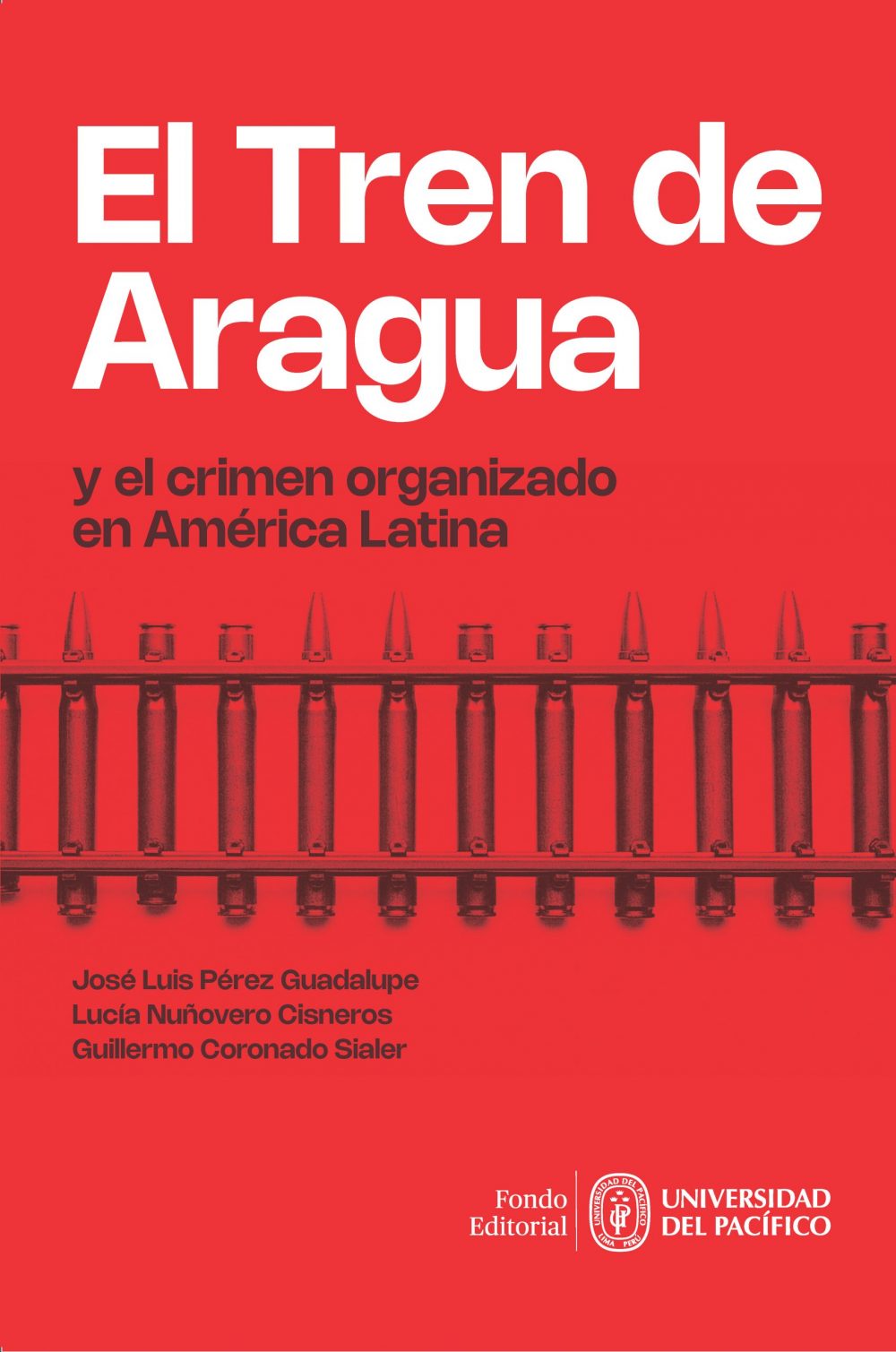
The operation’s timing is telling. Just days before Úsuga’s death, Petro’s government announced a new peace accord with the ELN guerrilla group, a move that drew sharp rebuke from former President Iván Duque, who accused Petro of “rewarding terrorism.” Úsuga’s killing, however, offered Petro a rare opportunity to demonstrate toughness on crime without resorting to the military-led strategies of his predecessors.
Yet the operation also underscores the limits of Petro’s diplomacy. While Maduro’s government has historically denied cooperation with Colombian security forces, this strike suggests a pragmatic thaw—one that may not extend beyond counterterrorism. Delcy Rodríguez, Venezuela’s vice president, praised the operation as a “joint victory” in a televised address, but analysts warn that underlying tensions—including Venezuela’s refusal to extradite Colombian dissidents—remain unresolved.
The elimination of Otoniel is a blow to organized crime, but it also reveals the fragility of our borders. We cannot allow these groups to operate with impunity.
— Venezuelan Defense Minister Vladimir Padrino López, in a statement to local media
International Reactions: From Celebration to Skepticism
The operation has sparked a divided response across the region. While Petro’s government framed Úsuga’s death as a “victory for peace,” his own foreign minister, Álvaro Leyva, faced backlash after celebrating the strike on social media—only to later walk back comments amid criticism that it contradicted Petro’s human rights-focused policies.
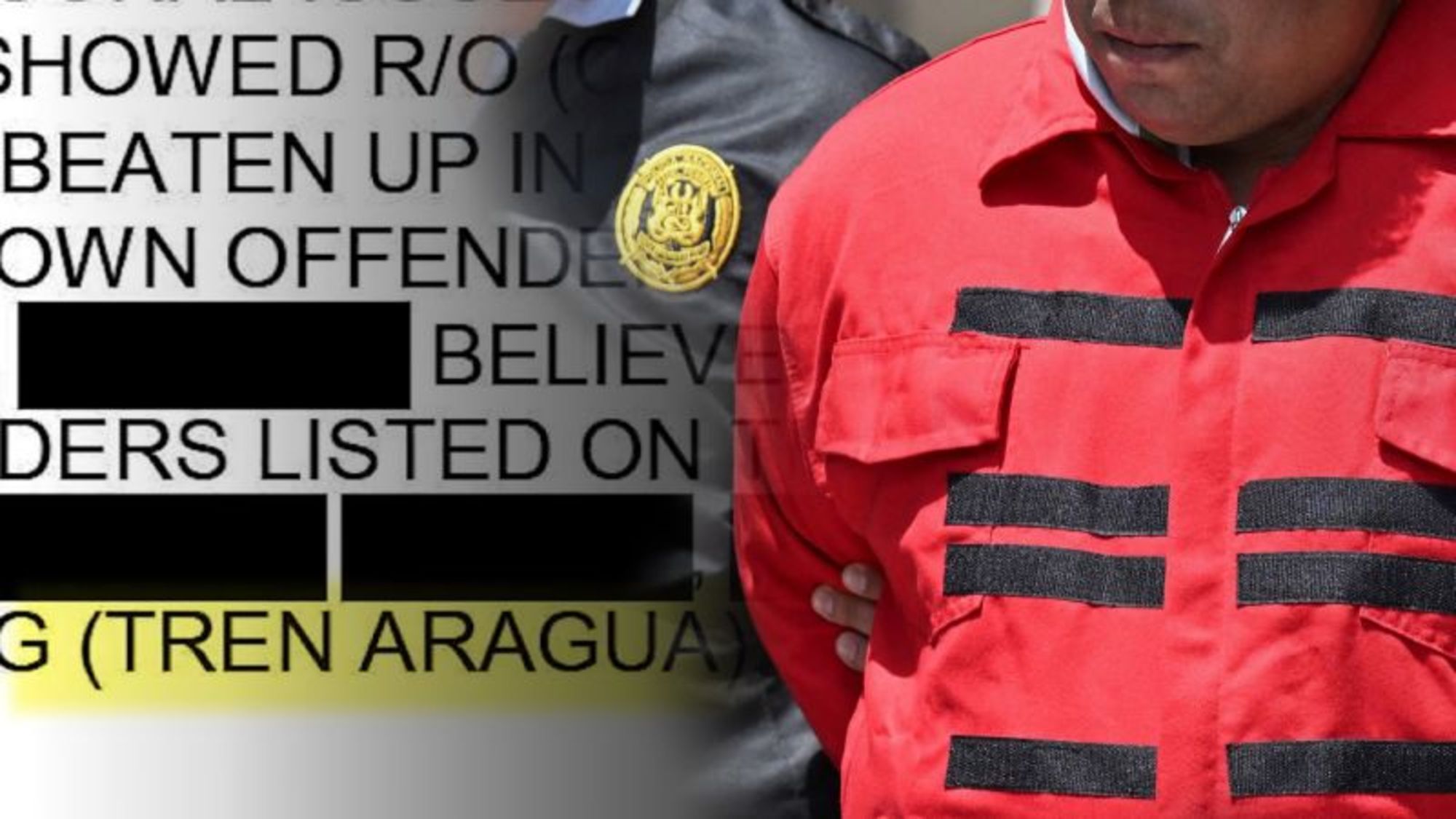
Paloma Valencia, a prominent Colombian journalist and Petro critic, accused the government of hypocrisy, tweeting that “they are addicted to the blood of the people, vampires”—a remark that drew swift condemnation from Petro’s camp. The exchange highlighted the polarized debate over Colombia’s security approach, with hardliners arguing that military force remains necessary to combat gangs, while Petro’s supporters insist on negotiation and social programs.
In the United States, where Úsuga was once a target of a $5 million bounty under former President Donald Trump’s administration, the operation has been met with cautious optimism. A U.S. State Department spokesperson called the strike a “step forward” but warned that “more must be done to dismantle the criminal networks that thrive in the region.” The Biden administration has avoided direct praise for Petro, instead emphasizing bilateral cooperation on counter-narcotics.
What Happens Next: The Uncertain Future of Colombia-Venezuela Security Cooperation
The operation’s success raises three critical questions for the region:
- Will this cooperation extend beyond Úsuga? Venezuelan officials have not ruled out further joint operations, but Maduro’s government has a history of selective engagement with Colombia—often prioritizing its own interests over regional stability.
- How will Petro respond to domestic criticism? The president’s walking-back of Leyva’s comments suggests an effort to balance hardline demands with his peace agenda. But with midterm elections approaching in 2025, Petro may face pressure to demonstrate stronger results against criminal groups.
- What happens to the Tren de Aragua’s leadership vacuum? Úsuga’s death leaves a power struggle brewing within the gang, with second-in-command “Jesús Santrich” (a former FARC negotiator) already positioning himself as a successor. Analysts warn that infighting could lead to even greater violence in Colombia’s prisons and border regions.
The strike against Úsuga is more than the death of a criminal kingpin—it is a test of Petro’s diplomacy, a barometer of Venezuela’s shifting alliances, and a warning about the enduring threat of transnational gangs. With no clear end in sight to the violence, the region’s leaders now face the question: Is this a turning point—or just another chapter in a longer war?
