Keir Starmer Announces Forthcoming Ban on Social Media for Children Under 16 – The Journal
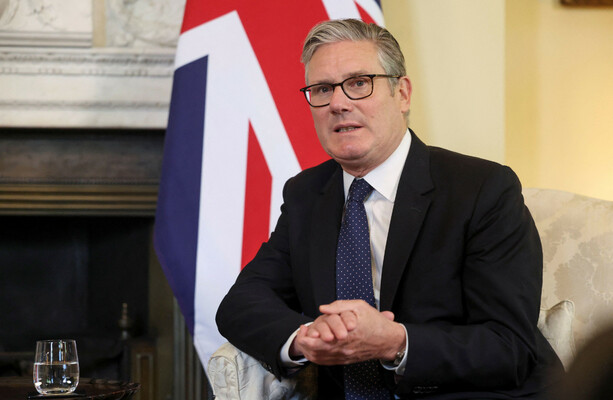
Prime Minister Keir Starmer has announced a government plan to ban children under 16 from using social media. According to GOV.UK, the landmark move aims to “give kids their childhood back.” The Guardian reports that Starmer intends for the ban to come into force by next spring.
What is the scope of the social media ban for under-16s?
The UK government is preparing legislation to prohibit children under the age of 16 from accessing social media platforms. This announcement, reported by the BBC and Sky News, marks a significant shift in the government’s approach to digital safety and child protection. The policy focuses on the total restriction of social media accounts for this age group, moving beyond previous efforts that relied on parental controls or platform-led age verification.
According to official statements on GOV.UK, the primary objective of the ban is to protect children from the perceived harms of constant connectivity and the algorithmic pressures of social platforms. The government describes the initiative as a “landmark move” designed to restore a more traditional childhood, free from the influence of social media feeds and the associated pressures of online social validation.
While the Prime Minister has outlined the intent, the specific legal mechanisms for enforcement remain a point of discussion. The ban will likely target the platforms themselves, requiring them to implement rigorous age-verification systems to ensure users under 16 are blocked from creating accounts or accessing the service.
When will the ban on social media for under-16s take effect?
The timeline for implementation is aggressive. According to reporting from The Guardian, Keir Starmer has expressed hope that the ban will be fully operational by next spring. This suggests a rapid legislative process to move the proposal from announcement to enforcement.
The window between the announcement and the projected spring deadline leaves limited time for the government to consult with tech companies and develop the technical standards required for age verification. This timeline indicates a high level of political urgency regarding the issue of youth mental health and online safety.
| Milestone | Expected Timing | Source |
|---|---|---|
| Policy Announcement | Current | BBC / Sky News |
| Legislative Development | Winter | Government Projection |
| Full Implementation | Next Spring | The Guardian |
Why is the government banning social media for children under 16?
The rationale behind the ban is rooted in the government’s desire to mitigate the negative impacts of social media on adolescent development. GOV.UK explicitly states that the goal is to “give kids their childhood back,” suggesting that the current digital environment is detrimental to the natural growth and well-being of children.

“Social media to be banned for under-16s in landmark government move to give kids their childhood back.” — GOV.UK
The move follows years of growing concern over the link between social media use and rising rates of anxiety, depression, and body dysmorphia among teenagers. By removing the platform entirely for those under 16, the government aims to eliminate the source of these pressures rather than attempting to regulate the content within the platforms.
Key drivers for the policy include:
- Mental Health: Reducing the impact of “comparison culture” and the addictive nature of infinite-scroll algorithms.
- Cyberbullying: Limiting the avenues through which peer-to-peer harassment can occur outside of school hours.
- Sleep and Focus: Encouraging children to engage in physical activities and face-to-face social interactions.
- Predatory Behavior: Reducing the surface area for adults to contact minors via direct messaging on public platforms.
How does this differ from previous online safety measures?
Prior to this announcement, the UK’s approach to online safety was largely defined by the Online Safety Act. That legislation focused on “duty of care,” requiring platforms to remove illegal content and protect children from “harmful” material. However, the Online Safety Act did not ban access based on age; it instead mandated that platforms make their services safer for children.
The new proposal is a fundamental shift from regulation of content to restriction of access. Instead of asking platforms to filter out harmful posts, the government is now proposing a hard age limit. This moves the responsibility from the content moderator to the gatekeeper of the account.
This approach mirrors a growing global trend toward stricter age limits. For example, several other jurisdictions have explored similar bans or mandatory parental consent laws. By setting a firm limit at 16, the UK government is attempting to create a clear legal boundary that is easier to enforce than the vague definition of “harmful content.”
What are the technical and legal challenges of enforcement?
Implementing a total ban for under-16s presents significant technical hurdles. Currently, most social media platforms rely on “self-declaration” of birth dates, which is easily bypassed by children. To make the ban effective, the government will likely need to mandate robust age-verification technology.
The Age Verification Debate
Effective age verification typically requires one of three things: government-issued identification, biometric scanning (such as facial age estimation), or third-party credit card verification. Each of these options brings its own set of complications:

- Privacy Concerns: Requiring millions of users to upload IDs to private tech companies raises significant data security and privacy risks.
- Accessibility: Many 14- and 15-year-olds do not possess the formal identification required for strict verification.
- VPNs and Workarounds: Tech-savvy teenagers often use Virtual Private Networks (VPNs) to mask their location and bypass regional restrictions.
Legal Challenges from Big Tech
It is expected that major technology firms may challenge the legality of the ban. Platforms may argue that such a restriction violates freedom of expression or interferes with the commercial rights of the companies. Furthermore, the logistical burden of verifying every single user’s age could be framed as an undue regulatory cost.
How are different media outlets framing the story?
Analysis of the reporting across major outlets reveals a slight difference in focus. The BBC and Sky News have presented the story as a primary political update, focusing on the fact of the announcement. In contrast, The Guardian has highlighted the specific timeline, emphasizing the “next spring” target, which adds a layer of urgency and scrutiny to the government’s ability to deliver.
The official government communication via GOV.UK uses more emotive and ideological language, framing the ban as a way to “give kids their childhood back.” This suggests the government is positioning the ban not just as a safety measure, but as a cultural intervention to change how the next generation interacts with technology.
A comparison of the framing shows the following:
- GOV.UK: Frames the move as a “landmark” social victory for children.
- The Guardian: Frames the move through the lens of political deadlines and feasibility.
- BBC/Sky News: Frames the move as a breaking news policy shift by the Prime Minister.
What are the potential implications for families and schools?
The ban will likely shift the battleground for digital access from the platform to the home. If social media becomes illegal for under-16s, parents may find themselves in a position of policing “underground” app usage. There is a risk that children will move toward less regulated, encrypted messaging apps that are harder for parents to monitor than mainstream social media platforms.
For schools, the ban could reduce the immediate impact of social media conflicts during the school day. However, educators may also lose a tool for digital literacy. Teaching students how to navigate the internet safely is often easier when they are using the platforms they encounter in the real world. A total ban may leave 16-year-olds entering the digital world without the necessary skills to handle it safely.
For those interested in the broader regulatory environment, a related explainer on the Online Safety Act provides context on how the UK has previously attempted to manage digital harms.
Frequently Asked Questions
Who exactly is affected by the social media ban?
The ban targets all children under the age of 16 living in the UK. This includes users of major platforms such as TikTok, Instagram, Snapchat, and X (formerly Twitter).
When will the ban start?
According to The Guardian, Prime Minister Keir Starmer hopes the ban will come into force by next spring, although a specific date has not yet been codified in law.
How will the government verify the age of users?
While the specific methods have not been detailed in the initial announcement, enforcement will likely require platforms to implement strict age-verification systems, moving away from simple birth-date entry.
Is this a total ban or just for certain apps?
The announcement refers to “social media” generally. While the specific list of banned apps has not been published, it is expected to cover all platforms that allow user-generated content and social networking.
Will parents be able to override the ban?
The current announcements from GOV.UK and other outlets do not specify whether parental consent will be an exception. This remains one of the key details to be clarified during the legislative process.
The success of the ban depends on the government’s ability to bridge the gap between political intent and technical reality. As the spring deadline approaches, the focus will shift from the “why” of the policy to the “how” of its enforcement. The interaction between the UK government, the regulator Ofcom, and global tech giants will determine whether this landmark move results in a genuine shift in childhood or a new era of digital evasion.
