6.3-Magnitude Quake Hits Mindanao, Philippines: Death Toll Rises as Region Faces Seismic Activity
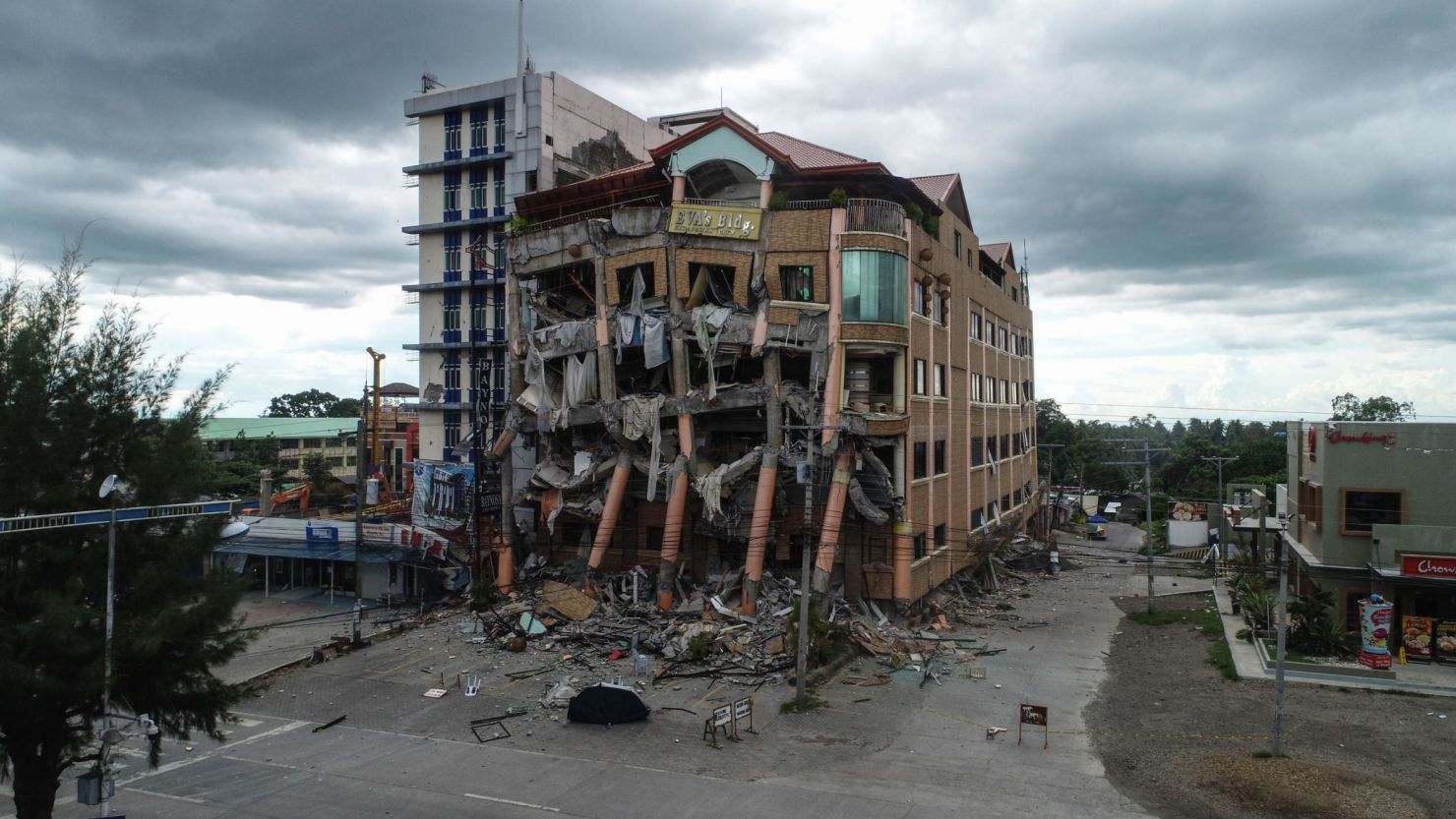
A 6.3-magnitude earthquake struck Mindanao in the southern Philippines, contributing to a death toll that has climbed to 61, according to reports from Tempo.co English. This seismic event occurred amid broader regional instability, including a separate 7.7-magnitude earthquake in the Sulawesi Sea that triggered tsunami early warnings, as reported by ANTARA News.
What are the confirmed casualties from the Mindanao earthquake?
Casualty reports for the earthquake in the southern Philippines have fluctuated as rescue operations continue. Tempo.co English reports that the death toll has risen to 61. However, other reports indicate a different figure; The Jakarta Post previously stated the death toll rose to 46. This discrepancy often occurs in the immediate aftermath of natural disasters as local authorities update records and search-and-rescue teams reach remote areas.
The variance in numbers suggests an evolving situation on the ground. While The Jakarta Post provided a lower count, the most recent update from Tempo.co English indicates a higher number of fatalities, reflecting the scale of the destruction in the Mindanao region.
| Reporting Source | Reported Death Toll | Status |
|---|---|---|
| The Jakarta Post | 46 | Earlier Report |
| Tempo.co English | 61 | Updated Report |
How did the 6.3-magnitude quake hit Mindanao, Philippines — GFZ – Xinhua?
The seismic event was tracked and reported by the German Research Centre for Geosciences (GFZ), with details disseminated via Xinhua. The earthquake registered a magnitude of 6.3, striking the Mindanao region of the Philippines. Mindanao, the second-largest island in the archipelago, is situated in a highly active tectonic zone, making it susceptible to frequent and powerful tremors.
According to the GFZ data, the quake’s magnitude was sufficient to cause significant structural damage. In regions like southern Philippines, where building codes vary and many structures are made of lightweight or non-reinforced materials, a 6.3-magnitude event can lead to widespread collapse and high casualty rates.
The Role of GFZ and Xinhua in Reporting
The GFZ (German Research Centre for Geosciences) provides global seismic monitoring, offering precise data on magnitude and epicenter location. When Xinhua reported the 6.3-magnitude quake hits Mindanao, Philippines — GFZ – Xinhua, it utilized this international data to alert the global community to the event’s severity. This collaboration between scientific monitoring bodies and news agencies ensures that disaster response teams have accurate data to determine the impact zone.
What was the impact of the 7.7-magnitude Sulawesi Sea earthquake?
While the Mindanao quake caused direct casualties, a separate and more powerful 7.7-magnitude earthquake occurred in the Sulawesi Sea. According to ANTARA News, this event was significant enough to trigger an early tsunami warning. Tsunami warnings are issued when an undersea earthquake displaces a large volume of water, potentially sending devastating waves toward coastal communities.
The Sulawesi Sea is a critical maritime corridor between Indonesia and the Philippines. A magnitude 7.7 event is categorized as a “major” earthquake, capable of causing severe damage over large areas. The issuance of the tsunami warning required immediate evacuation protocols for coastal residents in the surrounding region to prevent further loss of life.
The proximity of the Mindanao quake and the Sulawesi Sea event highlights a period of intense seismic activity in the western Pacific. While these events may be separate, they place an immense strain on the disaster management resources of both the Philippines and Indonesia.
How is the international community responding to the crisis?
The severity of the earthquake in the southern Philippines has drawn attention from neighboring nations. Malaysian Prime Minister Anwar Ibrahim has officially stated that Malaysia is ready to provide aid to the earthquake-hit Philippines, according to Tempo.co English.
“Malaysia is ready to aid earthquake-hit Philippines,” stated PM Anwar.
This offer of assistance typically includes the deployment of search-and-rescue (SAR) teams, medical supplies, and emergency shelter. The diplomatic gesture underscores the regional cooperation within ASEAN (Association of Southeast Asian Nations) during humanitarian crises. Malaysia’s readiness to intervene suggests that the scale of the disaster in Mindanao has exceeded local capacity for immediate relief.
Key Areas of Potential Aid
- Search and Rescue: Specialized teams to locate survivors trapped under rubble.
- Medical Support: Field hospitals and emergency medical teams to treat the injured.
- Logistical Support: Transport of food, clean water, and clothing to isolated villages.
- Technical Expertise: Geologists and engineers to assess the stability of remaining structures.
Why is Mindanao so prone to earthquakes?
Mindanao’s vulnerability to seismic events is a result of its geographic location. The Philippines sits atop the “Pacific Ring of Fire,” a horseshoe-shaped belt in the Pacific Ocean where a large number of earthquakes and volcanic eruptions occur. This is caused by the movement and collision of several tectonic plates.

The region is influenced by the interaction between the Philippine Sea Plate and the Eurasian Plate. Specifically, the Philippine Fault System—a 1,200 km long left-lateral strike-slip fault—runs through the archipelago. When stress builds up along these fault lines, it is released as seismic energy, resulting in earthquakes.
The 6.3-magnitude quake hits Mindanao, Philippines — GFZ – Xinhua is a manifestation of this ongoing tectonic pressure. Because the fault lines often run directly beneath populated areas, even moderate earthquakes can result in significant death tolls if infrastructure is not seismically reinforced.
Comparing Seismic Risks: Mindanao vs. Sulawesi
The contrast between the 6.3-magnitude Mindanao quake and the 7.7-magnitude Sulawesi Sea quake demonstrates two different types of seismic threats. The Mindanao event was characterized by its impact on land-based structures and high casualty counts. In contrast, the Sulawesi event, while more powerful, posed a primary threat via the ocean in the form of a tsunami. Both events, however, stem from the same overarching regional instability of the Indo-Australian and Pacific plates.
What are the long-term implications for the southern Philippines?
The recurring nature of these disasters creates a cycle of destruction and reconstruction that hinders economic growth in Mindanao. When death tolls rise to 61, as reported by Tempo.co English, the loss is not only human but also economic. Small businesses, farms, and local infrastructure are often wiped out, leaving communities dependent on government and international aid.
Furthermore, the issuance of tsunami warnings after the Sulawesi Sea quake emphasizes the need for better early-warning systems. For coastal communities in the Philippines, the time between a seismic event and the arrival of a tsunami wave can be very short. Improving the speed and accuracy of these warnings is critical for survival.
The offer of aid from PM Anwar of Malaysia also points to a broader geopolitical reality: the Philippines’ reliance on regional partners for disaster resilience. Strengthening these ties can lead to better shared intelligence on seismic activity and more coordinated response strategies.
Common Misconceptions About Regional Quakes
A common misconception is that only “mega-quakes” (magnitude 8.0 or higher) cause significant death tolls. As seen in the Mindanao event, a 6.3-magnitude quake can be lethal. The death toll is often more dependent on the depth of the quake and the quality of construction than the magnitude alone. A shallow 6.3 quake in a densely populated area with poor building standards can be more destructive than a deep 7.7 quake in an unpopulated region of the sea.
Frequently Asked Questions
What was the magnitude of the Mindanao earthquake?
The earthquake that hit Mindanao was recorded at a magnitude of 6.3, according to data from the GFZ (German Research Centre for Geosciences) and reported by Xinhua.
How many people died in the southern Philippines earthquake?
Reports vary by source. The Jakarta Post reported 46 deaths, while Tempo.co English reported that the death toll rose to 61.

Was there a tsunami warning?
Yes, but the tsunami early warning was specifically issued following a separate 7.7-magnitude earthquake in the Sulawesi Sea, according to ANTARA News.
Which countries are providing help to the Philippines?
Malaysia, through Prime Minister Anwar Ibrahim, has expressed its readiness to provide aid to the affected regions in the Philippines.
Why does the death toll change between different news reports?
Death tolls often change during the first few days of a disaster as more bodies are recovered from debris, missing persons are confirmed dead, and local government units synchronize their data with national agencies.
The ongoing situation in Mindanao and the surrounding seas serves as a reminder of the volatility of the Pacific Ring of Fire. With casualties rising and neighboring nations offering support, the focus now shifts to recovery and the urgent need for seismic-resistant infrastructure in the southern Philippines. Monitoring by agencies like the GFZ remains essential to providing the data necessary to save lives in future events.
