
India is acquiring submarines from Germany in a deal valued at approximately Rp 144 trillion, according to local media reports. The procurement aims to strengthen India’s maritime defense capabilities in the Indian Ocean, a move that observers suggest increases strategic pressure on China.
Fast Facts
- Buyer: India
- Supplier: Germany
- Estimated Cost: Rp 144 trillion
- Primary Objective: Enhancing naval deterrence in the Indo-Pacific
How the German Submarine Deal Impacts Regional Stability
The acquisition of German-made submarines allows India to enhance its underwater warfare and surveillance capabilities. According to reports, this investment targets the strategic balance of power in the Indian Ocean, where India seeks to maintain a dominant presence to counter the growing influence of the Chinese People’s Liberation Army Navy (PLAN).
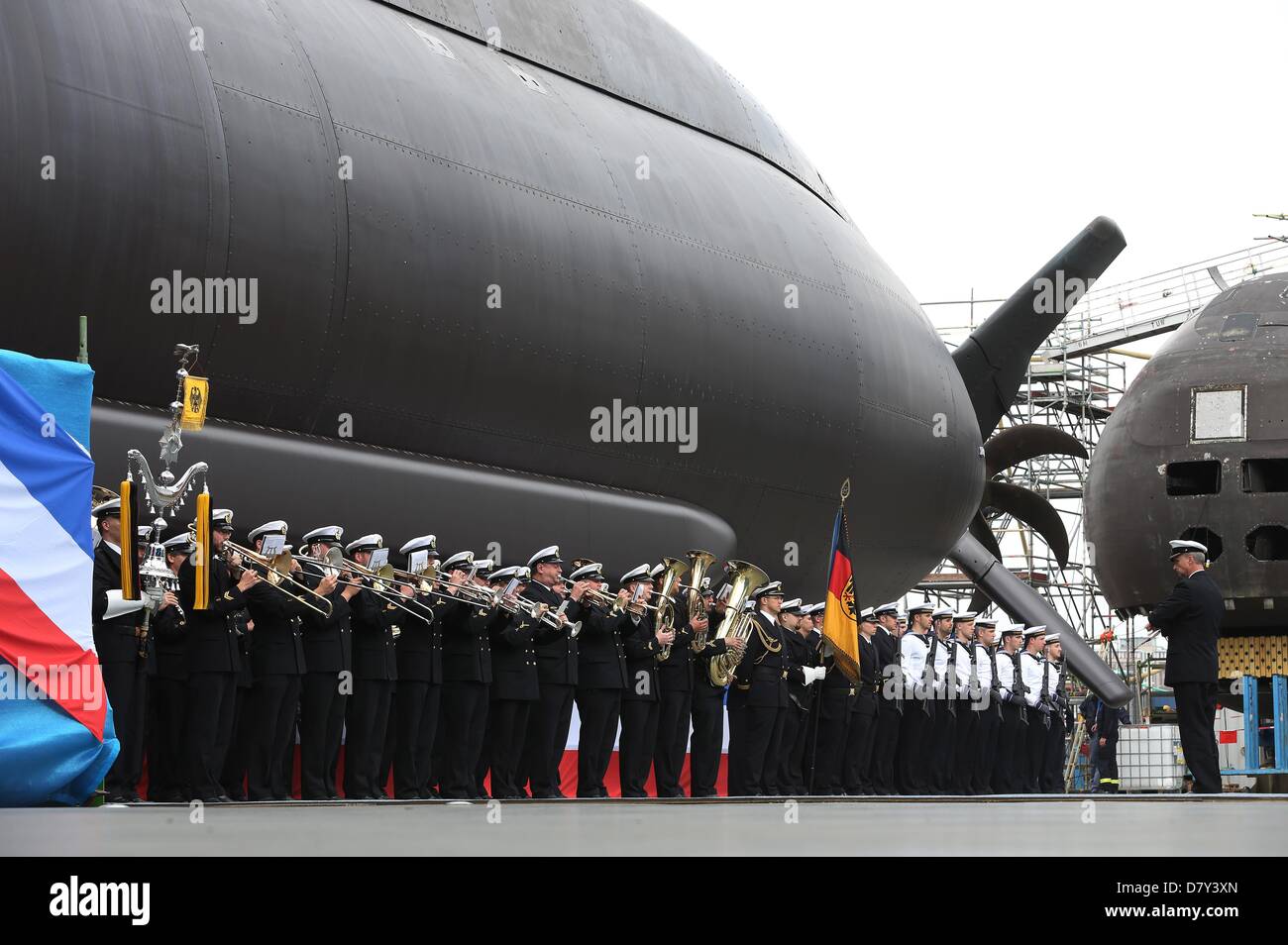
Military analysts indicate that the addition of high-technology German vessels provides India with a stealth advantage, which is critical for monitoring foreign naval movements and protecting trade routes. This shift in naval architecture is viewed as a direct response to China’s increasing activity in the region.
The Financial Scope and Strategic Partnership
The deal, estimated at Rp 144 trillion, underscores a deepening defense relationship between New Delhi and Berlin. By sourcing hardware from Germany, India diversifies its military supply chain, reducing reliance on any single nation for critical defense infrastructure.
This procurement reflects India’s broader strategy to modernize its fleet through international partnerships. The scale of the expenditure highlights the priority the Indian government places on maritime security as a core component of its national defense policy.
Why China is Monitoring the Acquisition
Reports suggest the deal has placed Chinese strategic planners on alert. China’s naval expansion into the Indian Ocean—often described as the “String of Pearls” strategy—faces a more capable deterrent as India integrates advanced German submarine technology into its fleet.
The ability to conduct covert operations and long-term surveillance increases the risk for Chinese vessels operating far from their home ports. Consequently, this procurement is seen not merely as a hardware upgrade, but as a geopolitical signal regarding India’s resolve to secure its maritime borders.
