Japan and US stage rare coordinated intervention to halt yen slide
The United States and Japan deployed nearly $96 billion in a historic joint market defense to rescue the yen from 40-year lows, though analysts warn structural vulnerabilities remain.
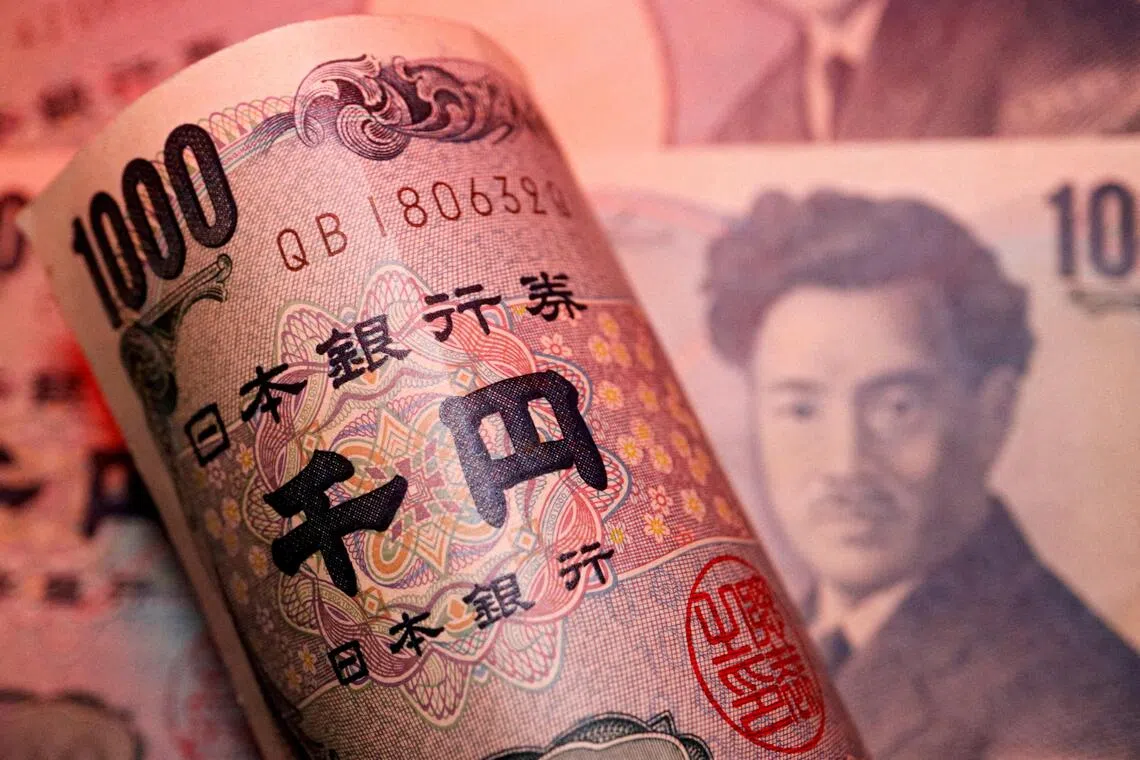
A multi-billion-dollar joint market defense by Washington and Tokyo has hauled the Japanese currency away from 40-year lows, yet financial analysts warn that central bank intervention cannot cure Japan's underlying structural vulnerabilities, leaving households exposed to enduring import inflation.
The unprecedented currency defense, executed last week, deployed staggering financial firepower. According to central bank data, Tokyo spent nearly $59 billion in solo market operations in New York markets before launching a historic joint yen-buying intervention alongside the United States Department of the Treasury. Bank of Japan data indicated that authorities poured up to an additional $36.58 billion into the market during the collaborative push. In a highly unusual mechanical shift noted by market sources, the U.S. Treasury sold euros instead of dollars to buy yen, a strategic maneuver designed to bolster the Japanese currency without signaling that Washington favored a weaker greenback.
Related YouTube video
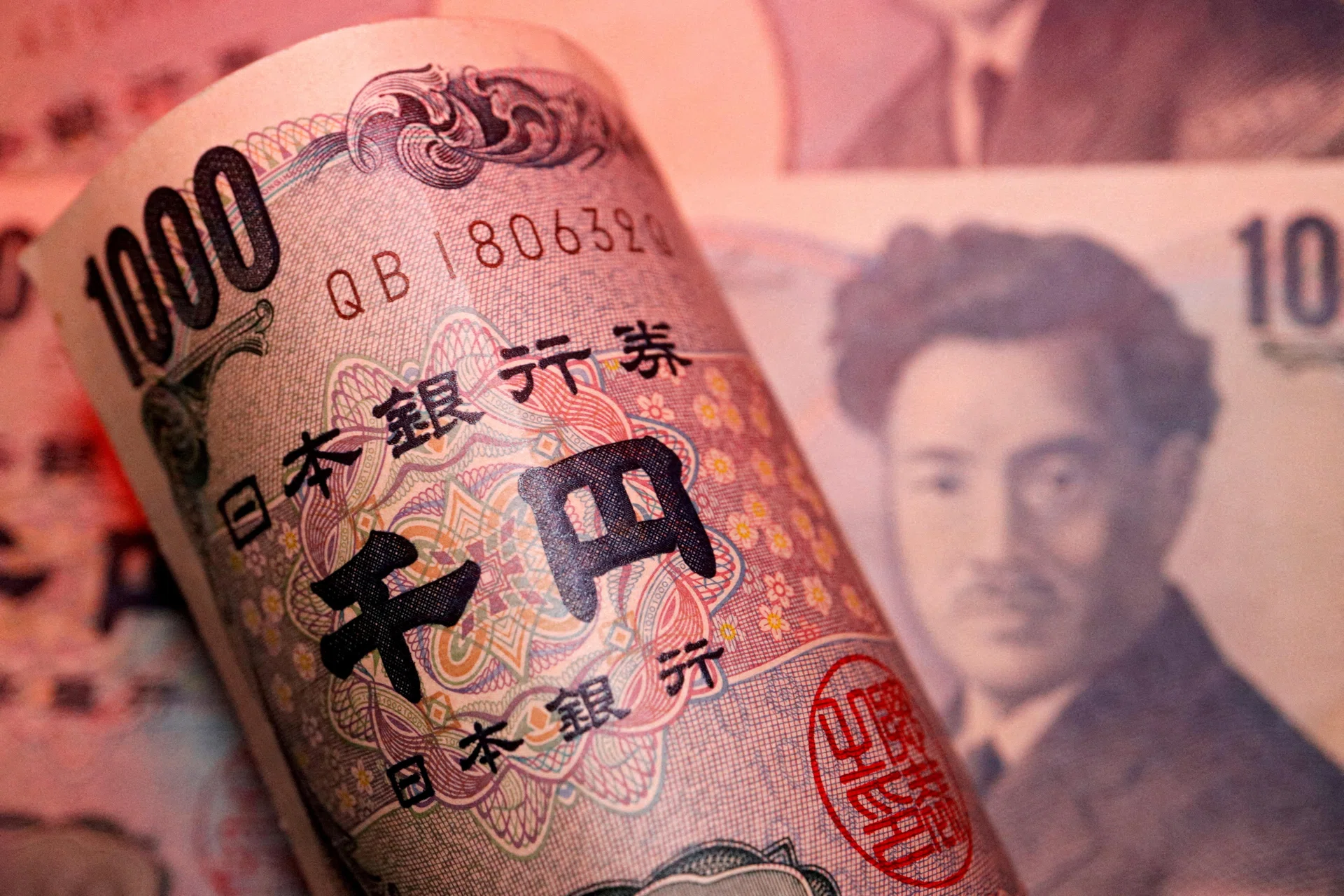

The immediate market reaction was swift. The currency surged past 155.20 per dollar following the announcement, its strongest level since early May, before trading around 156.92 and eventually settling toward 157.72 as the week progressed. Citi analysts noted that trading volumes in the USD/JPY pair spiked to roughly $27 billion during Monday's early morning window, compared to recent averages of $1.9 billion.
For ordinary Japanese citizens, the currency's collapse to 163.99 in July had triggered a severe cost-of-living crisis. Because Japan imports almost all of its energy and raw materials — with the majority of oil sourced from the Middle East — a weak yen inflates the cost of everyday goods, food, and fuel. While these exchange rates traditionally padded the profits of mega-exporters and transformed the country into an affordable destination for foreign tourists, domestically focused businesses and households bore the brunt of imported inflation. This economic squeeze directly battered public approval ratings for Prime Minister Sanae Takaichi, whose administration faces intense political debate over fiscal stimulus and tax policy.
Despite the historic scale of the rescue, economists emphasize that intervention merely treats symptoms rather than structural disease. The currency's chronic weakness stems from profound macroeconomic imbalances, notably the yawning interest rate differential between Japan's ultra-low borrowing costs and higher yields in the United States and other major economies. Furthermore, Japan's heavy debt burden exceeds 200 per cent of gross domestic product, representing the highest ratio among major industrial economies.
"If Japan wants a higher yen, it needs to address the monetary and fiscal policy concerns."
Mark Sobel, former Treasury official and U.S. chair of the OMFIF financial think tank, via AOL
To prevent immediate speculative attacks, Japanese Finance Minister Satsuki Katayama and U.S. Treasury Secretary Scott Bessent issued joint warnings that both nations would not hesitate to move again. Washington indicated it would consider expanding the Federal Reserve's repurchase facility, a COVID-19-era liquidity backstop that allows Tokyo to raise dollar funds using U.S. Treasuries as collateral without dumping government bond holdings. Prime Minister Takaichi's administration has concurrently urged major institutional investors, including the Government Pension Investment Fund, to increase allocations toward domestic assets.
Market participants are now turning their attention to the Bank of Japan, where hawks anticipate that policymakers will follow up intervention with actual interest rate hikes. The 2-year Japanese government bond yield touched 1.545% on Monday, marking its highest level since 1995 as traders price in the growing probability of monetary tightening at the central bank's upcoming September policy meeting.
Fiscal Hurdles and the Road to September
While the joint defense offered immediate relief, domestic political pressures continue to complicate the path forward for Prime Minister Sanae Takaichi’s administration. According to reporting highlighted by China Daily, Takaichi unveiled a plan in late July to reduce the consumption tax on food and beverages from 8 percent to 1 percent for a two-year period starting in April 2027. This initiative, designed to shield households from persistent inflation, has sparked intense debate among ruling and opposition lawmakers over the lack of a clear revenue alternative. Economists cited by the same outlet warn that Tokyo must present stable funding sources to dispel market fears regarding fiscal expansion.
- Japan’s national debt burden exceeds 200 per cent of gross domestic product, the highest among major economies.
- The 2-year JGB yield, which is most sensitive to near-term monetary policy moves, briefly hit 1.545% on Monday, the highest since 1995, as markets priced in the chance of an early rate hike.
- U.S. President Donald Trump said on Sunday the United States was helping Japan prop up the yen as a sign of friendship and to help the world economy.
Adding to the shifting external dynamics, Reuters noted that the greenback, meanwhile, was nursing losses, having slid in the wake of the yen-buying intervention and on the back of falling oil prices, while Commonwealth Bank of Australia strategist Joseph Capurso pointed to upcoming U.S. Employment figures as critical inputs for Global monetary trajectories. Domestically, Atsushi Mimura, Japan’s top currency diplomat, told reporters that the joint action was the "culmination" of the U.S.-Japan alliance, and affirmed that authorities will continue to align exchange rate policy with the central bank. The next step for financial markets rests squarely on the Bank of Japan's upcoming policy meeting in September, where hawks widely anticipate the central bank will follow intervention with concrete interest rate hikes.
How significant is this development?
Contribute your assessment to the aggregated reader intelligence ledger.
Archypedia is dedicated to independent, evidence-backed reporting. This briefing was synthesized from primary source reporting, corroborated across independent newsrooms, and verified against our Editorial Standards.
Transparency record
Evidence behind this report
This report synthesizes 4 distinct sources. Open the source ledger below to compare the underlying coverage.
Prepared under the Archypedia Editorial Policy by the Elena Voss editorial desk profile. AI-assisted tools may support drafting and verification; public accountability remains with Archypedia. Report an error.

