Treasury Secretary Bessent Dares Traders to Bet Against a Stronger Yen: ‘I Am the House
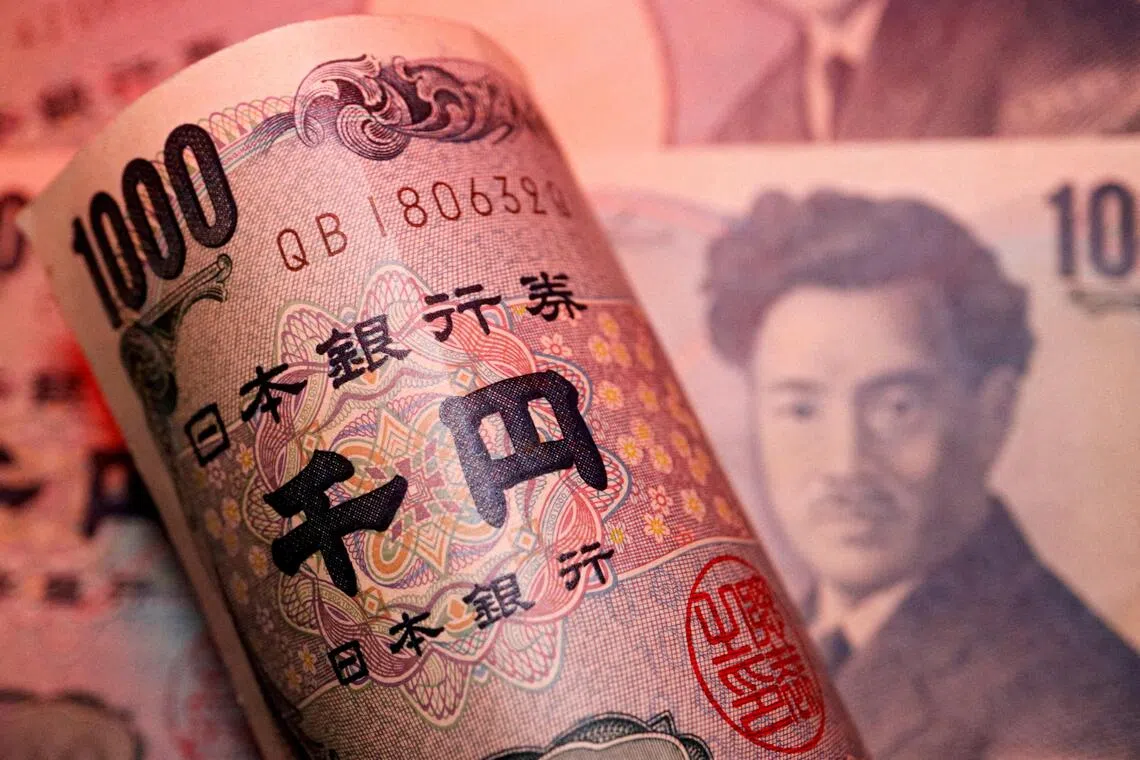
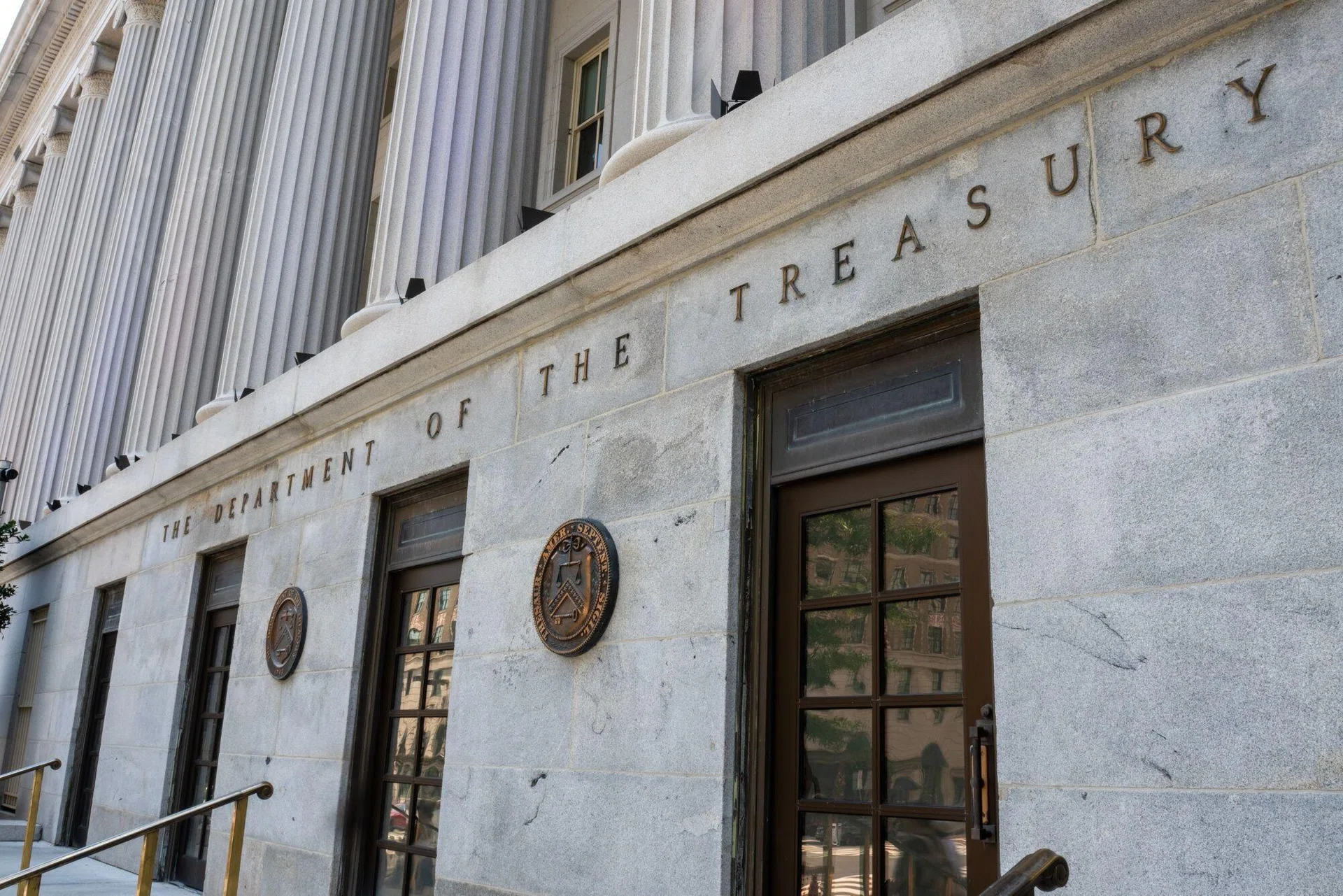
Treasury Secretary Scott Bessent warned short sellers against betting against the Japanese yen, citing joint intervention and privileged policy alignment.

Mechanics of the Joint Intervention and the $96.4 Billion Defense
The friction in the foreign exchange market follows a historic intervention campaign. According to reporting detailed by Bloomberg and distributed via platforms like Yahoo Finance and QQ News, Japan and the United States expended $96.4 billion between July 30 and August 26 to rescue the yen from a four-decade low. Following the initial actions, dollar-yen trading retreated from peaks near ¥155, settling closer to ¥153.6. Hedge funds are currently positioned for the currency pair to drop beneath ¥150 by year-end, with select options targeting a move toward ¥140.| Metric / Event | Verified Detail |
|---|---|
| Joint Intervention Outlay | $96.4 billion spent between July 30 and August 26 |
| Dollar-Yen Exchange Rate Range | Fell from peaks above ¥155 down to approximately ¥153.6 |
| Anticipated BOJ Action | Potential 0.25 percentage point rate hike expected at the September 18 meeting |
| SoftBank Bridge Loan Repayment | $25.9 billion remaining balance due for settlement on September 15 |
Stakeholder Perspectives: Asymmetric Information Versus Historic Traps
Supporters in Tokyo view Bessent's background as a former macro trader as a distinct strategic advantage. Tadashi Matsukawa, head of bond investments at PineBridge Investments Japan, observed via Bloomberg thatBessent's remarks carry immense weight. The message is clear: do not defy the Treasury Secretary.Kazushige Koda, head of foreign exchange sales at State Street Bank and Trust Company in Tokyo, added that the
I am the housephrasing reflects the mindset of a practitioner who genuinely understands market mechanics, earning a degree of market respect. Conversely, Paul Donovan, chief economist at UBS Global Wealth Management, challenged the foundational logic of the Treasury Secretary's stance, noting that
The casino analogy only works if yen weakness were speculative.Donovan warned that if pre-intervention exchange rates were driven by economic fundamentals rather than speculation, the appropriate historical parallel is not a casino, but the United Kingdom's disastrous 1992 exchange rate mechanism crisis. Under that comparison, Bessent's posture resembles that of former U.K. Chancellor Norman Lamont attempting to defy macroeconomic gravity.
Domestic Bond Fever and Stock Market Spillovers
Beyond foreign exchange markets, Bessent has intervened domestically by expanding a Treasury buyback program targeting older government securities, an action he described as an effort to calm afeverin the bond market. That maneuver drew internal pushback, notably from his mentor, Stanley Druckenmiller. Meanwhile, equities face indirect pressure. Rich Privorotsky of Goldman Sachs warned in a note that secondary implications matter deeply for stock investors. As the yen strengthens, investors executing low-yield yen-funded carry trades are forced to unwind those positions, potentially draining liquidity from the S&P 500 and mega-cap technology complexes that have recently appeared heavy without clear fundamental justification.
Frequently Asked Questions
What does Scott Bessent mean by I am the house now
?
Bessent used the phrase during a speech at Southern Methodist University to emphasize that his coordination with Japanese policymakers and the Bank of Japan gives him inside insight into upcoming policy decisions, reducing the risk of his foreign exchange interventions.
Related YouTube video


Why are economists comparing Bessent's strategy to the 1992 U.K. Currency crisis?
Skeptics like UBS chief economist Paul Donovan argue that if the yen's decline is driven by deep economic fundamentals rather than mere speculation, official intervention will fail just as the U.K.'s defense of the pound failed under Chancellor Norman Lamont.
Wider Financial Tremors and Upcoming Debt Maturities
The aggressive posture adopted by U.S. Treasury Secretary Scott Bessent reverberates well beyond foreign exchange trading desks, intersecting directly with heavy corporate debt obligations and broader market leverage. According to reporting by Bloomberg and distributed via Yahoo Finance, SoftBank Group Corp. Is preparing to pay down the remaining balance of $25.9 billion on its massive bridge loan on September 15. The non-collateralized borrowing originally totaled $40 billion and was deployed earlier to finance founder Masayoshi Son's stake in OpenAI. As Bloomberg Intelligence analyst Kirk Boodry observed via Yahoo Finance, the Japanese conglomerate is attempting to get ahead of the maturity deadline by issuing bonds to push maturities out by several years and avoid market drama surrounding corporate leverage.
Concurrently, market participants are weighing how structural shifts in Japanese monetary policy might reshape global asset allocations. As highlighted in coverage by MarketWatch and Yahoo Finance, the anticipated unwinding of low-yield yen-funded carry trades poses a distinct hazard for domestic equities. Goldman Sachs strategist Rich Privorotsky warned in a note that secondary implications matter deeply for stock investors, cautioning that as the yen strengthens, investors executing carry trades are forced to pare or eliminate those positions. This dynamic threatens to drain liquidity from the S&P 500 and mega-cap technology complexes, which have recently appeared heavy without clear fundamental justification.
Market skepticism and official confidence now converge on a single imminent policy test. Whether Bessent's asymmetric leverage can permanently reshape currency valuations or whether market fundamentals will reassert themselves depends on the outcome of the Bank of Japan's upcoming deliberations, with the next step resting squarely on the central bank's rate decision this month.
Archypedia is dedicated to independent, evidence-backed reporting. This briefing was synthesized from primary source reporting, corroborated across independent newsrooms, and verified against our Editorial Standards.
Transparency record
Evidence behind this report
This report synthesizes 5 distinct sources. Open the source ledger below to compare the underlying coverage.
Prepared under the Archypedia Editorial Policy by the Elena Voss editorial desk profile. AI-assisted tools may support drafting and verification; public accountability remains with Archypedia. Report an error.