UK inflation falls to 2.6% in boost for Andy Burnham’s plans
The UK's annual inflation rate dropped to 2.6% in June, exceeding economist expectations as the new government unveils measures to support households. Analysts warn that global energy volatility and rising oil prices may cause inflation to rise again later this year.
The UK annual inflation rate reached 2.6% in June, a figure that arrived on Wednesday, 22 July 2026, as a welcome development for the administration of the new Prime Minister, Andy Burnham. The decline from the 2.8% rate recorded in May outpaced economist expectations of a slide to 2.7%, according to data released by the Office for National Statistics.
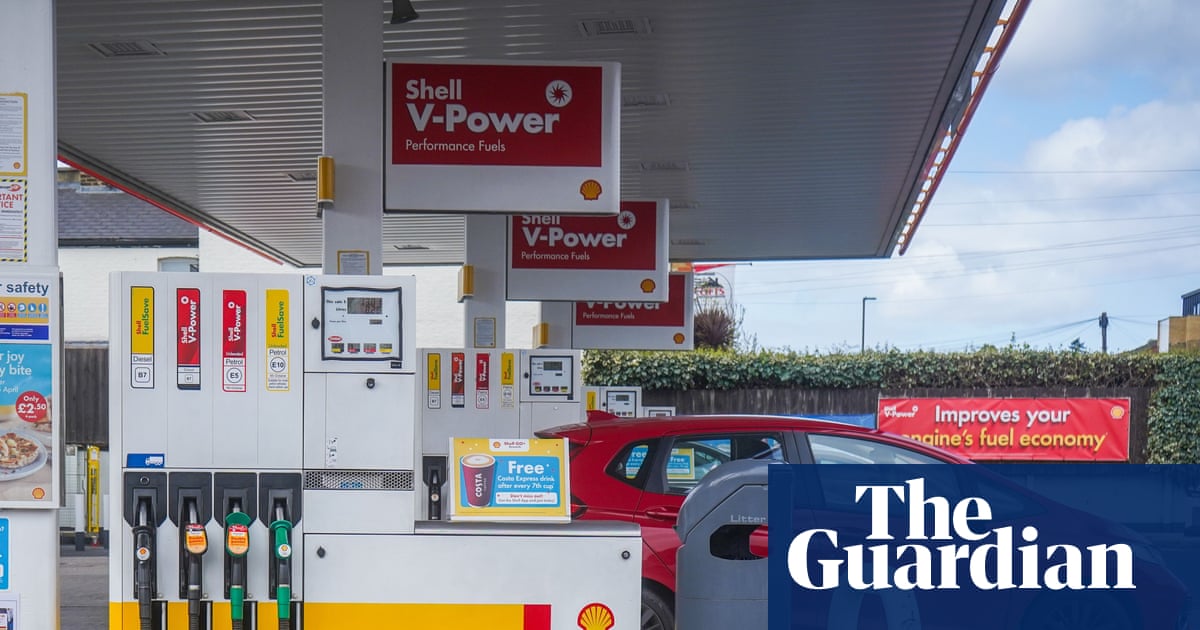
The cooling in headline inflation was primarily attributed to a reduction in fuel costs, as global oil prices briefly trended downward during an unstable truce in the Middle East. Grant Fitzner, the chief economist at the Office for National Statistics, noted that the cost of raw materials dipped for the first time since January, and that consumers saw price drops in food products, such as beef, chocolate, and margarine, alongside a decrease in clothing prices driven by summer sales.
Related media


Despite the headline fall, the economic environment remains complex. New Chancellor John Healey described the data as "news families want to hear," yet acknowledged that significant challenges remain in providing "breathing space" for households. In response to the cost-of-living pressures, the government has moved quickly during its first week in office, announcing a winter VAT cut on electricity bills and a new nationwide cap on bus fares, which will take effect in January. These measures are central to Burnham’s platform, which emphasizes support for working people.
However, analysts warn that the current downward trend in inflation may be short-lived. A primary concern is the re-escalation of hostilities in the Middle East, which has already pushed Brent crude prices back above $90 a barrel. The National Institute of Economic and Social Research (Niesr) anticipates that inflation will begin an upward trajectory through the end of the year, influenced by a 13% increase in the Ofgem energy price cap that took effect at the start of July. Capital Economics shares this cautious outlook, with chief UK economist Paul Dales predicting that inflation could rise above 3.0% in September and climb to approximately 3.5% early next year.
The political response to the figures has been divided. While supporters see the data as a positive foundation for the new government’s agenda, the opposition has challenged the administration’s economic direction. Shadow Chancellor Mel Stride criticized the government’s approach, suggesting that "Labour’s tax hikes and reckless borrowing stoked inflation" and expressing concern over spending commitments that lack a clear funding plan.
The latest inflation figures have shifted expectations for the Bank of England’s monetary policy. While the central bank is currently maintaining its key interest rate at 3.75%, experts suggest that the June data may provide policymakers with the space to hold rates steady at the upcoming meeting. Yael Selfin, chief economist at KPMG UK, noted that the data strengthens the case for a cautious approach, as underlying inflationary pressures remain muted due to weak domestic demand. Yet, Morgan Stanley analysts warn that the central bank’s stance could shift if oil prices reach $100 per barrel.
Key Economic Indicators and Forecasts
| Indicator | June Reading | Context |
|---|---|---|
| Annual Inflation (CPI) | 2.6% | Down from 2.8% in May; lowest since March 2025. |
| Energy Inflation | 5.7% | Lower than the 7.4% recorded in May. |
| Services Inflation | 3.6% | Slightly eased from 3.7% in the previous month. |
| Core Inflation | 2.6% | Remained unchanged from the previous reading. |
Beyond energy, observers are monitoring other components of the economy. James Smith of ING pointed to a 22% month-on-month rise in the cost of portable devices—a phenomenon labeled "chipflation"—which remains a point of interest for market watchers. Furthermore, the Bank of England is closely tracking wage growth, which held steady in the three months through May, as high pay demands could potentially lead to second-round inflationary effects.
As the government moves forward, the impact of its recently announced VAT cuts and price caps will be under scrutiny. While these policies are designed to alleviate immediate pressure on households, analysts like Charlotte O'Leary of Niesr suggest their overall effect may be limited as global energy prices continue to influence domestic production costs.
Archypedia is dedicated to independent, evidence-backed reporting. This briefing was synthesized from primary source reporting, corroborated across independent newsrooms, and verified against our Editorial Standards.
Transparency record
Evidence behind this report
This report synthesizes 5 distinct sources. Open the source ledger below to compare the underlying coverage.
Prepared under the Archypedia Editorial Policy by the Elena Voss editorial desk profile. AI-assisted tools may support drafting and verification; public accountability remains with Archypedia. Report an error.