Andy Burnham to scrap government digital ID scheme for cost of living aid
Incoming Prime Minister Andy Burnham is set to abandon the national digital ID project to prioritize cost-of-living support. The move signals a definitive departure from the policy framework established by his predecessor, Sir Keir Starmer.
Andy Burnham is set to formally scrap the government’s digital ID scheme upon assuming the premiership this Monday. The decision, framed by his team as a "reset of priorities", signals a definitive departure from the policy framework established under his predecessor, Sir Keir Starmer.
The incoming administration intends to reallocate resources previously earmarked for the national digital ID programme toward addressing the cost of living. A spokesperson for the prime minister-elect stated that the government’s immediate objective is to put its focus where people need it right now: creating breathing space and delivering change they can feel in their everyday lives
, adding that the initiative is part of a broader strategy to devolve power from Whitehall to local communities.
Related media
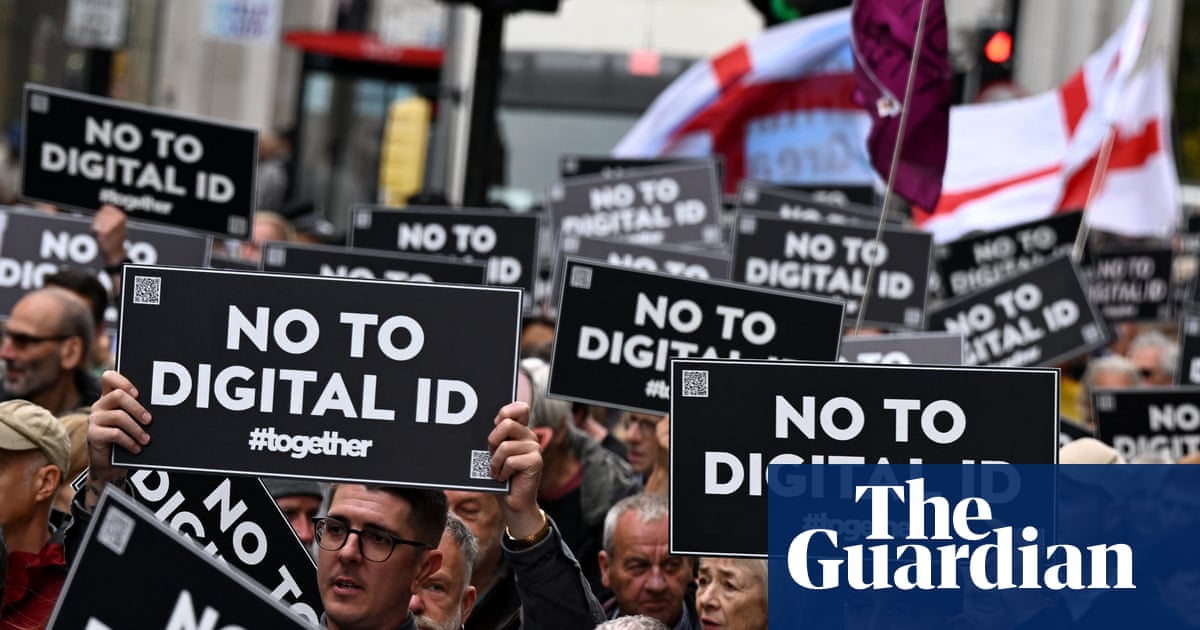
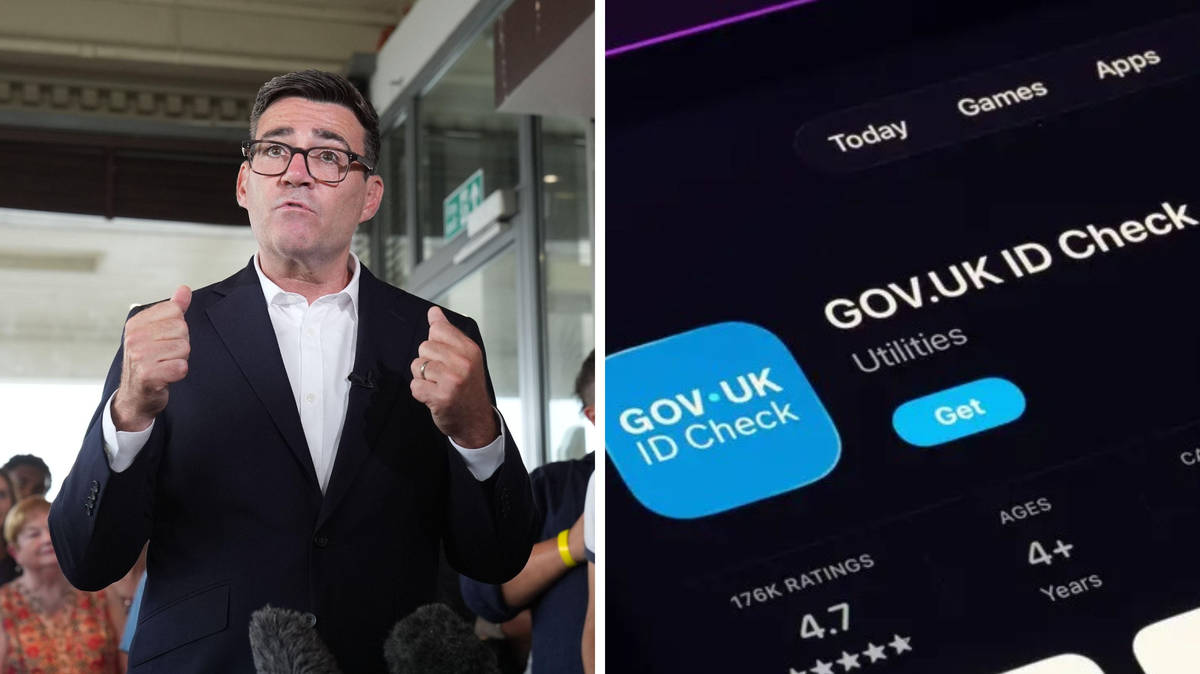

The original proposal, introduced by Sir Keir Starmer, was pitched as a tool to modernize the state and combat illegal working by mandating digital identification for employees. Although the government later downgraded the scheme from mandatory to voluntary following significant public and political pushback—including a parliamentary petition that drew 3 million signatures—the incoming government has opted to abandon the project in its entirety.
Financial and Political Context
The financial impact of the cancellation remains subject to debate. While the Office for Budget Responsibility estimated last November that the programme would cost £1.8 billion over three years, Downing Street at the time disputed this figure. Because the previous government did not publish its own official cost estimate, the exact sum being redirected to cost-of-living support remains unclear.
Deputy Labour leader Lucy Powell, appearing on Sunday with Laura Kuenssberg, maintained that the savings are not an insignificant amount
and emphasized that the move is as much about shifting the focus of government machinery as it is about fiscal reallocation. She described the pivot not as a change in the government’s underlying goals, but as a change of emphasis
.
Political reaction has been sharp, with opposition figures questioning the timing and necessity of the announcement:
- Conservative Perspective: Shadow technology secretary Julia Lopez accused the incoming prime minister of political theater, stating,
Andy Burnham now needs to explain whether that was untrue, or whether he is simply claiming credit for a decision that had already been taken
. Conservative leader Kemi Badenoch further criticized the move asairy fairy
, arguing the administration lacks a clear understanding of national priorities. - Liberal Democrat Perspective: The party, which campaigned against the scheme, claimed the cancellation as a success. Spokesperson Lisa Smart noted that the public would be
hugely relieved to know they are no longer set to be forced to hand over their data
. - Civil Liberties Groups: Big Brother Watch welcomed the decision, though spokesperson Jack Coulson cautioned that the government must remain under scrutiny, noting that similar concerns persist regarding potential digital identity requirements in social media regulation.
What to Watch Next
As the administration prepares for its first week, several developments are expected to shape the political landscape:
| Event | Significance |
|---|---|
| Formal Assumption of Office | Burnham meets King Charles III to formally take the premiership. |
| Inaugural Speech | Expected to detail the "reset" of the cost-of-living agenda. |
| North Sea Policy Update | Anticipated announcements regarding oil and gas licensing. |
The decision to scrap the digital ID scheme is the first major policy break confirmed by the incoming leader, but it is not the only area of structural change. Reports indicate that Burnham is also examining plans to abolish the Department for Science, Innovation and Technology, potentially absorbing its functions into a larger business department. Meanwhile, the administration is expected to maintain mandatory right-to-work checks for employers, though these will continue to operate through existing digital verification systems rather than the cancelled national ID infrastructure.
Archypedia is dedicated to independent, evidence-backed reporting. This briefing was synthesized from primary source reporting, corroborated across independent newsrooms, and verified against our Editorial Standards.
Transparency record
Evidence behind this report
This report synthesizes 7 distinct sources. Open the source ledger below to compare the underlying coverage.
Prepared under the Archypedia Editorial Policy by the Mara Ionescu editorial desk profile. AI-assisted tools may support drafting and verification; public accountability remains with Archypedia. Report an error.