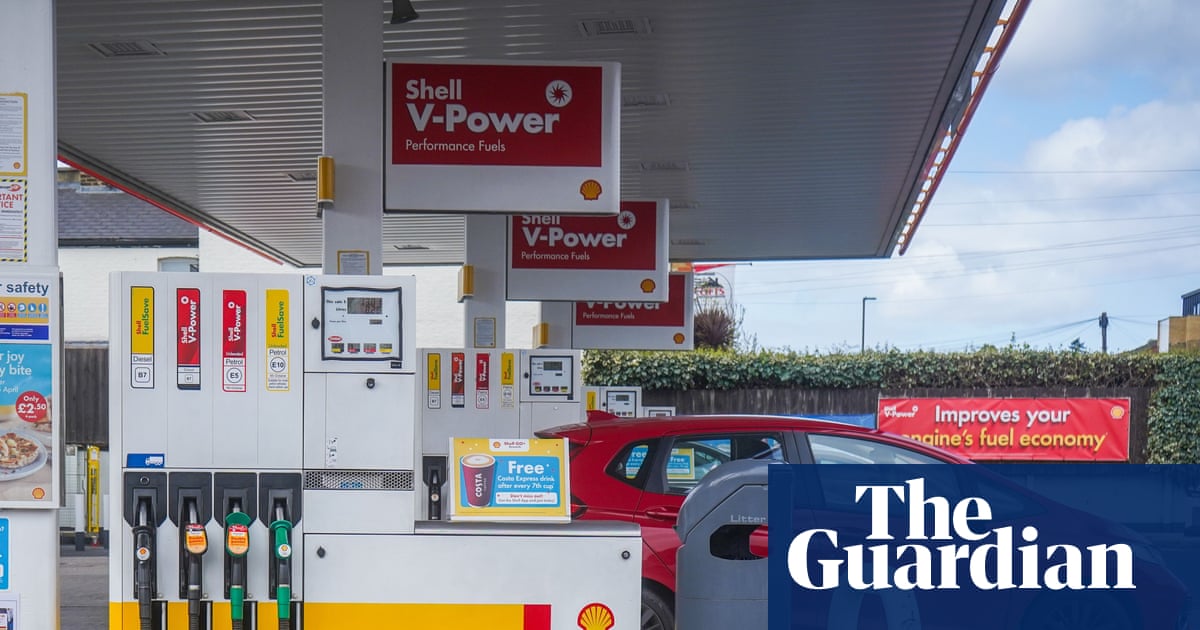
Burnham to prepare plans for new North Sea oil and gas drilling
Incoming Prime Minister Andy Burnham is preparing to signal a preference for domestic energy production while exploring options to bring Thames Water under public control.
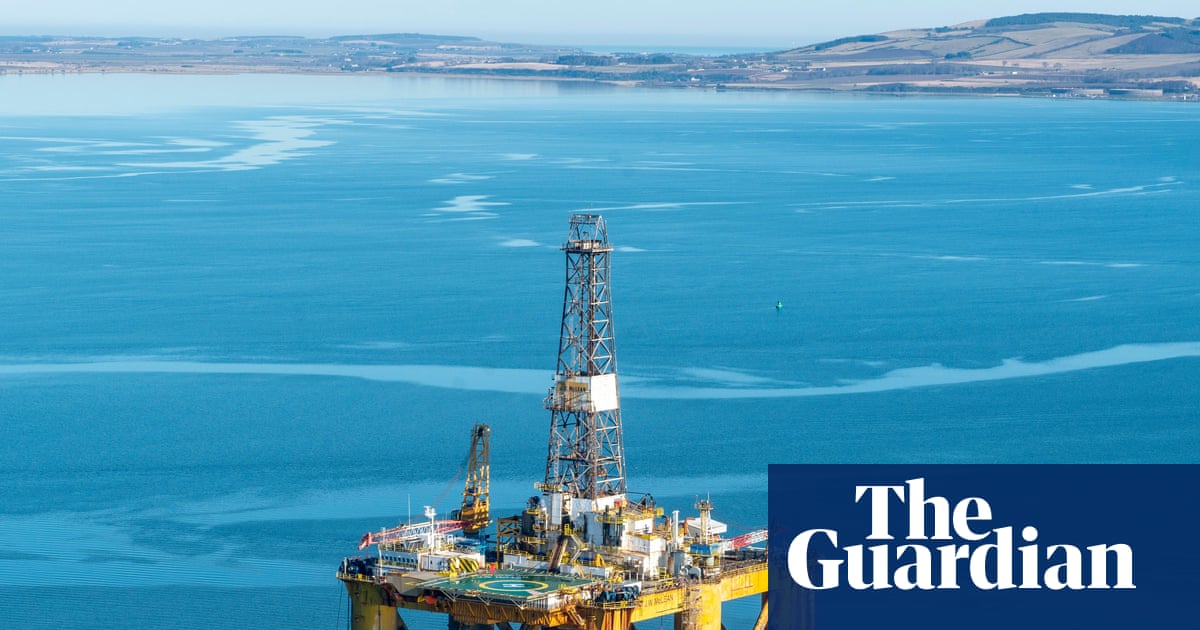
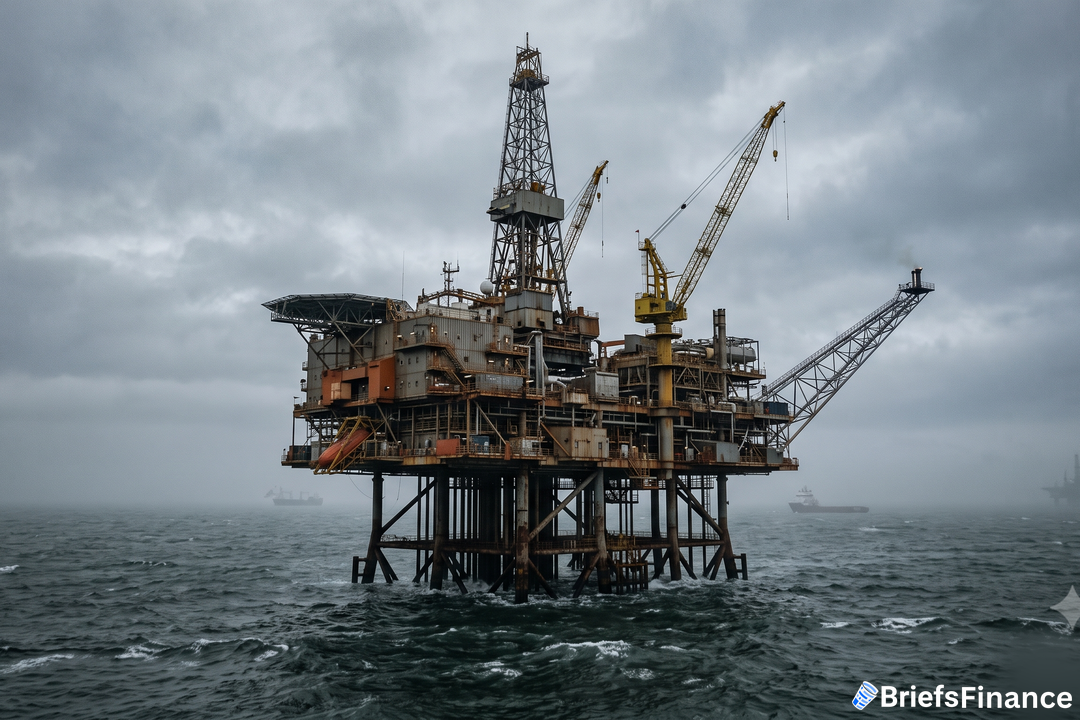
Incoming Prime Minister Andy Burnham is preparing a series of swift policy shifts as he assumes office on Monday. Among the most significant actions planned for his first days in power is a move toward expanding domestic energy production through new oil and gas drilling in the North Sea. According to reports from Energyconnects, Financialpost, and Energy Pedia, government officials are drafting plans to signal a preference for increased drilling, a departure from the stance held by the outgoing administration.
The proposed strategy involves potentially approving development at the Jackdaw gas and Rosebank oil fields. While these projects previously faced legal setbacks after their initial approvals were overturned, proponents within the industry argue that sanctioning them would align with Burnham’s stated reindustrialisation agenda. As noted by The Guardian, a coalition of industry groups, including Offshore Energies UK and the GMB trade union, recently urged the incoming leader to view the North Sea as an essential component of the nation's manufacturing and industrial strength rather than an environmental liability. Supporters of this approach, such as Steve Elliott of the Chemical Industries Association, contend that backing domestic production alongside renewables strengthens industrial competitiveness and protects jobs.
Related media

Energy Security and Political Friction
The policy shift is driven in part by global volatility, specifically the ongoing conflict involving Iran, which has prompted a broader reassessment of domestic energy reliance. Briefs reported that the conflict has intensified concerns over the nation’s dependence on foreign imports. However, the potential reversal faces resistance from environmental groups. Tessa Khan of the research organization Uplift described the move as a mistake
that would be out of step with the majority of voters
and cautioned against yielding to industry demands. Similarly, Green Party leader Zack Polanski argued that such drilling signals a retreat from climate commitments.
The ambiguity surrounding the final form of this announcement remains. Officials suggest that because the licenses for Rosebank and Jackdaw were originally granted under a previous Conservative government, proceeding with them would not technically violate the Labour Party’s 2024 manifesto pledge to halt new exploration licensing. Nevertheless, formal approvals are likely to be constrained by ongoing mandatory public consultations, a factor that previously limited the current Energy Secretary, Ed Miliband.
Public Control of Infrastructure
Beyond energy, Burnham has directed the civil service to develop plans for bringing Thames Water under public control. The utility, which serves 16 million customers in London and surrounding areas, faces an urgent financial deadline. Burnham is weighing options that range from temporary nationalization—placing the company into special administration—to mutualization, a model that would convert the utility into a not-for-profit cooperative owned by customers and workers. Chris Weston, the chief executive of Thames Water, stated he would respect the incoming prime minister’s decisions regarding public oversight. Major creditors, including Apollo Global Management, Elliott Management, and Silver Point Capital, are awaiting clarity on the transition process.
What to Watch Next
- Monday: Andy Burnham officially assumes the role of Prime Minister, succeeding Sir Keir Starmer.
- Cabinet Appointments: Observers are awaiting the announcement of the next Energy Secretary, as that official holds the authority to approve or reject individual project applications, such as the Jackdaw and Rosebank fields.
- Public Consultations: Any formal approval for North Sea projects remains dependent on the conclusion of ongoing mandatory public consultation processes.
- October: The deadline for a rescue plan regarding the financial solvency of Thames Water, a date which exerts significant pressure on the new administration's early policy decisions.
Archypedia is dedicated to independent, evidence-backed reporting. This briefing was synthesized from primary source reporting, corroborated across independent newsrooms, and verified against our Editorial Standards.
Transparency record
Evidence behind this report
This report synthesizes 8 distinct sources. Open the source ledger below to compare the underlying coverage.
- energyconnects.com
- yahoo.com
- financialpost.com
- theguardian.com
- energy-pedia.com
- briefs.co
- time.com
- apnews.com
Prepared under the Archypedia Editorial Policy by the Elena Voss editorial desk profile. AI-assisted tools may support drafting and verification; public accountability remains with Archypedia. Report an error.