Oil prices surge amid escalating US-Iran hostilities and supply threats
Global energy markets face renewed volatility as rising US-Iran military tensions threaten shipping lanes and supply chains. Brent crude reached $86.72.
Global energy markets face renewed volatility as hostilities between the United States and Iran escalate, sparking concerns over the security of critical shipping lanes and the stability of oil supplies. As of Friday, 17 July 2026, the intensifying military exchanges have significantly impacted benchmark pricing, with Brent crude and U.S. West Texas Intermediate futures experiencing sharp shifts throughout the week.
Recent reports indicate that Brent crude reached $86.72 a barrel, while U.S. West Texas Intermediate stood at $81.43. This movement follows a period of volatile trading where regional tensions, specifically revolving around the Strait of Hormuz, have disrupted transit through the vital chokepoint. The current situation marks a stark reversal from recent weeks, when markets had begun to retreat toward pre-war levels under a fragile ceasefire.
Related media
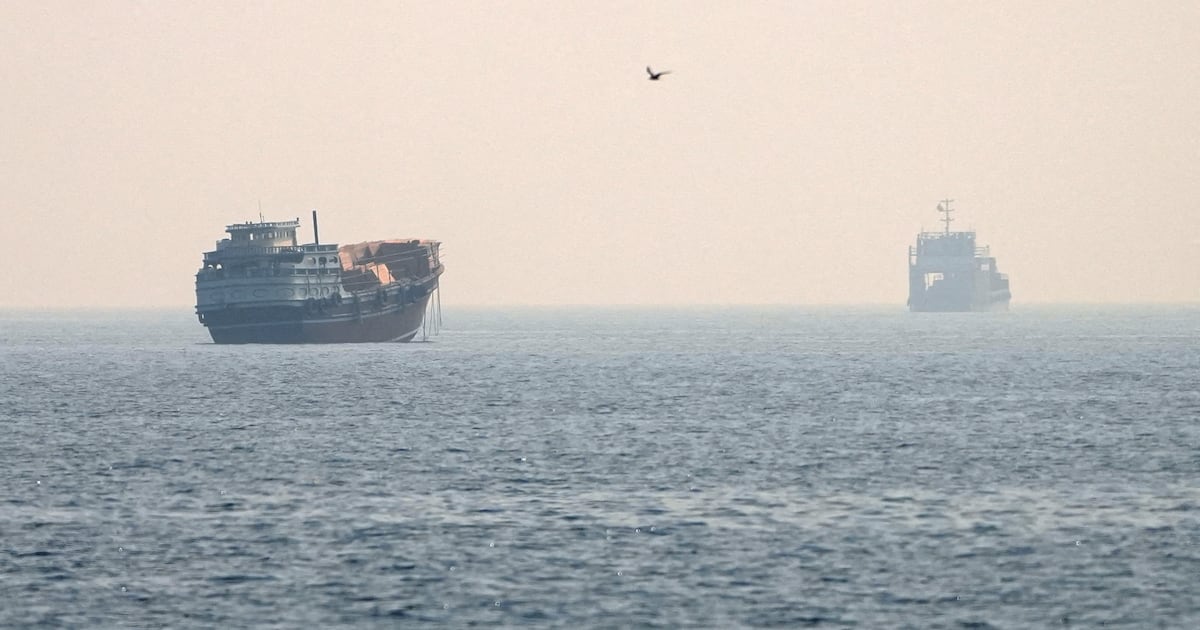

Escalation of Military Activity
The latest surge in tensions follows a series of strikes by both nations. U.S. Central Command announced a wave of operations aimed at degrading Iranian military capabilities, a move that prompted retaliation from Tehran. Iranian strikes have targeted various facilities across the region, including sites in Syria, Bahrain, and Kuwait. Notably, Kuwait’s electricity ministry reported that one of its power generation and water desalination stations was struck by an Iranian attack on Friday. Simultaneously, Qatar’s defence ministry successfully intercepted a missile attack, though shrapnel injured a child during the operation.
The conflict has expanded beyond the Gulf, with the Ukrainian military reporting a strike on a Russian oil refinery in the Yaroslavl region on Thursday. While separate from the U.S.-Iran hostilities, these developments contribute to a heightened sense of global energy insecurity.
Supply Constraints and Policy Shifts
A primary driver of the current market uncertainty is the revocation of a U.S. Sanctions waiver that had previously permitted the sale of Iranian oil. According to the U.S. Department of the Treasury, the authorization for these transactions ended at 12:01 a.m. EDT on 17 July 2026. This policy reversal means that Iranian crude currently in transit or at sea can no longer be legally traded under the previous terms, further tightening the global fuel market.
The impact is particularly visible in diesel refining margins, which reached record highs on Friday. Tamas Varga of PVM Oil Associates observed that with a significant portion of Saudi Arabia’s exports redirected to the port of Yanbu via the East-West Pipeline to mitigate risks associated with the strait, any further disruption to that route constitutes a major threat to global supply chains.
Regional and Global Outlook
The dispute over the Strait of Hormuz remains a central point of contention. While Iran has threatened to close the waterway to all commercial vessels in response to U.S. Military actions, U.S. Central Command maintains that Iran does not exert control over the area. Officials in Washington have pointed to the successful transit of hundreds of commercial vessels and millions of barrels of crude oil as evidence of continued access, though industry observers note that current traffic remains thin.
International concern remains elevated. Fatih Birol, Executive Director of the International Energy Agency, emphasized that energy security remains a critical issue during a Council on Foreign Relations event in Washington, stating, We should be worried, and I am worried, if the situation does not improve in the next few weeks.
Market Snapshot: July 17, 2026
- Brent Crude: $86.72 per barrel (up 2.96%)
- WTI Crude: $81.43 per barrel (up 3.14%)
- Status: Both benchmarks remain on track for significant weekly gains despite mid-week fluctuations.
- Key Risks: Potential closure of the Red Sea route, ongoing disruption in the Strait of Hormuz, and continued military tit-for-tat strikes.
Looking ahead, market analysts suggest that conditions are unlikely to normalize in the immediate future. As Saul Kavonic of MST Financial noted, if passage through the Strait of Hormuz remains restricted or if hostilities persist, global energy flows could face prolonged instability.
Archypedia is dedicated to independent, evidence-backed reporting. This briefing was synthesized from primary source reporting, corroborated across independent newsrooms, and verified against our Editorial Standards.
Transparency record
Evidence behind this report
This report synthesizes 4 distinct sources. Open the source ledger below to compare the underlying coverage.
Prepared under the Archypedia Editorial Policy by the Elena Voss editorial desk profile. AI-assisted tools may support drafting and verification; public accountability remains with Archypedia. Report an error.